
CIS2026 FRIDAY: Featured speaker at sustainability conference turns waste into opportunity
“And I think a lot of us, across island communities, are standing in that same proverbial space, surrounded by opportunity, but calling it waste.”
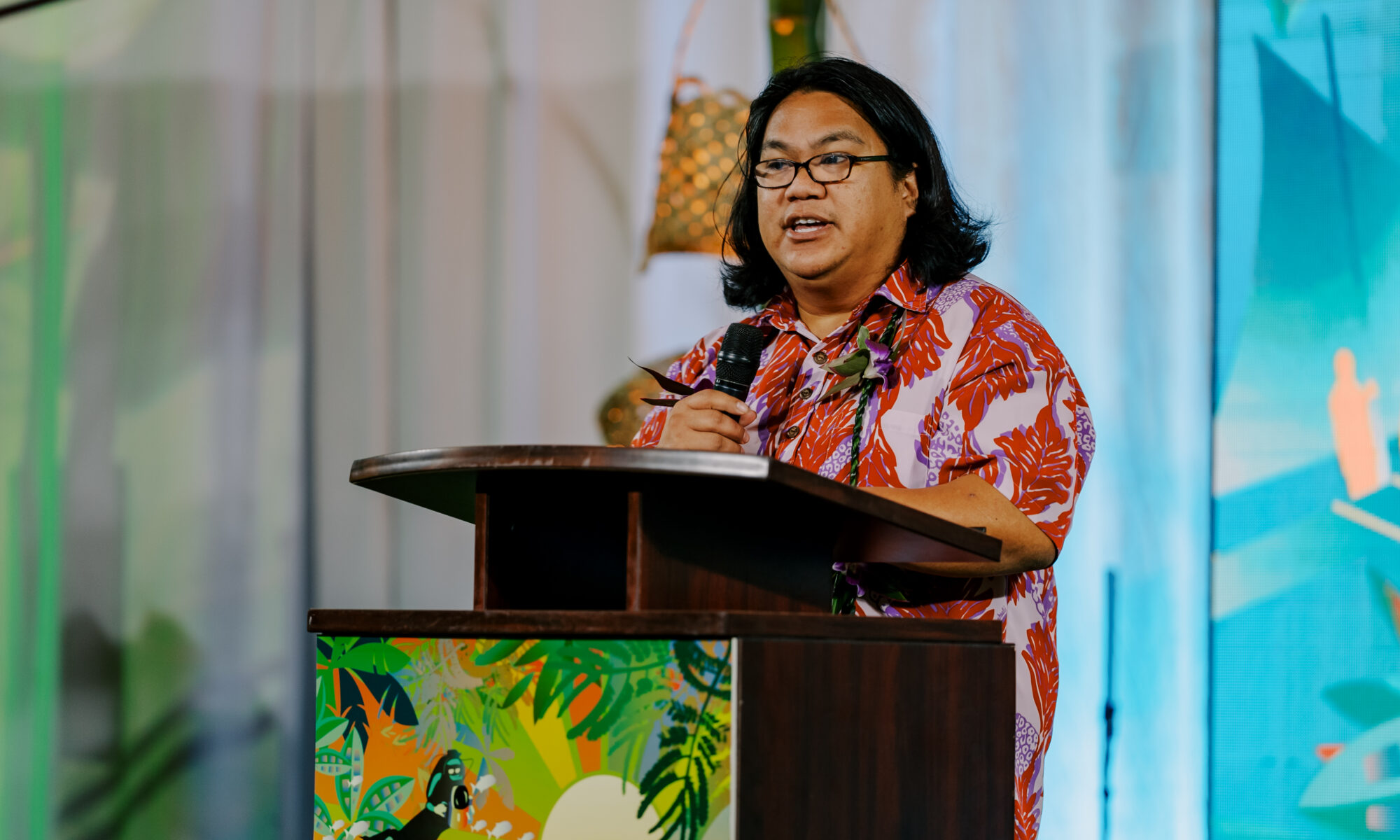
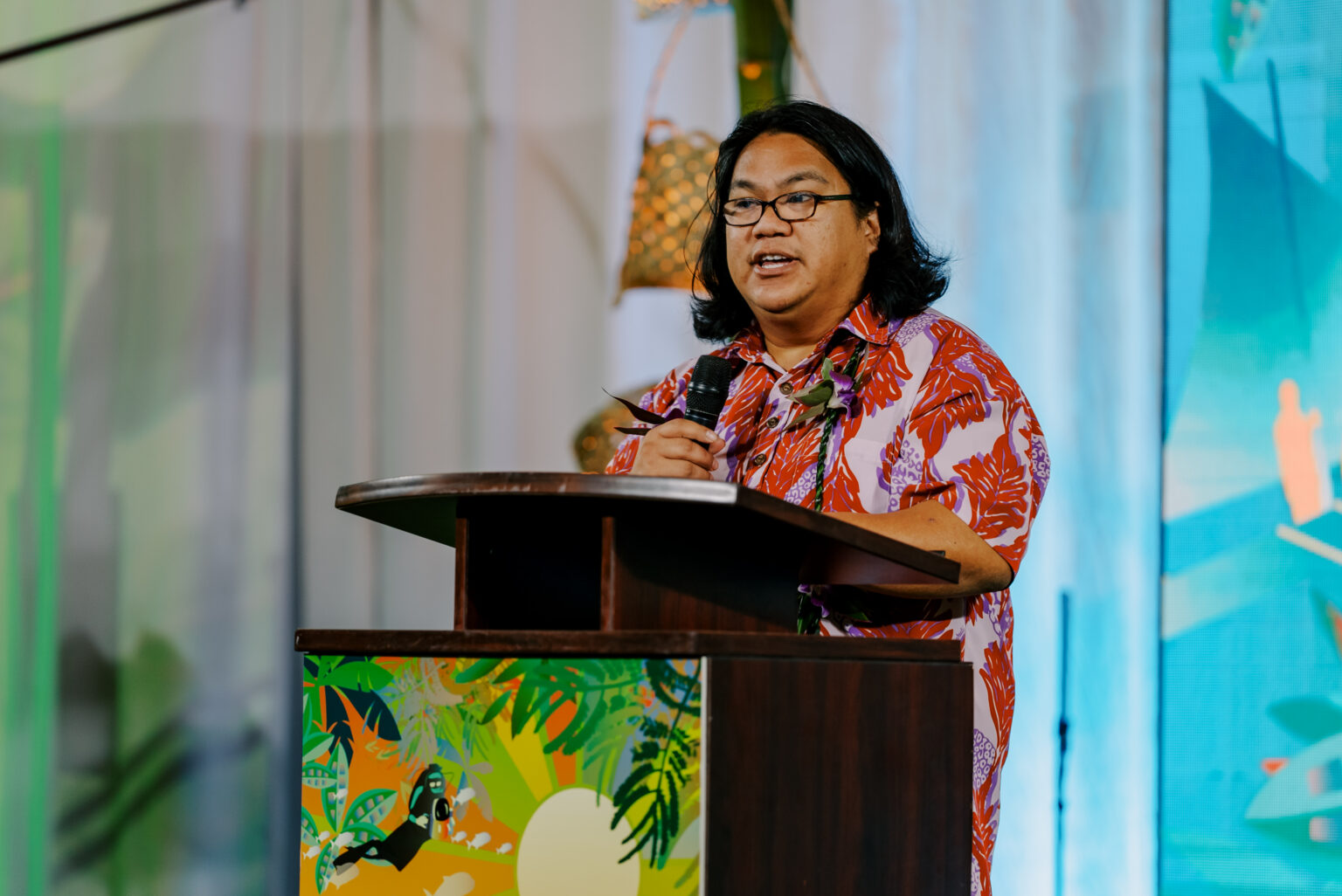
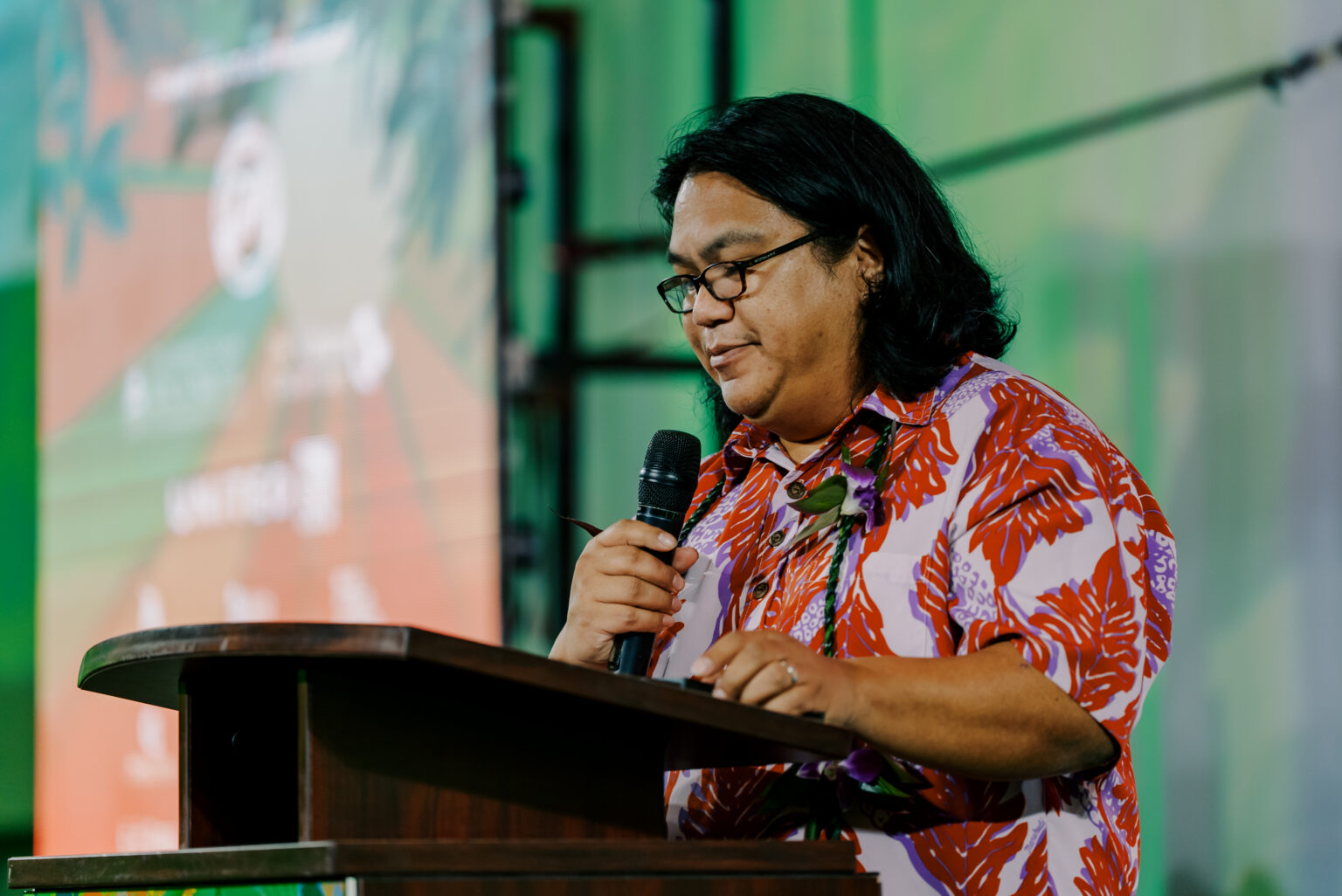
That reflection from William Castillo anchored his presentation at the 17th UOG Conference on Island Sustainability, where he was featured as a speaker sharing perspectives on value-added agriculture and economic resilience for island communities. Castillo is an associate professor and director of workforce development at Leeward Community College, where he leads initiatives that link education, workforce training, and entrepreneurship.
He shared a personal account of returning to Guam after Super Typhoon Sinlaku, arriving to find his family’s yard—like many across the island—covered in debris. Instead of beginning cleanup right away, his family waited for him to arrive. “Apparently, the recovery plan for us was let’s not touch anything outside until Will gets home,” he said.
What began as a familiar post-storm cleanup turned into a broader reflection on how value is perceived in everyday life and in island economies.
Castillo challenged conventional thinking around agriculture and resilience, raising a central question for island communities: “How do we diversify our economy? How do we reduce our reliance on tourism, and build something more resilient?”
He noted that while these concerns feel urgent, they are not new. Historically, Pacific islands like Guam and Hawai‘i sustained themselves through strong local food systems.“In other words, we already know how to do this. But somewhere along the way, we lost it.”
Today, one of the biggest challenges remains the gap between production and market access.
“A significant portion of what commercial farmers grow, some estimates say as much as 60%, never gets to the market… Not because it isn’t good, or it doesn’t taste good, or there’s no value. It’s because it isn’t the picture-perfect, grade-A produce that distributors or markets want.”
Rather than accepting loss as inevitable, Castillo emphasized value-added agriculture as a solution—turning surplus and imperfect crops into new economic opportunities. “A system where we can take off-grade produce, instead of turning it into waste, it’s a starting point for a new product. A new business. A new revenue stream for farmers.”
He illustrated this shift with a simple example,“Take that mountain apple… Same fruit. Vastly different story. Completely different value.”
At the center of this approach is the Wahiawā Value-Added Product Development Center in Hawai‘i, which supports farmers and entrepreneurs in developing, producing, and scaling food products. Through technical training, equipment access, and mentorship, the center helps bridge ideas to market-ready businesses.
“We’ve built the center to lower the barriers to entry and have creativity take over and opportunity thrive.”
Castillo also emphasized that innovation must be paired with solutions to structural challenges, particularly geographic isolation and export limitations.
“When we’re so far from our end customers, everything we sell has to cross the ocean… And crossing the ocean takes time. Time costs money.”
To address this, his team has supported technologies such as High Pressure Processing (HPP), which significantly extends product shelf life without compromising quality. “Shelf life doesn’t just preserve the product, it unlocks the market.”
With longer shelf life, island-produced goods can access regional and global markets, expanding opportunity beyond local boundaries. “Because opportunity shouldn’t stop at the shoreline.”
For Castillo, sustainability is not only environmental—it is also economic and social, rooted in systems that strengthen communities.“Because sustainability for us isn’t just environmental. It’s economic. It’s about building systems that allow families and communities to thrive.”
He closed by returning to the idea that shaped his opening reflection, tying together personal experience and broader systems change: “And so maybe the question isn’t just how we clean up after the storm. But it’s what we choose to do with what’s left behind… Because opportunity doesn’t always arrive as a great product. Sometimes it shows up scattered across the ground, looking like waste. And it’s up to us to decide whether we’re going to throw it away or turn it into something.”