

CIS Monday: Powering through the storm: Energy resilience at GPA’s P.O.W.E.R.ING symposium
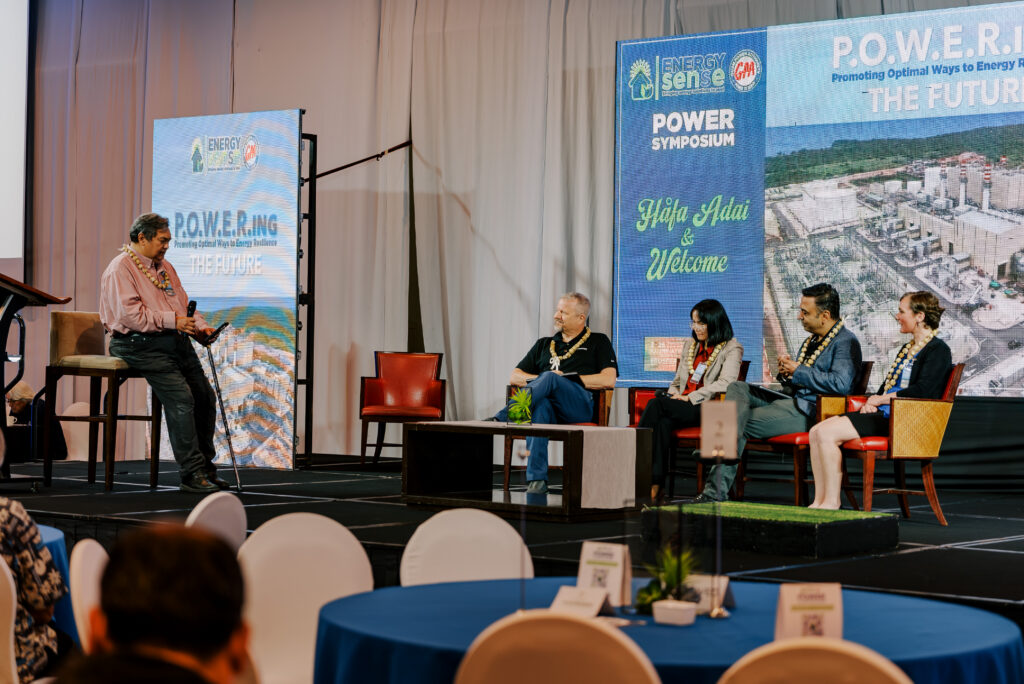
In the wake of Super Typhoon Sinlaku, the Guam Power Authority’s P.O.W.E.R.ING (Promoting Optimal Ways to Energy Resilience) Power Symposium at the 17th University of Guam Conference on Island Sustainability took on renewed urgency, bringing together energy leaders, policymakers, and technical experts to strengthen Guam’s path toward a more resilient grid.
“People talk about us (Guam) being the spear or the tip of the spear for national security, but we are also the tip of the spear for natural disasters….And we can only be that sharp if we have a strong community and a strong resiliency,” said Gov. Lou Leon Guerrero at the symposium, describing how energy resilience is central to Guam’s ability to withstand both geopolitical pressures and natural disasters.
Highlighting the island’s vulnerability, Leon Guerrero underscored the need for a strong, integrated approach that includes undergrounding power lines, expanding alternative energy sources, and exploring more stable fuel options such as liquefied natural gas. She pointed to lessons from recent storms like Typhoon Mawar and Sinlaku as evidence of the urgent need to strengthen infrastructure and ensure continuity of essential services.
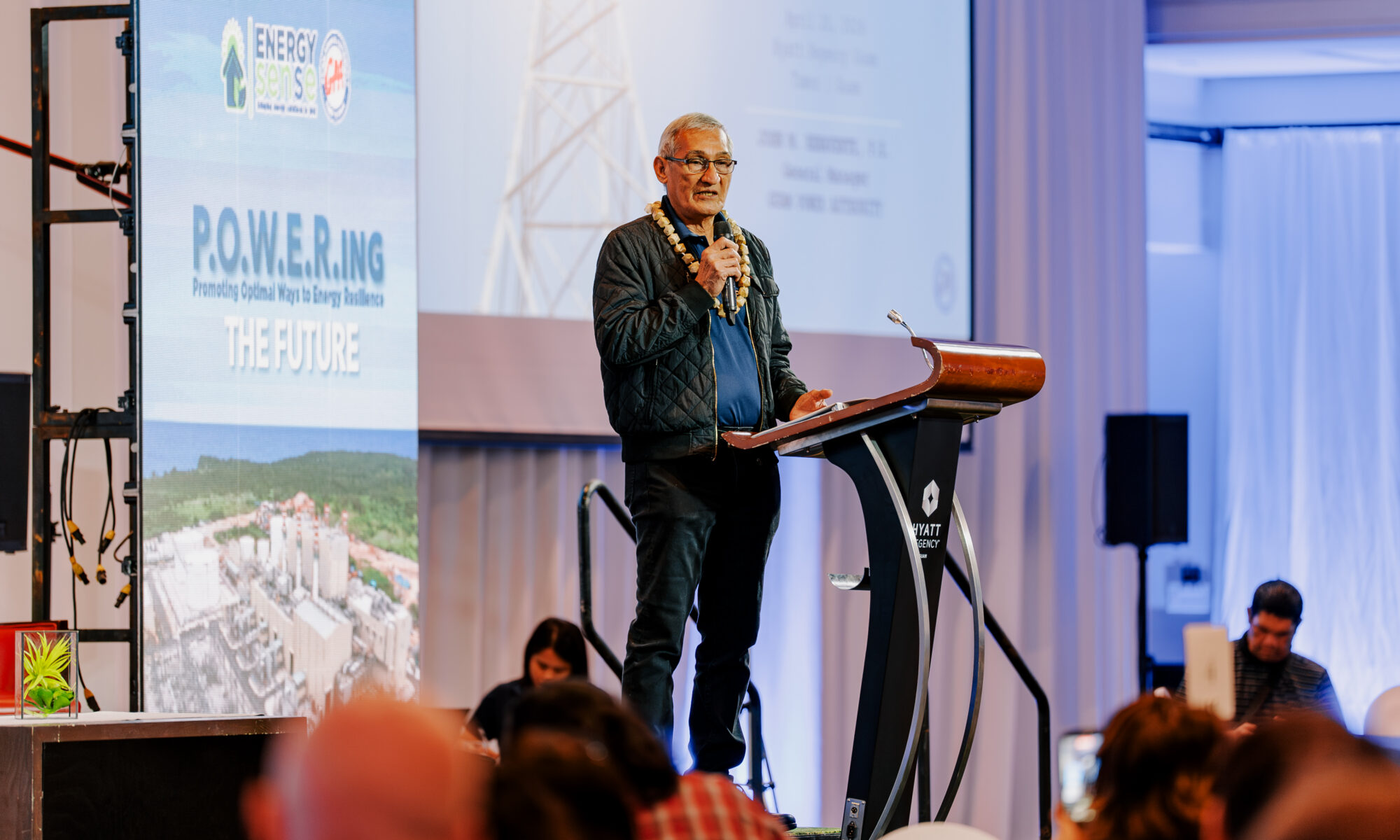
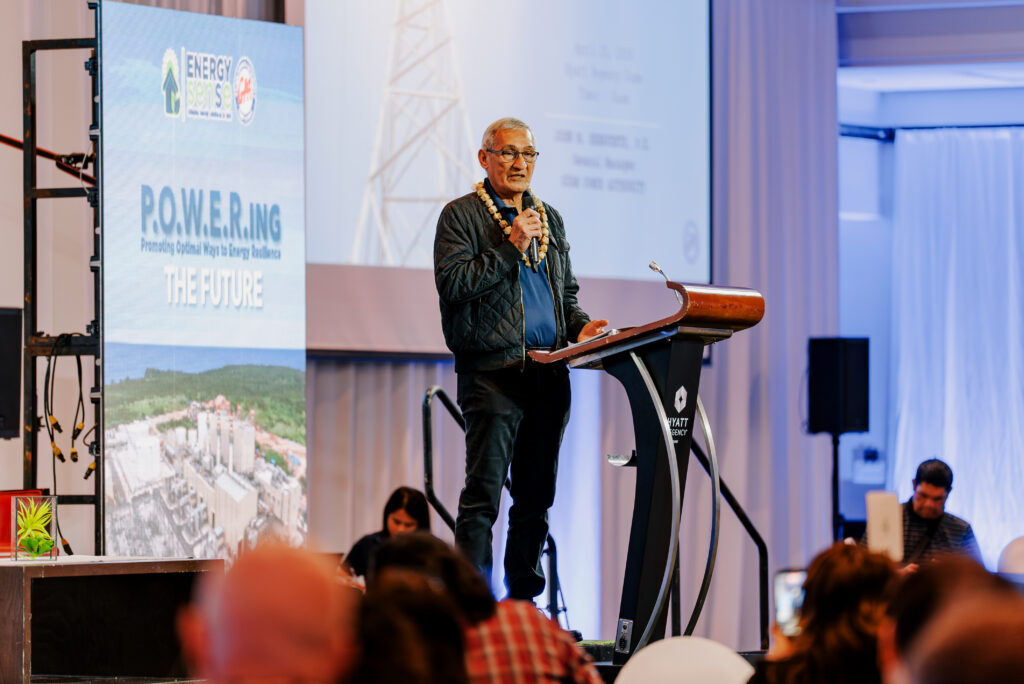
For John M. Benavente, P.E., GPA general manager, energy resilience is not a future goal but an active, ongoing effort, especially in the face of recurring typhoons and evolving threats. Echoing earlier themes from past symposiums, he emphasized that reliability, recovery, and modernization must continue even during disasters, with no “pause” in addressing the island’s energy challenges.
Benavente mentioned how restoration efforts after a typhoon prioritize critical infrastructure—such as hospitals, water systems, and communications—while long-term resilience depends on strengthening delivery systems through underground power lines, completing an island-wide transmission loop, and investing in modern facilities like the Ukudu Power Plant.
Connecting to broader discussions on grid and infrastructure transformation, he said that while Guam’s energy supply is improving, ensuring resilient delivery is key to faster recovery and long-term stability. Benavente said, “We are not just restoring power, we are strengthening Guam’s future, one connection at a time.”
At the start of the symposium, John J. Cruz, Jr., P.E., GPA assistant general manager of engineering and technical services described Guam’s energy sector as entering a critical phase of transformation.
“Since the 2008 Integrated Resource Plan and its subsequent updates, GPA has announced and stated a vision and roadmap for transformational change. Almost all of the recommendations made by the 2008 and subsequent IRPs have been launched and are in various states of completion.”
As the island transitions from fuel-based generation to a grid dominated by renewable energy and battery storage, Cruz emphasized the need for deeper scientific, engineering, and operational understanding, since this shift fundamentally changes how the grid functions.
He outlined five strategic priorities guiding this transition: improving affordability by reducing reliance on imported fuel; enhancing customer experience, with satisfaction significantly increasing over the past decade; accelerating grid transformation to reach 50% renewable energy before 2030; advancing digital systems to boost efficiency, among others.