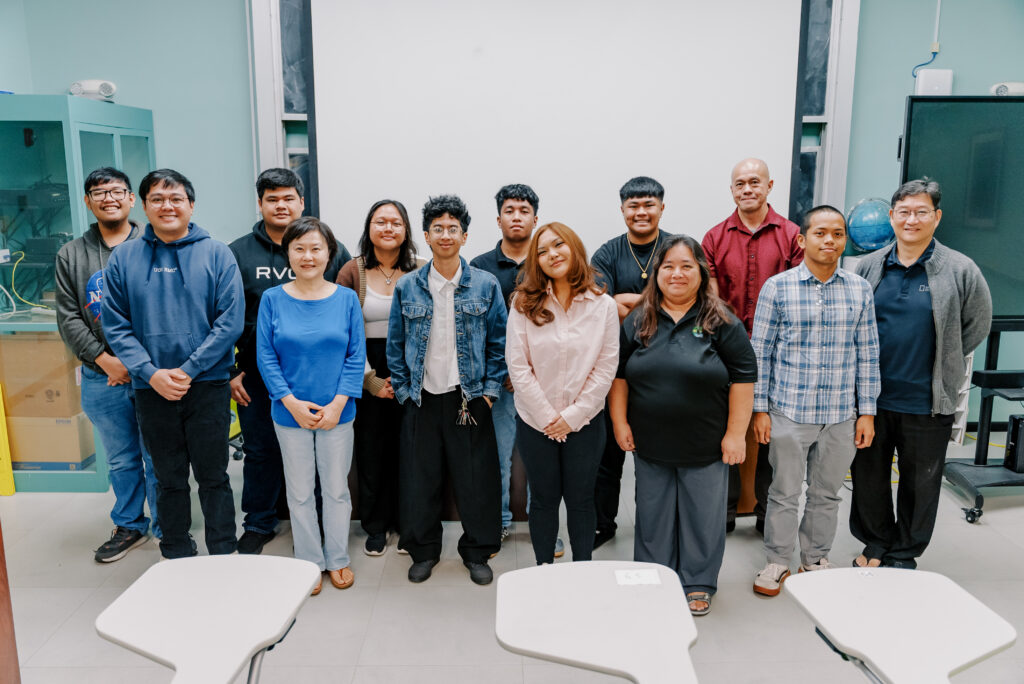
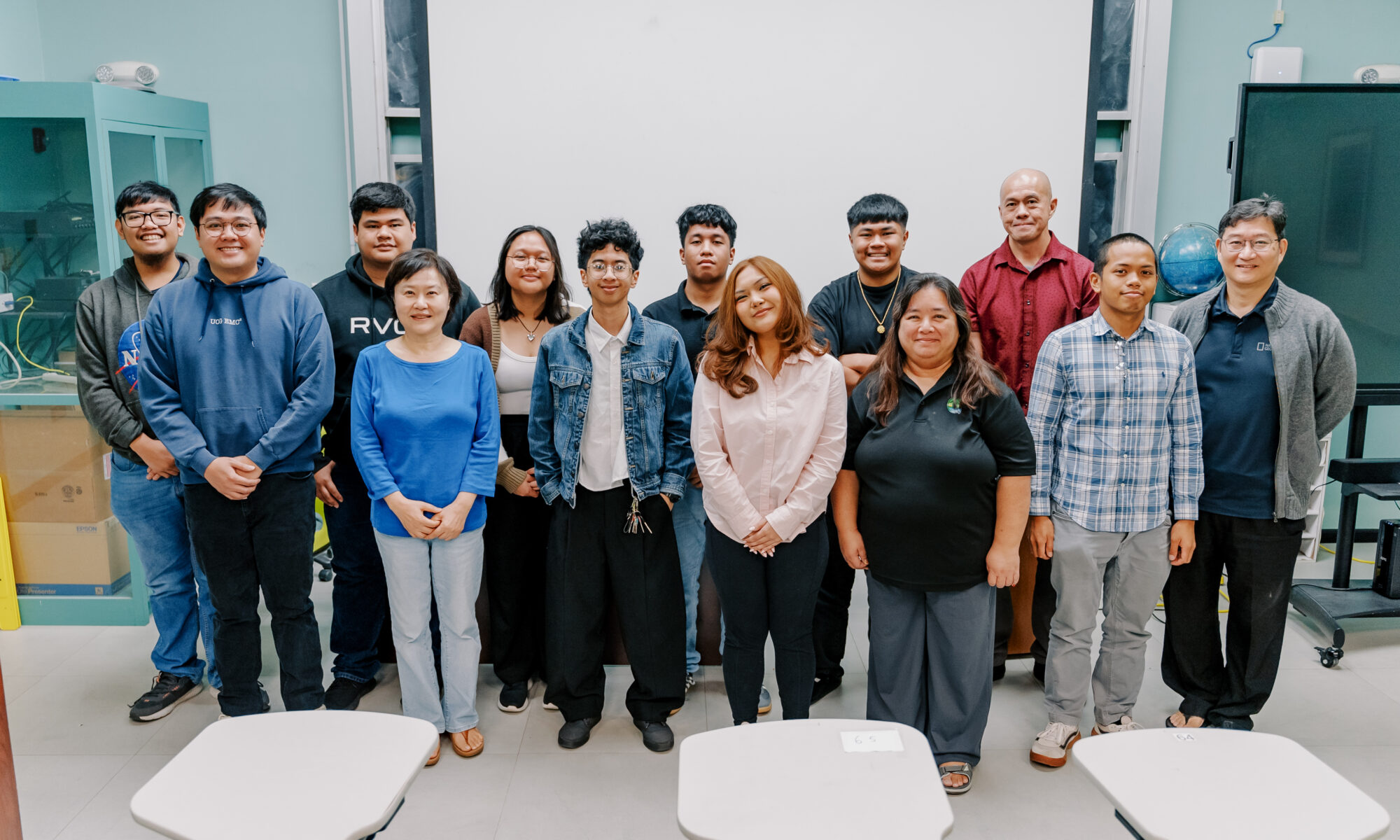
The University of Guam’s (UOG) NSF EPSCoR E-RISE program has started this year’s Summer Math Research Experience (SMRE) and for the first time, welcomed participants from Guam Community College (GCC).
The SMRE program allows undergraduates to experience advanced math research under the guidance of UOG faculty mentors. Aside from helping them improve their problem-solving and analytical skills, they gain hands-on experience by working on projects with real-world applications.
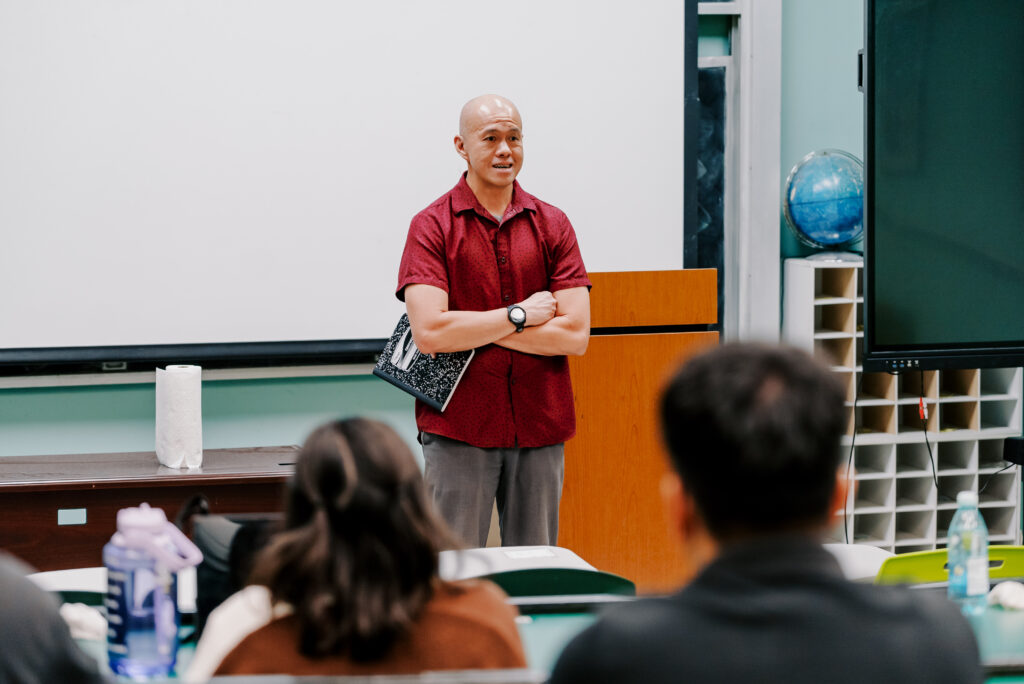
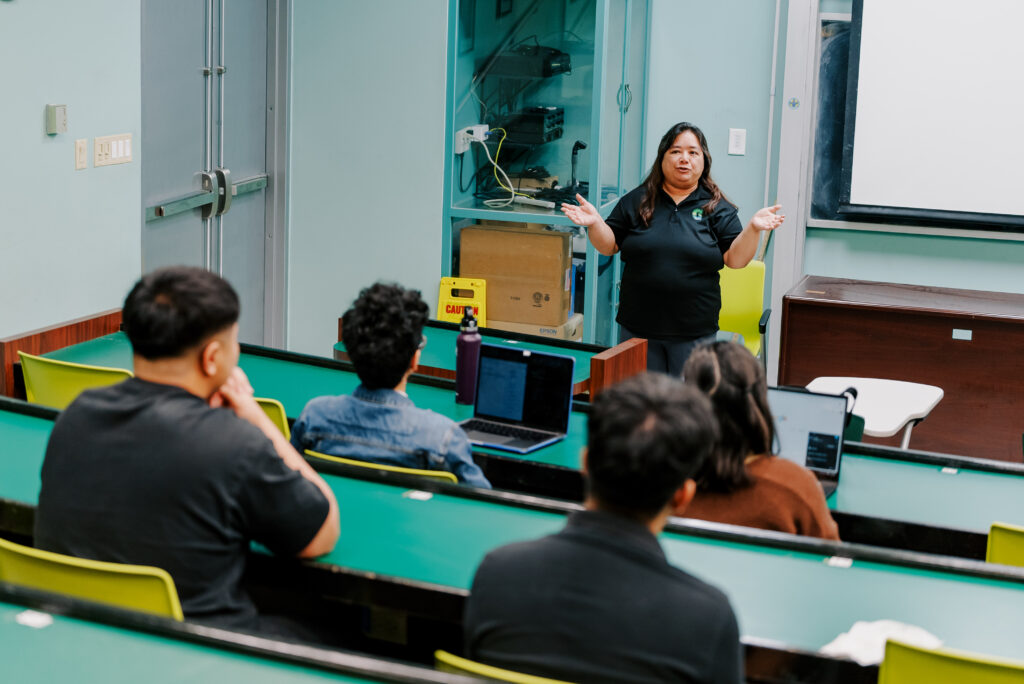
“We’re super excited because this is our first summer to have GCC participate in our summer math research program,” said Leslie Aquino, Ph.D., a mathematics professor at UOG and one of three faculty mentors for the Guam NSF EPSCoR SMRE program. Aquino said in total, seven students joined the SMRE program this year, including two from GCC.
The 2026 SMRE cohort includes:
-
-
- John Paul Labadan – UOG, Civil Engineering
- Patrick Sumbo — UOG, Civil Engineering
- Andre Bocatija – UOG, Computer Science and Mathematics minor
- Lance Asistores – GCC, Nursing
- Jay Redila – UOG, Civil Engineering
- Raelyn Babac – UOG, Secondary Education with emphasis in Mathematics
- Angel Samaniego — GCC, Liberal Studies and Human Services
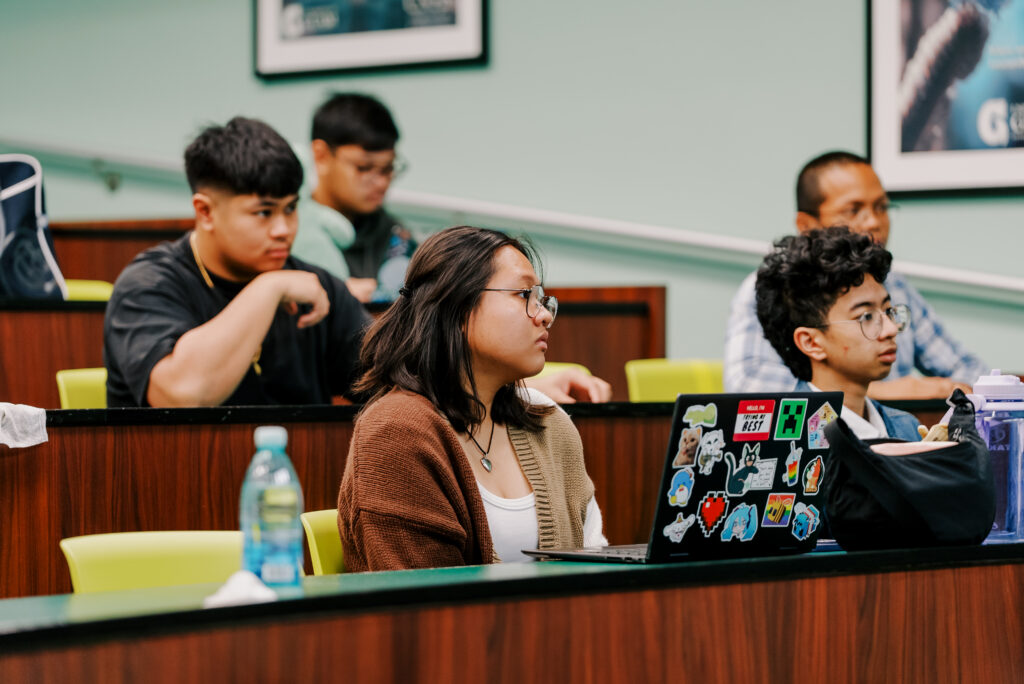
As part of the experience, participants conduct research through small-group collaboration. They work together on focused research questions, exploring diverse areas of mathematics, and its applications in a constructive learning environment.
For Samaniego, this is a good opportunity for GCC students such as herself to gain exposure to research. “I’d really love to pursue a doctorate after my undergraduate studies in clinical psychology. And I found that I really want to get as much research experience as possible in my undergraduate studies,” she said.
For Asistores, another GCC student, the SMRE program is a move in the right direction. “I am grateful for being accepted to this program and being accepted to be able to gain this experience. As a recent transfer student and as someone who recently started back at school, this would be a pretty big step forward for me.”
Meanwhile, UOG student Labadan said, “I’d really love to build my skills in programming, especially considering my background in geospatial data processing and historical coral specimens. I did that in my first year, and I really just hope this program will help me.”
The expansion of GCC participation reflects the growing collaboration between GCC and UOG through the 2+2 Transfer Programs, which allow students to complete their first two years at GCC before seamlessly transferring to UOG, to finish their bachelor’s degree as juniors.
Michael L. Chan, Ed.D., Dean of the School of Technology & Student Services and Co-Principal Investigator for Guam NSF EPSCoR E-RISE, said GCC’s participation in SMRE developed organically through efforts to strengthen these transfer pathways, beginning with Computer Science and expanding over time as students became increasingly involved in research opportunities.
As he describes it, “it evolved into this partnership where it was just one of those things where it just came around where, hey, our students are coming here to do the 2 plus 2 program, so why not get them involved in the research already?”
The program is not limited to computer science. Chan said it intentionally includes students who are still exploring academic and career interests. He said this makes the program a bridge experience that allows students to explore research exposure across disciplines before deciding on their long-term academic paths.