What is the value of communication and engagement between scientists and non-scientists working in the fields of Science, Technology, Engineering, and Mathematics (STEM) and the communities they serve?
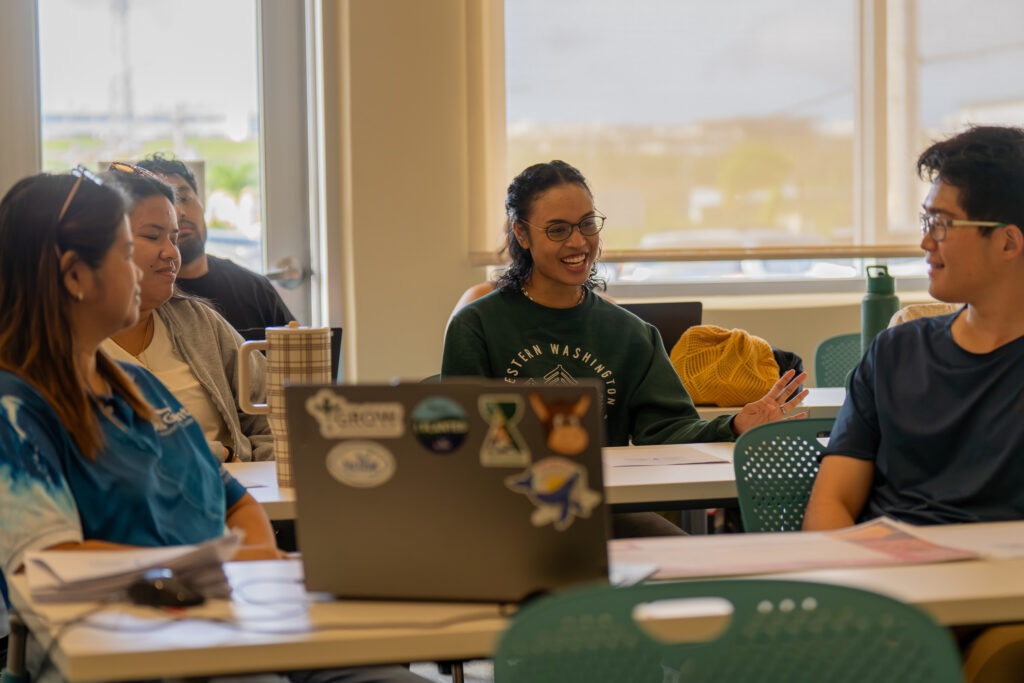
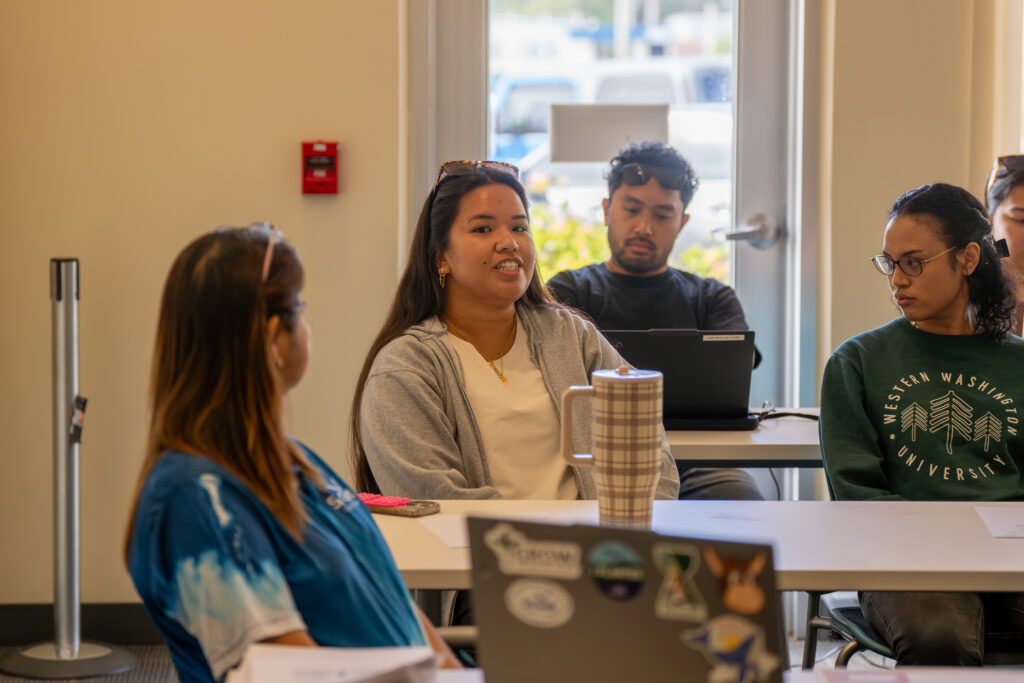
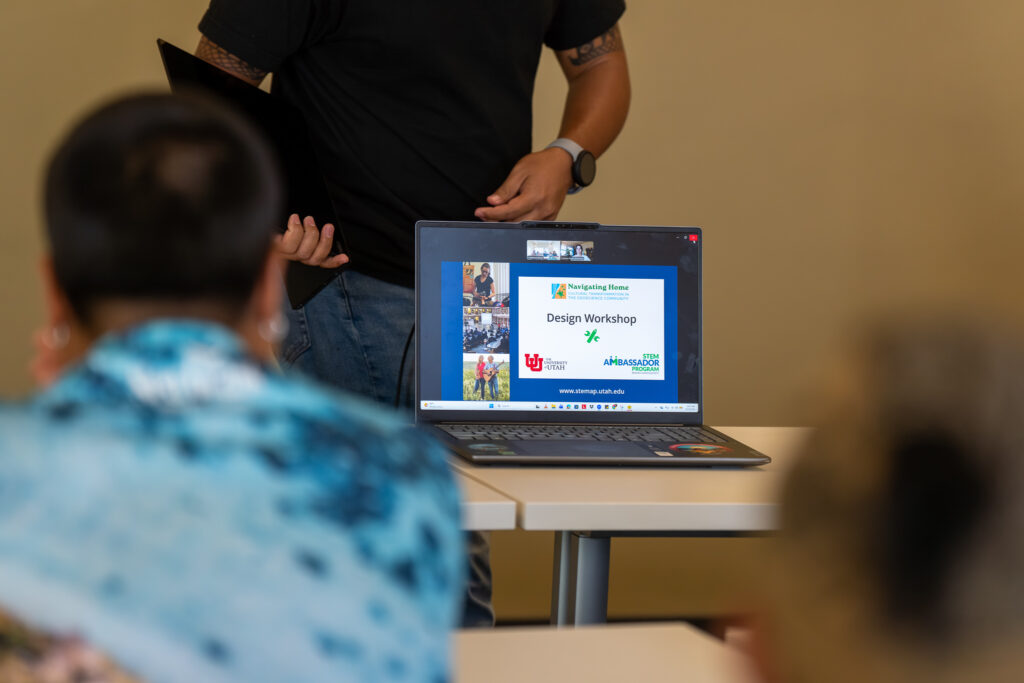
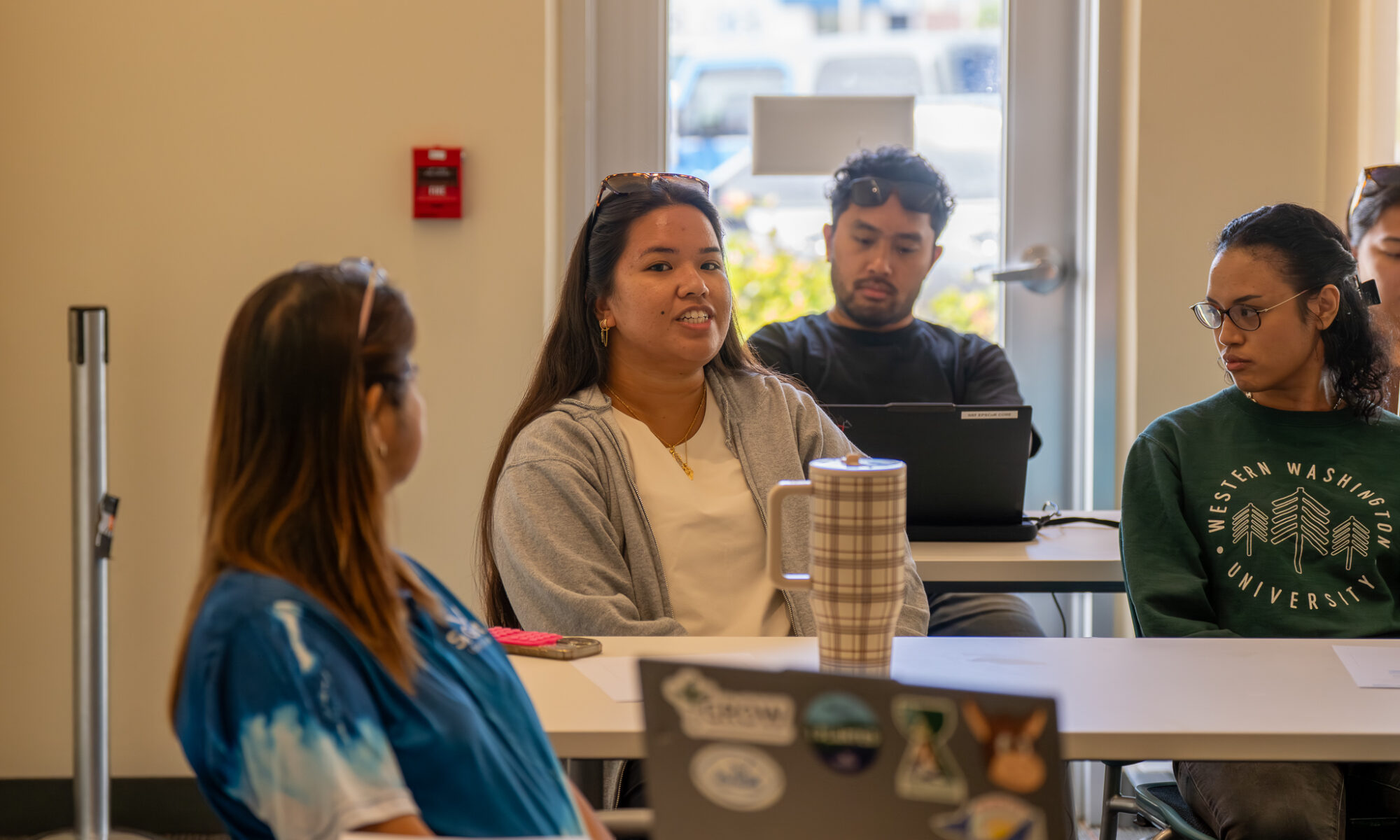
A group of participants from the Navigating Home program and partner organizations explored that question during the STEM Ambassador Program (STEMAP) Design and Engage Workshop held on July 23–24, organized by the University of Guam Center for Island Sustainability and Sea Grant.
Through the support of the University of Utah, STEMAP Manager Corinne Ryan facilitated the two-day workshop, introducing participants to the process of designing engagement activities that build trust, encourage dialogue, and foster stronger connections between STEM professionals and the communities they serve. Participants explored techniques for developing engagement objectives, crafting compelling narratives, and creating projects tailored to the interests and values of specific audiences.
According to Ryan, successful science engagement goes beyond simply sharing information. Participants were encouraged to tell stories with clear settings, characters, and meaningful takeaways while designing activities that invite collaboration and mutual learning.
As part of the workshop, participants developed community engagement proposals addressing local issues. Taya Hawley, who participated with colleagues from the UOG’s Island Conservation Lab, said her team plans to build on a previous reforestation partnership with Astumbo Middle School by creating a two-day workshop that introduces students to native and invasive plant species, incorporates traditional ecological knowledge, and culminates in planting a tree on campus.
Meanwhile, Navigating Home Fellows Mercy Gilniy and Enqi Yang proposed an activity highlighting Guam’s marine life through guided beach experiences designed to inspire youth and older adults to appreciate the island’s coastal ecosystems.
“Our engagement project is really to showcase some of the beautiful Guam marine life, like different kinds of fish and crabs, and just to showcase their colors and how they swim. We want to tailor this towards younger people who don’t usually spend enough time outdoors going to the beach.”
Gilniy said one of the workshop’s biggest takeaways was learning how to communicate scientific concepts in language that is accessible to people without STEM backgrounds. “The people that we interact with the most are not experts in the things that we’re introducing…It’s really important that we learn how to communicate these types of terminology to them in a way that they can understand.”
Participants will continue refining their engagement proposals through one-on-one mentoring with STEMAP staff before implementing their community projects later this year.