

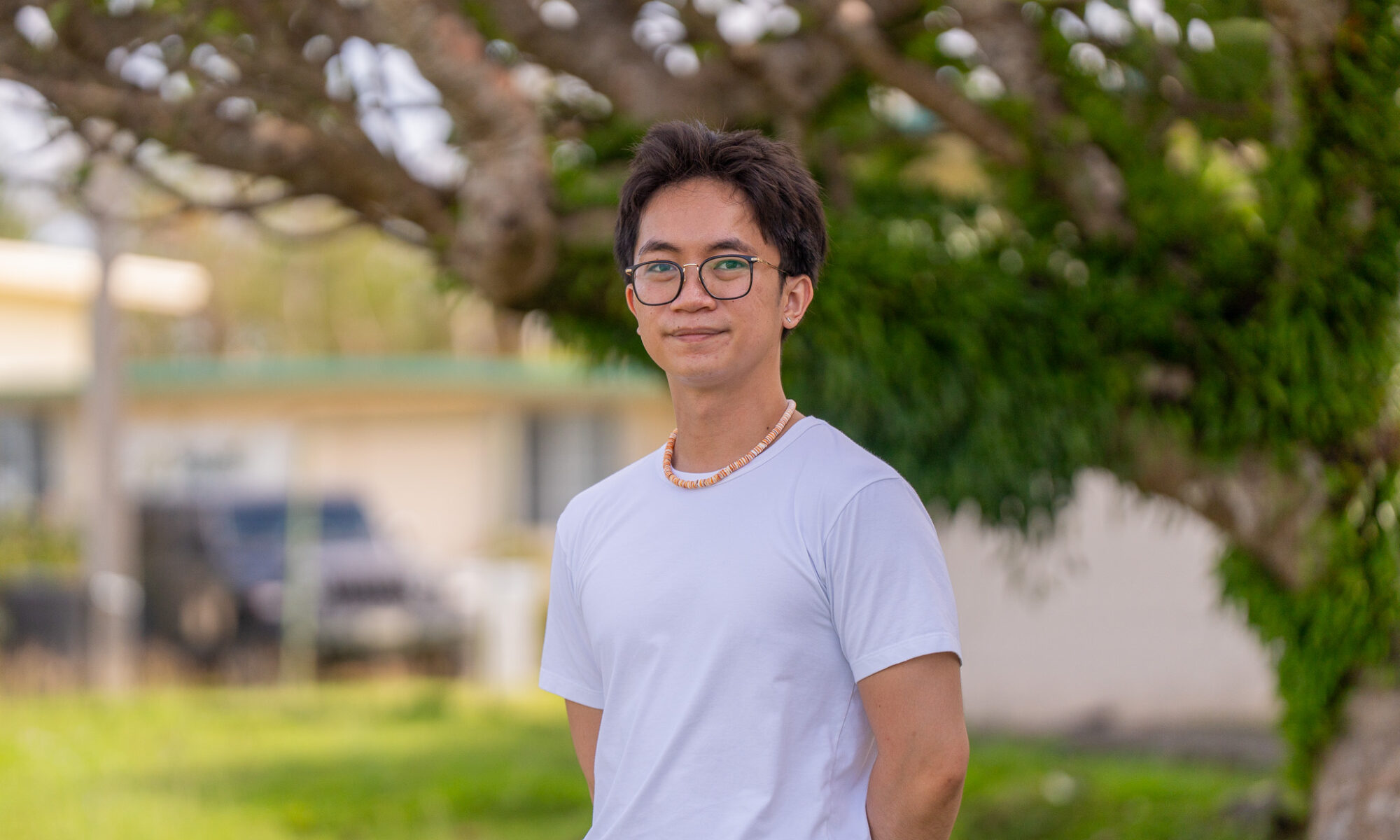
NavHome fellow is returning to SACNAS with a research question on genetics and khat
Navigating Fellow Nico Valencia will present the research poster, “GWAS for Khat Use and Khat Use Frequency in Eastern Africans Identifies Genetic Risk Loci and Psychiatric Links,” at this year’s Society for Advancement of Chicanos/Hispanics & Native Americans in Science (SACNAS) National Diversity in STEM Conference (NDiSTEM).
For Nico Valencia, this year’s SACNAS conference is a return trip. His first was in 2023 in Portland, Oregon, where he presented research from an earlier grant-funded program. His topic then was childhood nutrition. “I presented on the protective effects of breastfeeding in children for obesity. In short, the more a child is breastfed, the lower their likelihood of obesity later in childhood.”
Now a Navigating Fellow, Valencia is bringing a very different project to the conference. His work continues his team research at the Broad Institute of Harvard and MIT and focuses on the genetics of khat use in Eastern African populations.
Khat is a leaf chewed in parts of Eastern Africa and the Arabian Peninsula. Valencia compares it to pugua, the betel nut familiar in Guam and the Pacific. “It’s like a stimulant, gives a bit of a buzz.” He likens its effects to coffee.
According to Valencia, the research team ran a genome-wide association study (GWAS) on khat use and khat use frequency. The results so far point to something broader than a single “khat gene.” Rather than genes tied directly to such a complex behavior, he said the team is seeing links to physical health conditions. In his words, “we’re finding genes that lead to cardiometabolic disorders, like heart disease.” The team also found increased risk for goiters, an association consistent with a previously established risk linked to chewing khat. “So we’re understanding the genetic architecture of the trade, not just the sole disease specifically.”
He said representation in genomics matters. While analyzing human genomes is routine, Valencia explains that the data are lopsided. “About 98% of all genomes analyzed are on people of European descent.”
Genetic variations make each person unique, and those variations can matter for health. Studying underrepresented populations helps fill in that picture, according to Valencia. The project also targets a hard scientific problem, he added. “No one really understands psychiatric disorders that well.” He said these conditions are complex and often occur together, which makes their genetic roots difficult to untangle.
Presenting round two
Does the second SACNAS feel easier? Valencia says the conference’s welcoming atmosphere helps. “People there are really nice at SACNAS, so I’m not too stressed.”
Still, he’s preparing. “I want to present my science to make sure it’s understandable and approachable to everyone.” That means refining how he explains a complex genetics project to a broad audience.
If you’re attending SACNAS, stop by Nico Valencia’s poster to hear more about this work.