Local famålao’an filmmakers set to launch Film Fiesta at Guam Museum

animation of young woman sitting on small outrigger boat under starry night sky.

Local famålao’an filmmakers set to launch Film Fiesta at Guam Museum

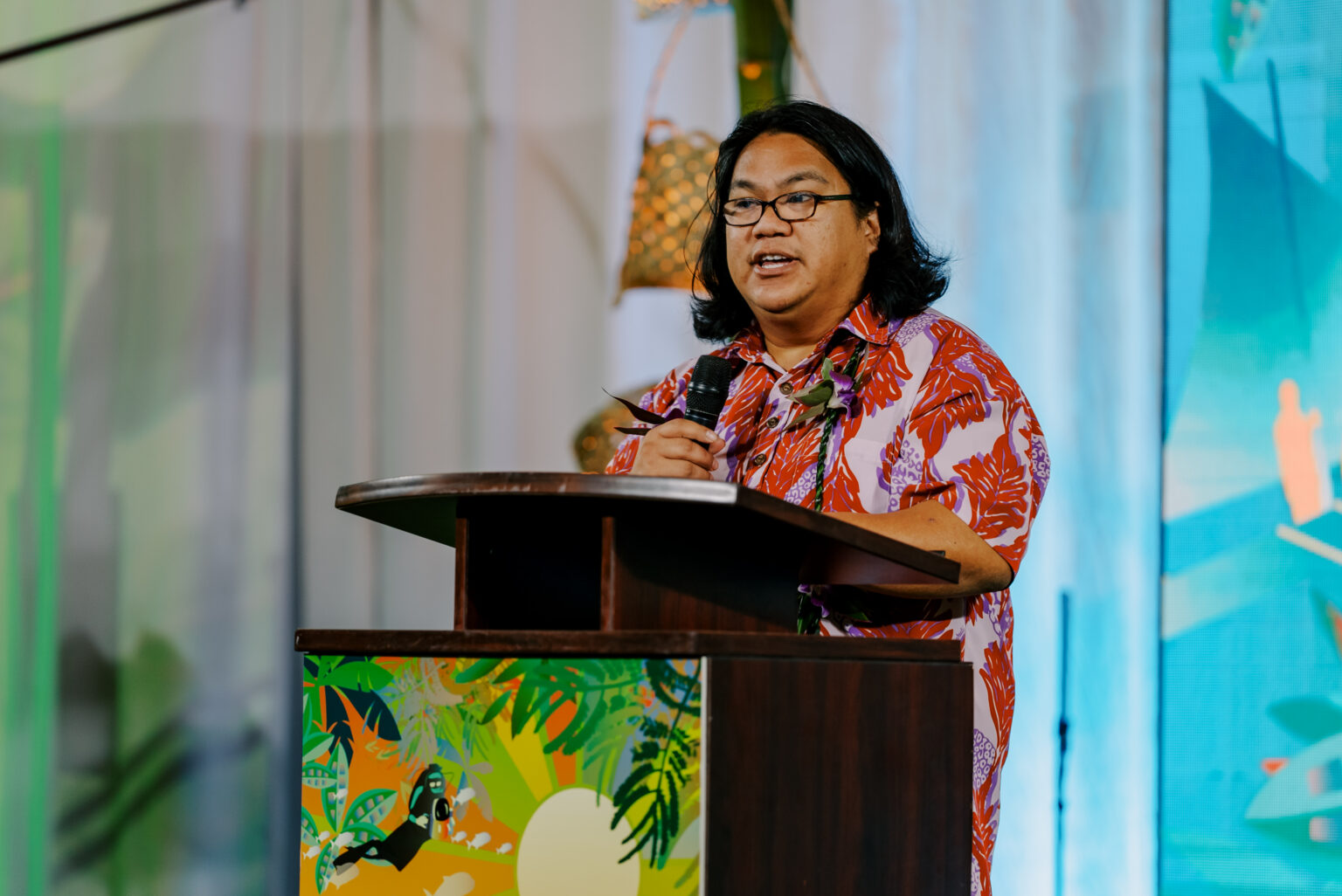
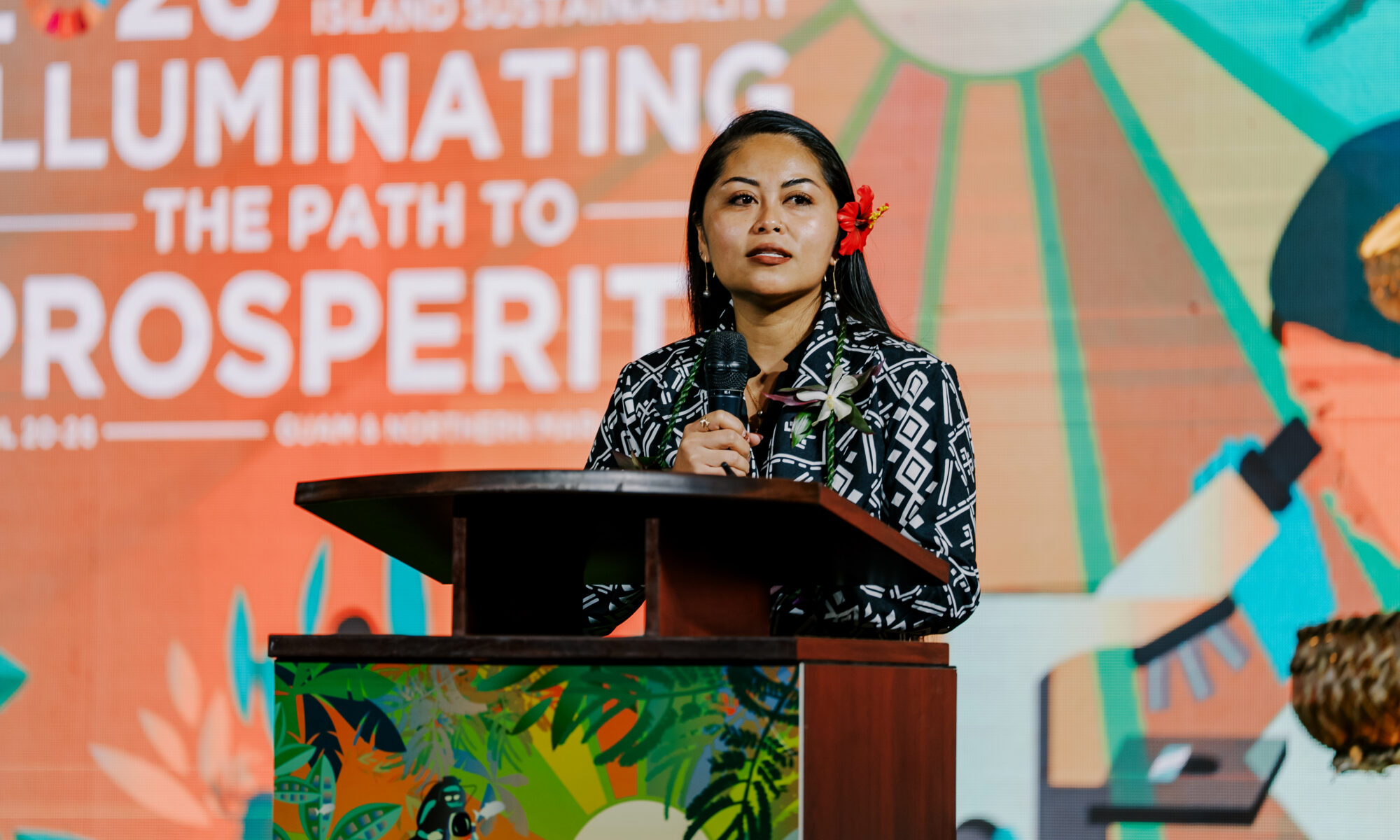
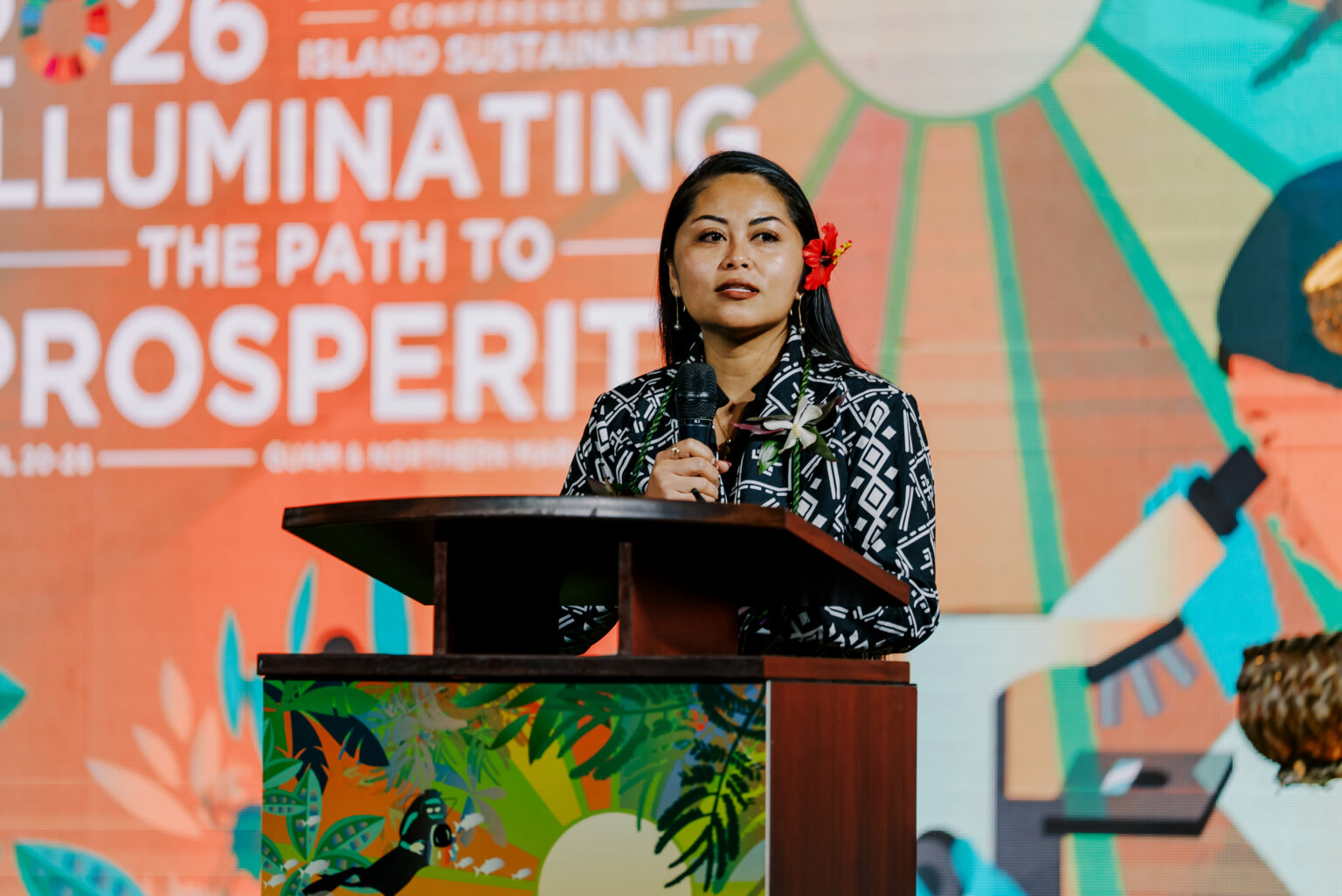
A collective of local famålao’an filmmakers have partnered with the Guam Museum’s HITA Talk series and will debut the Film Fiesta’s 7 short films at the museum’s indoor theater on Saturday, April 25, 2026 at 2pm.

The free event will be held in collaboration with the Heritage, Ideas, Traditions, Arts (HITA) Talk series held monthly by the Guam Museum Foundation.

The Film Fiesta is made up of works from local artists Tonya Dee McDaniel, Maria Sol Dueñas Marques, Yusra Khuja, Hokule’a Naomi Santos, Trinity Cando Feliciano and Dawn Lynne Fortuna Pechberty.

According to McDaniel, the presentation will showcase the diversity of Guam’s talent and people while highlighting the depth of art and storytelling our culture is known for.

“We liken our collection of short films to the variety of dishes that you’d find at the modern CHamoru fiesta table which come together to create an all-encompassing and unique experience,” said McDaniel. “This will be a multimedia showcase featuring digital collage, stop-motion animated, 2D digitally drawn animated and live-action short films.”

According to the group, the 7 short films will center on CHamoru cultural values such as environmental stewardship and seeking guidance from our asaina or ancestors in the hope of inspiring and creating solutions for our manhoben or youth.

Following the screenings a facilitated panel will be hosted featuring the filmmakers with an open questions and answers format included.

The group hopes that the event will create a space to empower film makers on Guam and to showcase the artistic expression of our cultural pride.

The event is presented by Guam Green Growth and the UOG Center for Island Sustainability & Sea Grant (UOG CIS & Sea Grant), Prutehi Guahan, and The Guam Bus.

UOG CIS & Sea Grant director Austin Shelton, Ph.D., underscores the importance of the arts in the movement for sustainability on Guam.

“Sustainability was our ancestors’ way of life,” said Shelton. “The storytelling of these films reconnect us to our ancestors and inspire pathways to our sustainable future.”

Entry is free to the public and refreshments will be available following the screening. While not required for entry, the group is kindly asking anyone planning on joining to confirm their attendance at their Eventbrite link:
https://www.eventbrite.com/e/hita-talk-a-short-film-fiesta-tickets-1984279750148?aff=oddtdtcreator

For more information, contact Tonya Dee McDaniel at 671-685-5247 or via email at tonyadee.mcdaniel@yahoo.com.

UOG brings critically endangered håyun lågu back to the wild

person wearing brown hat, sunglasses, and boots kneels on ground, planting håyun lågu tree

UOG brings critically endangered håyun lågu back to the wild

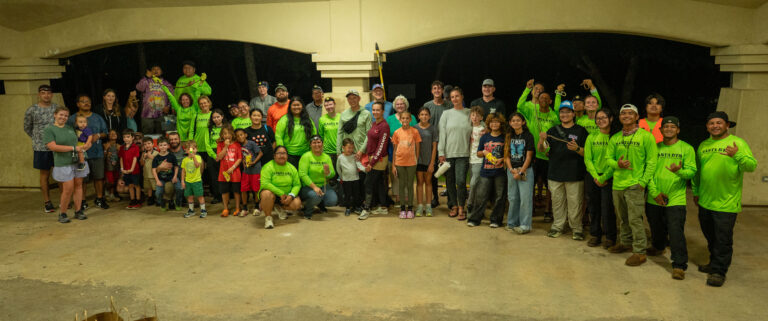
The University of Guam Center for Island Sustainability & Sea Grant (UOG CIS & Sea Grant) Natural Resources division, alongside the Guam Preservation Trust (GPT) and the U.S. Fish & Wildlife Service (USFWS), hosted an outplanting event at the Atantåno Heritage Preserve in the village of Santa Rita.

The planting event focused on bringing the critically endangered Serianthes nelsonii, an endemic tree species found only on Guam and Rota, back to the wild. Locally, it is known as “håyun lågu” in Guam and “tronkon guåfi” in Rota.

Associate Director for UOG CIS & Sea Grant’s Natural Resources division, Else Demeulenaere, Ph.D., has been working alongside her team in the Island Conservation Lab (ICL) to return the Serianthes nelsonii seedlings back to its natural habitat.

“Our program manager Vince Fabian and I acquired tronkon guåfi seeds from the island of Rota with the help of Rota Forestry, who were instrumental in our team being able to bring these seedlings to Atantåno,” said Demeulenaere.

Additionally, Demeulenaere says that although the Serianthes nelsonii in both Guam and Rota are similar, they have unique genotypes that differentiate those found on one island from the other.

According to Fabian, Serianthes nelsonii once grew throughout southern Guam but today, are critically rare due in part to heavy damage from insect pests that attack the trees at vulnerable stages.

“The team added pest cages around every single tree to give them a fighting chance,” said Fabian. “Interns play an important role in this effort, helping monitor the trees regularly and contributing to the long-term recovery of the species.”

According to Demeulenaere, partnerships and collaborations with sustainability partners like Rota Forestry, GPT and the community at large are imperative to the success of projects such as this. “Public access and regular hikes at Atantåno help connect people with the islands’s natural resources and strengthen stewardship.”

Senator Sabina Perez joined the planting of the trees, marking the occasion with personal significance. She shared that she feels a special connection to this species because her mother grew up in the Tarague area and often told her stories about the tree. Planting one herself was a meaningful moment, she said, as it reconnects her to her roots and honors her cultural heritage.

“This is really our plantcestor. When we talk about håyun lagu, håyun means wood and lagu means north, but it can also carry the meaning of something that comes from afar. When we think about it in this way, it becomes a symbol of our origins,” added Perez.

As the new year unfolds, the UOG CIS & SG’s Natural Resources division will continue introducing more endemic plant species to the Atantåno Heritage Preserve, following earlier outplantings of Cycas micronesica or fadang.

More information about the program and the work of the University of Guam Center for Island Sustainability and Sea Grant can be found online at uog.edu/seagrant or on social media @uogcis or @uogcis.islandconvervationlab on Instagram.

EPSCoR E-RISE welcomes its first graduate research assistant cohort

Mark Galang, Alex Loria, and Joe Epler, Dr. Hyunjin Oh, Dr. Bastian Bentlage, Dr. Michalis Mihalitsis, and Dr. Leslie Aquino

EPSCoR E-RISE welcomes its first graduate research assistant cohort

Mark Galang, Alex Loria, and Joe Epler, Dr. Hyunjin Oh, Dr. Bastian Bentlage, Dr. Michalis Mihalitsis, and Dr. Leslie Aquino
UOG NSF EPSCoR E-RISE's first graduate research assistant cohort with their faculty mentors. Front row L-R: Mark Galang, Alex Loria, and Joe Epler. Back row L-R: Dr. Hyunjin Oh, Dr. Bastian Bentlage, Dr. Michalis Mihalitsis, and Dr. Leslie Aquino. Not pictured: EPSCoR E-RISE GRA Robert Babac and faculty mentor Dr. Joo-Chul Yoon.

Guam National Science Foundation Established Program to Stimulate Competitive Research (Guam NSF EPSCoR) E-RISE welcomes four University of Guam graduate students to its inaugural Graduate Research Assistant (GRA) cohort.

The Graduate Research Assistant program provides UOG-enrolled graduate students with support for three years in their pursuit of a master’s degree. This support includes a tuition waiver of up to 12 credits, research training, faculty mentorship, possible travel opportunities, and a monthly stipend. One of two projects under the Guam NSF EPSCoR umbrella, the E-RISE RII project (Research Incubators for STEM Excellence) specifically aims to support students interested in marine biology and ecosystem research.

This first ever E-RISE GRA cohort includes Mark Galang, Alex Loria, Joe Epler, and Robert Babac.

Under the faculty mentorship of Professor of Mathematics Hyunju Oh, Ph.D., Associate Professor of Mathematics Leslie J.C. Aquino, Ph.D., and Assistant Professor of Physics Joo-Chul (J.C.) Yoon, Ph.D., both Galang and Babac will be focusing on machine learning and A.I. to build a model that categorizes images based off visual features.

“I’ve been doing research with these mentors for the past couple years, I first started as a researcher back in summer 2024, and then I became a research assistant for summer 2025,” Galang explains. “They asked me if I wanted to join in this very big project, I was like, “sure, why not,” because I want to see some cool things with this research,” he said.

Loria will be working under Bastian Bentlage, Ph.D., associate professor of bioinformatics, at the UOG Marine Lab to look at coral reef succession. Originally from Virginia with a degree in wildlife conservation from Virginia Tech, Loria has been working and doing research on Guam and the Mariana Islands for the past couple of summers.

“I like the wildlife, the people, and the culture, so I knew I wanted to make this my home at least for a little while,” Loria shares. “I’m also passionate about research and furthering my research experience, so the UOG Marine Lab is a great fit,” he says.

Michalis Mihaltisis, Ph.D., assistant professor of vertebrate morphology, will be mentoring Epler at the UOG Marine Lab, where they will be focusing on the cryptobenthic reef fish species found here in Guam. “I wanted to be able to be a full-time student and just focus on my classes, and then eventually also my field work, so I’m glad I was able to get this where I could not also have to work a part-time job the same time,” Epler explains.

Throughout the program, these GRAs will also be assisting undergraduate students who may be working under the same faculty mentors as part of other various student research programs, including the EPSCoR E-CORE Student Research Experience (SRE) program.

Undergraduate student researchers under EPSCoR grants often take part in Near-Peer mentoring sessions overseen by Cheryl Sangueza, Ph.D., in which they reflect on shared experiences within the program. This cohort will instead be taking part in GRA Mentoring sessions to be conducted by Christina Mantanona, the newly appointed Research Mentoring Lead for Guam NSF EPSCoR E-RISE. Regarding these mentoring sessions, the Research Mentoring Lead will “be doing a lot of surveying, finding out what’s valuable, what do you folks need so you’re not going to something that’s like perfunctory, you’re going to a discussion that has meaning and value for you,” Sangueza explains.

GDOE librarians explore innovation and learning resources at the G3 Makerspace

Abby Crain and Francesca De Oro, provides an overview of G3 Makerspace to GDOE librarians.

GDOE librarians explore innovation and learning resources at the G3 Makerspace

School librarians from across Guam visited the G3 Makerspace and Innovation Hub at the CHamoru Village as part of the 2026 Guam Department of Education (GDOE) Annual Library Conference, a professional development event designed to strengthen library services and expand learning opportunities for students across the island.

Organized under the leadership of conference chairperson Dolores Rosario, a librarian at Tiyan High School, the annual conference provides librarians with opportunities to learn about new resources, explore innovative tools, and build partnerships that support student learning.

The G3 Makerspace and Innovation Hub is supported in part through the Guam NSF EPSCoR program and serves as a collaborative space where community members, students, and educators can access tools, training, and resources that encourage innovation, sustainability, and hands-on learning.

According to GDOE, the Annual Library Conference focuses on enhancing library services, integrating technology into the curriculum, and fostering community connections. Past conferences have featured themes such as “Community Through Connection” and have explored topics including makerspaces and CHamoru literature.

The visit allowed librarians to learn about educational and community resources available to students, educators, and families.

The group also toured the CHalan Deskubre Hub at the UOG Dean’s Circle. “We learned that there’s a lot more information that can be available to our students at the actual hub. We know that it’s a resource that they and their families can go to,” Rosario said.

She added that it was encouraging to learn that the hub is accessible to schools interested in organizing visits. “It’s great knowing that the hub is open and available to schools,” Rosario said. “If they want to do group tours, small scale or even a little bit larger, they can accommodate different activities.”
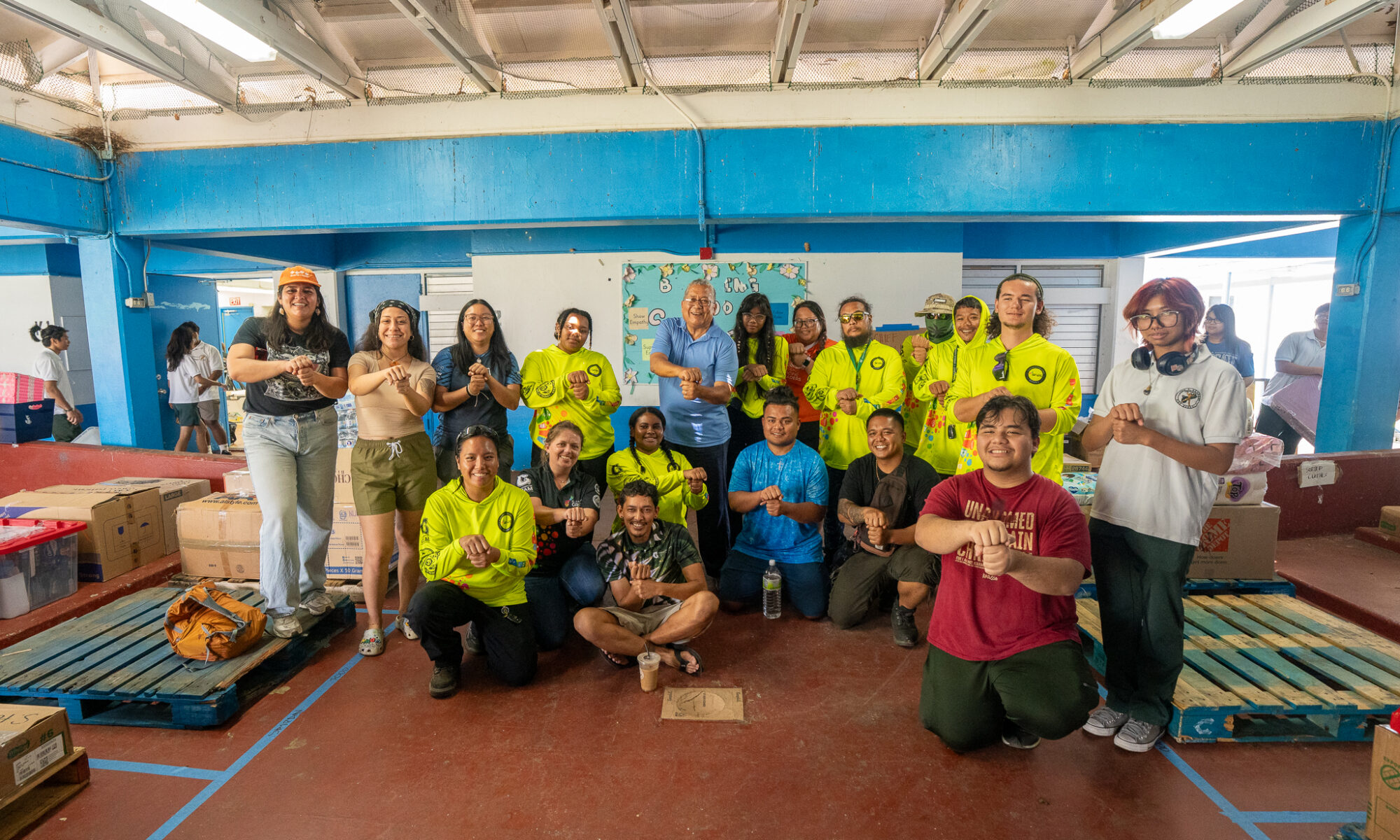
Rosario said the visits were included in the itinerary of the GDOE Annual Library Conference to help librarians discover resources they can integrate into their school programs. “What we do is we try to learn more about information and resources that we can bring back to help improve our programs and deliver services to students,” Rosario said.
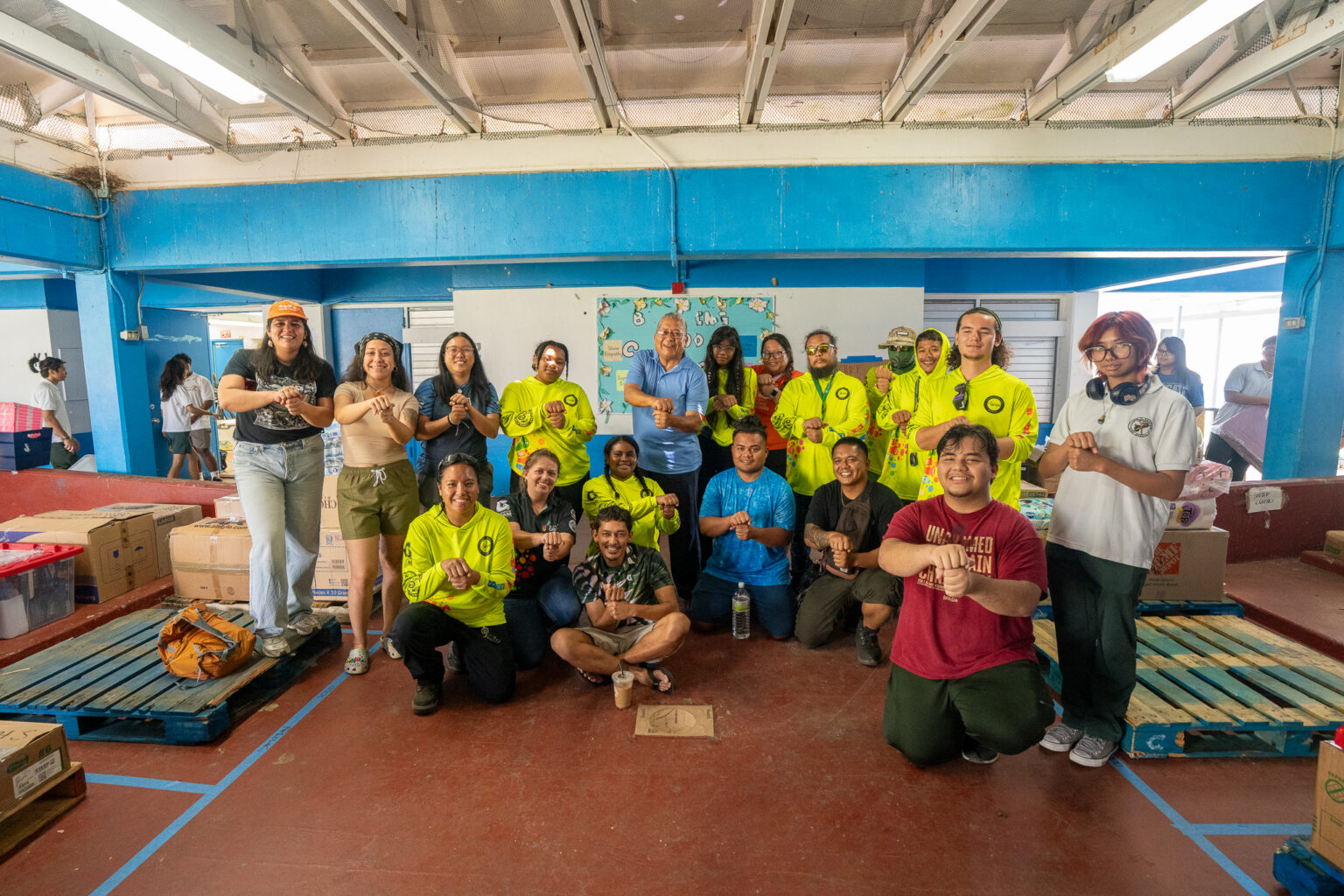
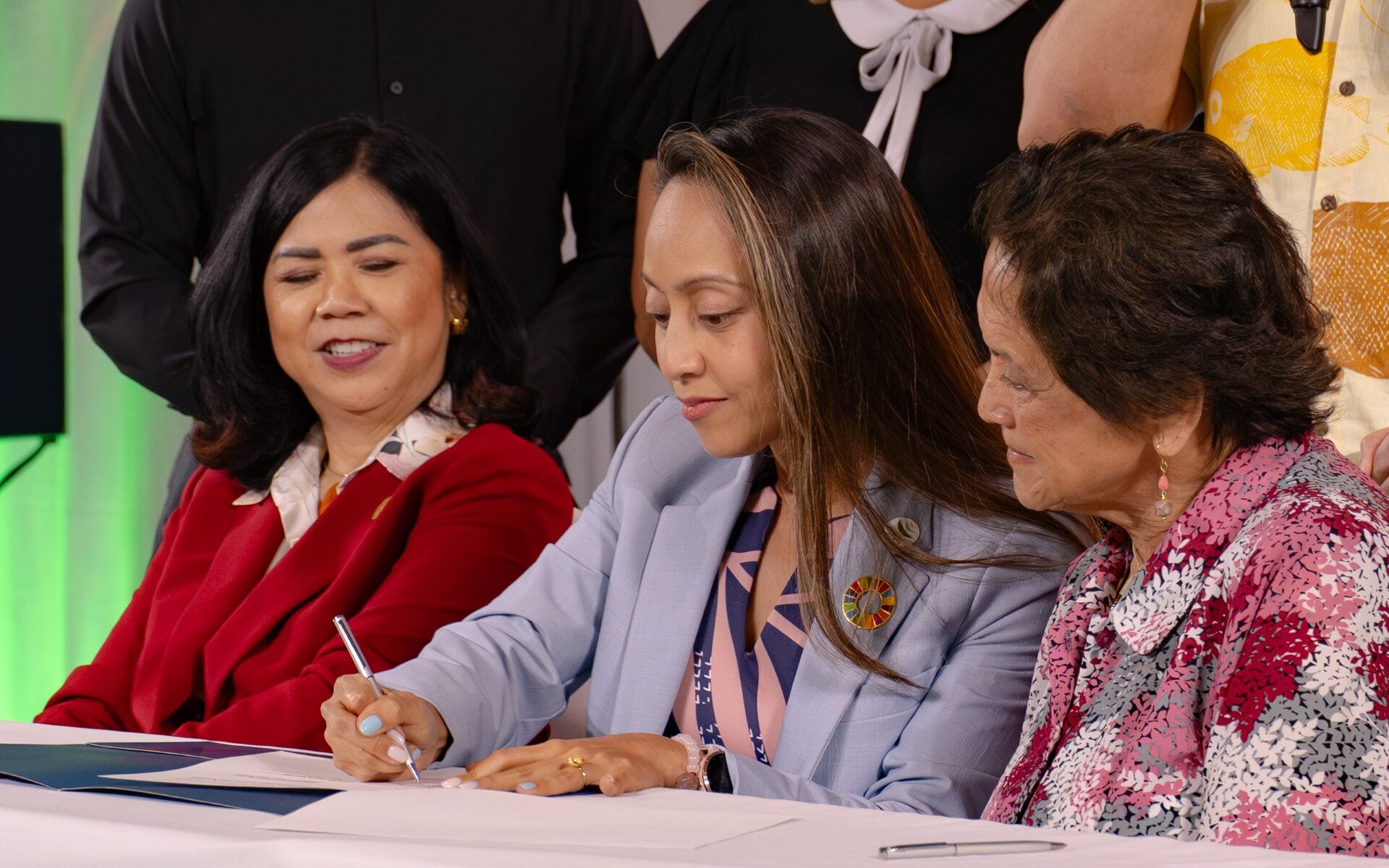
Many school libraries across Guam are expanding their offerings to include makerspaces—creative areas where students can experiment, build, and explore hands-on learning. “Librarians have an annual library budget, and we offer makerspaces in our libraries,” Rosario said. “If students want to come into our libraries, we offer resources that support their learning. Sometimes students need to build things, and sometimes they need resources.”

Some secondary school libraries are already equipped with tools such as Glowforge machines, a tool capable of cutting and engraving materials such as wood, acrylic, leather, and paper. “We’re going around seeing what can be done with the equipment that we are receiving through funding and the things that we can make or have students learn to make,” Rosario added.

During their visit to the G3 Makerspace and Innovation Hub, the group toured several areas including the G3 Green Store and the Plastics Resource Center.

G3 Makerspace coordinator Emily Wendte and G3 Circular Economy coordinator Abby Crain provided an overview of the programs and resources available to the community. At the Plastics Resource Center, they highlighted initiatives designed to divert plastic waste from the local landfill.

During the tour, some librarians were especially impressed by refurbished school desks displayed at the hub. The desks were created using basic metal desk frames combined with tabletops made from recycled plastics. The project was developed by Navigating Home fellow Justin Cruz, who is piloting the initiative at Maria Ulloa Elementary School. The desks demonstrate how recycled materials can be transformed into durable, functional furniture for classrooms.

Wendte and Makerspace staff member Shawn Garcia also guided the librarians through the Makerspace studio, where members can access a variety of tools and equipment to bring their ideas to life. The facility includes a laser cutter, 3D printers, a CNC router, woodworking tools, and other fabrication equipment. Members receive training before operating machines independently, while staff remain available to provide guidance and support.

The librarians expressed strong interest in the available equipment as well as the trainings and workshops offered through the G3 Makerspace and Innovation Hub, recognizing the potential to connect these opportunities with hands-on learning experiences in Guam’s schools.

Guam EPSCoR Students celebrate science with community at UOG Charter Day

GRA Diana Noto shows students a blue sea star and other marine organisms

Guam EPSCoR Students celebrate science with community at UOG Charter Day

Science was front and center during the University of Guam’s Charter Day festivities as students from the Guam NSF EPSCoR program helped spark curiosity among hundreds of visiting students from across the island.

Throughout the day, Guam EPSCoR student researchers hosted interactive outreach booths at the UOG Marine Laboratory, welcoming groups of elementary, middle, and high school students and the greater community, eager to learn more about the island’s unique marine and environmental ecosystems.

The outreach activities were designed to make science accessible and engaging. Visiting students explored hands-on demonstrations that introduced them to topics such as marine life, environmental monitoring, and the role of science in protecting Guam’s natural resources. EPSCoR students guided participants through experiments, answered questions, and shared their experiences pursuing careers in science and research.

The event created a rare opportunity for younger students to interact directly with college-level researchers working on issues relevant to Guam and the broader Pacific region.

For the EPSCoR student Diana Noto, the outreach was just as meaningful. Noto was excited to share her work and encourage the next generation of scientists.

“Seeing all the students make a connection with the marine life was a real win for me,” said Noto. “There were students who were really reluctant in the touch tank, and it was very rewarding to see the students interacting with the animals after they learned more about them.”

By the end of the day, the Marine Lab had welcomed hundreds of students from schools across Guam, many leaving with a deeper appreciation for the island’s marine environments—and a new curiosity about science.

The Guam EPSCoR program supports research and workforce development in STEM fields across the island, helping build local capacity in areas such as environmental science, data science, and sustainable resource management.

Through events like Charter Day, the program not only advances research but also connects young learners with the scientists and discoveries shaping Guam’s future.

UOG EPSCoR and SEAS INCLUDES welcome undergraduate fellows for 2026 

Students and faculty research mentors all together

UOG EPSCoR and SEAS INCLUDES welcome undergraduate fellows for 2026 

Students and faculty research mentors all together
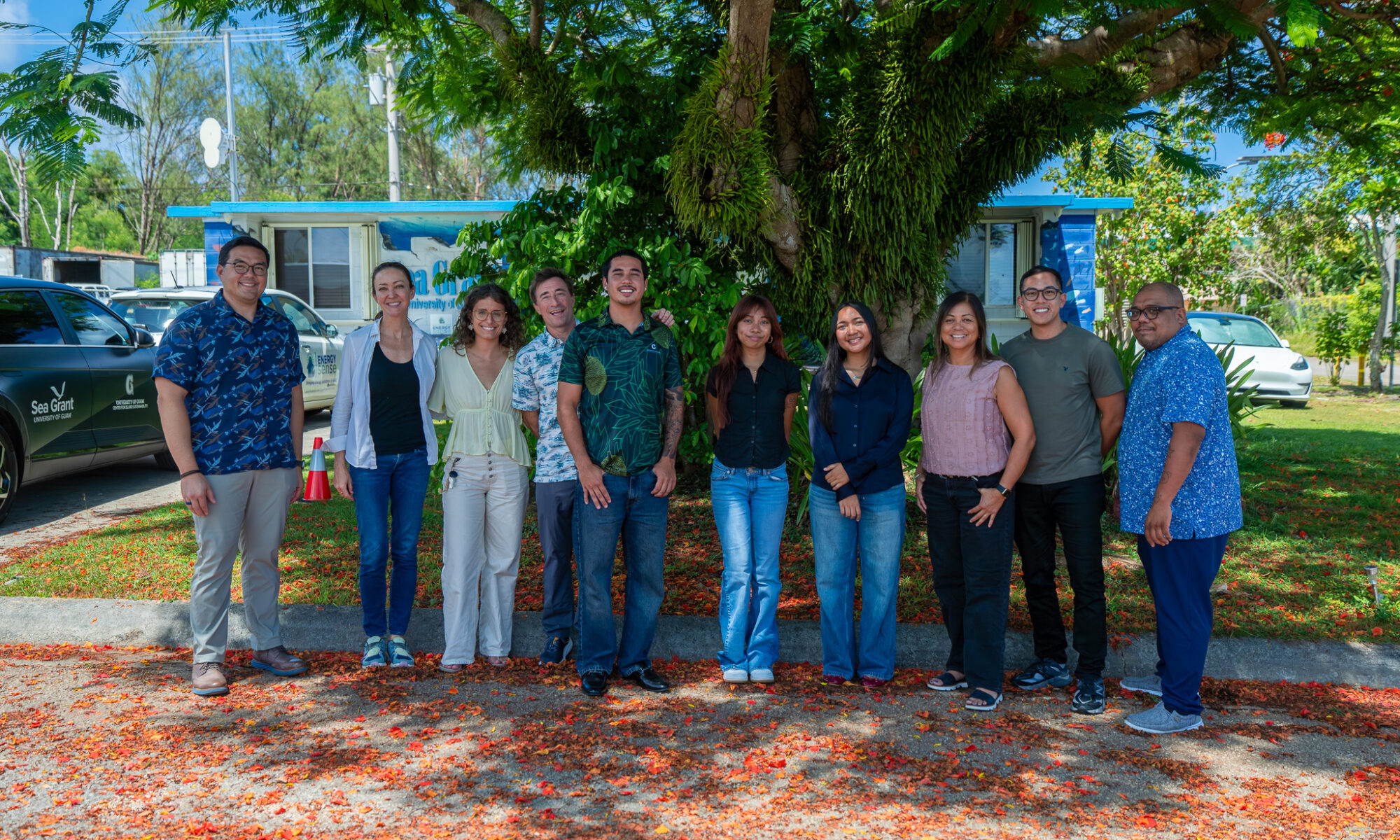
Students and faculty research mentors all together following the 2026 Guam NSF EPSCoR E-CORE/GECCO & SEAS INCLUDES Islands Alliance Student Research Experience orientation.

A total of 20 students across both the University of Guam and Guam Community College will spend their year as undergraduate student research fellows for the Guam National Science Foundation Established Program to Stimulate Competitive Research (Guam NSF EPSCoR) E-CORE (Optimizing Research Infrastructure on Guam)/ GECCO (Guam Ecosystems Collaboratorium for Corals and Oceans) and INCLUDES SEAS Islands Alliance programs.

The Student Research Experience (SRE) provides students with interest in STEM (Science Technology Engineering and Mathematics) the opportunity to work alongside a faculty research mentor and receive guidance for their own research projects, with the support of a monthly stipend. This program is designed to build sustainable research infrastructure cores within NSF EPSCoR-eligible jurisdictions to improve the overall research ecosystem, foster innovation, and promote economic growth.

This year’s undergraduate student researchers include:

E-CORE:

      • Leeana Jackson (GCC)
      • Ashley Gim (GCC)
      • Mykaila Charfauros (UOG)
      • Reggie Waiti (UOG)
      • Azer Bilimon (UOG)
      • Paris Borja (UOG)
      • Erica Garcia II (UOG)
      • Jarome Scott (UOG)
      • Juliana Valencia (UOG)

GECCO:

      • Kåna Sgambelluri (UOG)
      • Kiaza Jerao (UOG)
      • Ariel Santiago (UOG)
      • Sean Fabian (UOG)
      • Cameron San Agustin (UOG)
      • Jesse Carpo (UOG)
      • Nicolas Ubaldo (UOG)

INCLUDES:

      • Diego Quiogue (UOG)
      • Shannah Solamillos (UOG)
      • Allysa Calilung (UOG)
      • Segundo Garrido (UOG)

Throughout the program, student researchers will meet with faculty mentors on a recurring basis to engage in various research projects. This includes lab and field work ranging from plant pathology, marine biology, entomology, civil engineering, and more. This year’s SRE cohort will be working under the following faculty mentors:

      • Bastian Bentlage, Ph.D. – Bioinformatics (GECCO)
      • Else Demeulenaere, Ph.D. – Biology & Social and Behavioral Sciences (E-CORE)
      • Nestor Guades, Ph.D. – Civil Engineering (E-CORE, INCLUDES)
      • Alfred Daniel Johnson, Ph.D. – Entomology (E-CORE, INCLUDES)
      • Rob Lasley, Ph.D. – Crustacea, (GECCO, INCLUDES)
      • Christopher Lobban, Ph.D. – Biology (E-CORE, INCLUDES)
      • Michalis Mihalitsis, Ph.D. – Vertebrate Morphology (GECCO)
      • Bindu Poudel-Ward, Ph.D. – Plant Pathology (E-CORE)
      • Brett Taylor, Ph.D. – Marine Biology (GECCO)
      • Wei Xiao, Ph.D. – Biology (GECCO)
      • Rui Zeng, Ph.D. – Civil Engineering (E-CORE)
UOG EPSCoR and NSF SEAS INCLUDES student researchers and faculty mentors acquaint themselves during the 2026 SRE orientation at the UOG Annex A.

Throughout the year, the cohort will attend monthly Near Peer sessions. These sessions, overseen by Cheryl Sangueza, Ph.D., bring student researchers together to reflect on the program as it happens in real time. “We talk about your research experiences and how they impact your sense of belonging in science, your identity, and how that breathes into science communication, and just your place in space in science,” Sangueza explains. “We bridge what you’re doing with the research to who you are as scientists,” she says.

This year’s SRE iteration also introduces the first cohort for Guam NSF EPSCoR E-CORE, a project that holds a strong focus on creating self-sustaining research ecosystems. E-CORE RII ORIG (Optimizing Research Infrastructure on Guam) aims to build upon the foundation developed by the previous research project GECCO. The research project is a product of collaboration by UOG and GCC, working in synergy with the Guam Science & Technology Steering Committee (STSC) to expand Guam’s research ecosystem, diversify its STEM workforce, and advance science and technology initiatives.

Alongside working with faculty mentors on various research projects, student researchers will also be trained to present their work at STEM conferences. These primarily include the annual UOG Conference on Island Sustainability happening on Guam at the end of April, as well as the annual SACNAS (Society for Advancement of Chicanos/Hispanics and Native Americans in Science) NDiSTEM Conference happening in Long Beach, California at the end of October. Student researchers may also be chosen to present at other STEM conferences on Guam or abroad depending on their respective grant support. They will be trained to present their work in various ways, including poster presentations and/or panel participation, and will get the chance to network with like-minded STEM enthusiasts and professionals from all over the world.

UOG introduces 2026 REEF fellows and G3 Circular Economy interns

Uncategorized

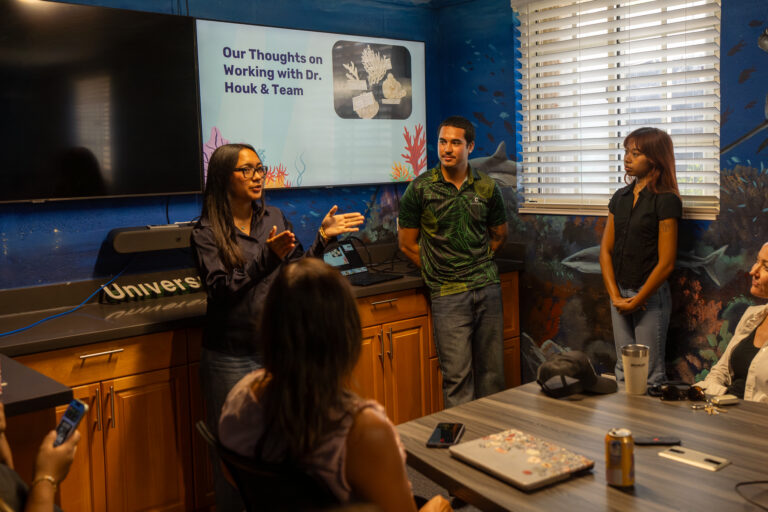
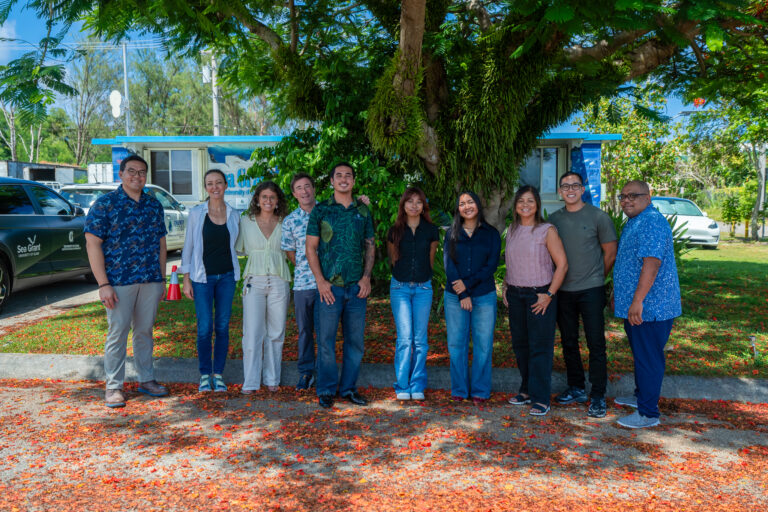
The University of Guam Center for Island Sustainability and Sea Grant (UOG CIS & Sea Grant) has announced six students selected for the 2026 Research, Education and Extension Fellowship (REEF) and Guam Green Growth (G3) Circular Economy Internship. Over the coming months, these students will bridge the gap between classroom theory and hands-on practice, gaining professional experience in fields ranging from coral reef ecology to the island’s circular economy.

“These programs are funded under the UOG Sea Grant Omnibus, which supports undergraduate fellowships and workforce development internships. Together, these opportunities equip students with a strong toolbelt of practical skills, research experience, and professional mentorship that prepare them for careers in sustainability and beyond,” said UOG Center for Island Sustainability and Sea Grant Project Leader Phil Cruz at the event announcing the new program participants.

The REEF Program pairs students with mentors working in the sustainability field to conduct research or extension projects that address regional sustainability issues, including conservation. The fellowship runs 20 weeks from the start date, and interns are required to present their research at a G3 Science Café event at the conclusion of the program.

Selected as 2026 REEF fellows are Dominic Torres, Angelie Donguines, and Ale’a Duenas, all majoring in Integrated Biology at UOG. They are mentored by Peter Houk, Ph.D., at the UOG Marine Lab, where research is being conducted in the areas of coral reef ecology, fisheries, and climate change research.

Dominic Lubas, who is training in Heating, Ventilation, and Air Conditioning (HVAC) at the Guam Community College (GCC), is also a REEF Fellow hosted by the G3 Makerspace and Innovation Hub.

Duenas shared that she looks forward to expanding her knowledge of the ocean, particularly coral and reef ecology. “To also be more well-rounded in what I already know, and to practice these skills,” she said.

Donguines joined the program to pursue her interest in marine science. Though she was initially unsure of which direction to take her major, her positive experience during a previous internship with Dr. Houk led her to return to his lab to focus on coral research.

Torres added that his interest in spearfishing sparked his curiosity about reef ecosystems. “So, I wanted to learn more about the reef, stuff like that. I’m excited to be a part of the team. I hope we get to go scuba diving and do all those fun things along with the data collection and whatnot,” he said.

Lubas shared that he wanted to learn how to operate machines at the Makerspace and understand how they are integrated into recycling efforts on Guam. “I wanted to involve myself in that process… and see how I can use the skills that I learned during my time and transfer them to other career opportunities in the future,” he said.

Meanwhile, the G3 Circular Economy Internship focuses on recycling reclaimed plastics at the G3 Makerspace and Innovation Hub. Interns gain hands-on experience operating equipment such as laser engravers, routers, CNC machines, and lathes while working closely with mentors to meet shared objectives. The internship runs from February to May or upon completion of 150 hours.

Selected as G3 Circular Economy interns are Francisco Egurrola and Camia Wy, both Civil Engineering majors at UOG. They are mentored by the G3 Makerspace Team led by G3 Makerspace project lead Emily Wendte, along with Navigating Home fellow Justin Cruz and Makerspace staff Shawn Garcia.

Wy said the internship has expanded her experience beyond research and design by giving her hands-on exposure to machines and plastic recycling. “It’s been an eye-opener; you get to see how much plastic we have on island,” she said.

Egurrola said his interest in sustainability led him to apply. After completing research projects in high school, he wanted hands-on experience and a better understanding of waste management on Guam. He said contributing to efforts that address plastic waste and support a circular economy is meaningful to him.

Community invited to show support for UOG CIS & Sea Grant through “I Value CIS & Sea Grant” campaign

Uncategorized

The University of Guam Center for Island Sustainability and Sea Grant (UOG CIS & Sea Grant) is inviting the public and partners to share their support and experiences through a new initiative highlighting the value the program brings to Guam and the broader Micronesian region.

The “I Value CIS & Sea Grant” campaign encourages community members, partners, and program participants to add their names and comments on a dedicated web form explaining why they support the work of UOG CIS & Sea Grant. Participants can simply sign their names or share personal stories describing how the program has impacted their lives, their work, or the island community.

The effort follows a broader national initiative across Sea Grant programs throughout the United States, which are emphasizing the importance of Sea Grant research, education, and outreach programs in their local communities. These initiatives are designed to demonstrate how Sea Grant programs support coastal economies, environmental stewardship, and community resilience.

Sea Grant programs operate through partnerships between universities and the National Oceanic and Atmospheric Administration (NOAA) and are known for addressing coastal and marine issues through research, education, and community engagement.

At the University of Guam, the Center for Island Sustainability and Sea Grant has grown into a major regional hub for sustainability initiatives, working with government agencies, nonprofit organizations, businesses, and community groups to address critical island challenges. The program focuses on environmental protection, economic development, education, and community engagement in Guam and across Micronesia.

Since its establishment, UOG CIS & Sea Grant has supported projects ranging from marine conservation and fisheries research to workforce development, watershed restoration, and sustainability initiatives such as Guam Green Growth.

The new campaign is designed to give the community an opportunity to share their voices and demonstrate the wide-ranging impact of the program’s work.

The submission form can be found at https://forms.gle/KcPP7f8LPKxJwDvX8.

Second annual UOG Fish Fest celebrates sustainability, science, and culture

Uncategorized

From ancient fishing traditions and modern marine science to a fish kelaguen competition, the second annual Fish Fest —organized by the University of Guam Center for Island Sustainability and Sea Grant —returned this month, continuing its mission to promote sustainable fishing and food security.

Anchored to the United Nations Sustainable Development Goal 14: Life Below Water, the festival brought together scientists, traditional fishers, and local families, alongside key partners like the UOG Marine Lab, the Guam Department of Agriculture, the Micronesian Conservation Coalition, among others, for the event held at the Guam Green Growth Circular Economy Makerspace and Innovation Hub at CHamoru Village.

Austin Shelton, Ph.D., director of the UOG Center for Island Sustainability and Sea Grant, highlighted biodiversity, economy, and culture as the three pillars of the event. He noted that Guam boasts some of the most diverse coral reefs in the United States, supporting over a thousand species of reef fish. Given the significance of the island’s marine resources, Shelton emphasized that the festival serves as an essential platform for sharing best practices in sustainable fishing and resource management.

“We want to be able to ensure that the values that have been passed on for generations continue to get passed on to the future. And as we go to harvest these different species that you learn about here at Fish Fest, I think that’s a really exciting and special time where we can have that focus on at least once a year for our Fish Fest and inspire the next generations to carry this forward,” Shelton said.

Fran Castro, associate director for operations and development at UOG Center for Island Sustainability and Sea Grant, noted that Fish Fest is a key component of the research extension and education efforts of the program. By collaborating with non-profit organizations, government agencies, and other partners, the festival provides a dedicated space to discuss the status of local fisheries on Guam and the region.

Leilani Sablan-Naden, project leader for Guihan for Guahan, described the event as a celebration of a resource that has been central to CHamoru culture. “This is an outreach event that is meant to celebrate our fish, our fisheries, and this amazing resource that surrounds our island. We have our various outreach partners that are here engaging the community on the various types of work that they do, whether that is science or management…We are just here to celebrate all things fish,” Sablan-Naden said.

She added that this year’s festivities introduced several new interactive elements, including a fisher storytelling segment designed to pass down generational wisdom and a fish kelaguen competition.

Guam DoAg also played a major role in the day’s programming. Leilani Duenas, an aquatic education and outreach biologist with the Division of Wildlife and Aquatic Resources, observed that in a modern world where many people are increasingly disconnected from nature, Fish Fest serves as a necessary reminder of the beauty and importance of the ocean.

“What we’re trying to do is to emphasize that message to our community, that we should care about our environment, especially what’s in our ocean. We promote fishing in our community, like I said, and part of that is fish management. Understanding the fish helps us to manage our resources better,” Duenas said.

The impact of these outreach efforts was evident among the attendees. Svetlana Adzhigirey, who visited the event with her family, said, “This is my first Fish Fest. My 8-year-oldson is just a fanatic of fishing. That’s why when he saw the sign at Fish Hook, we have to make it here,” Adzhigirey said. She also praised the “nice setup” and the educational takeaways at the event.

UOG’s G3 GROW Corps named among the nation’s top public service innovations

Uncategorized

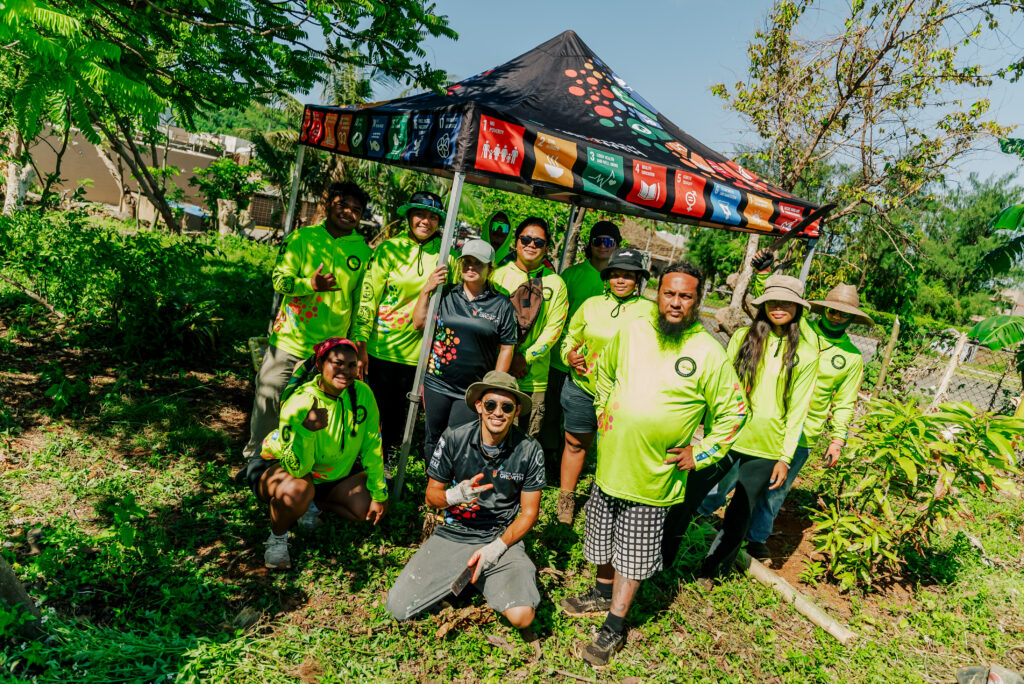
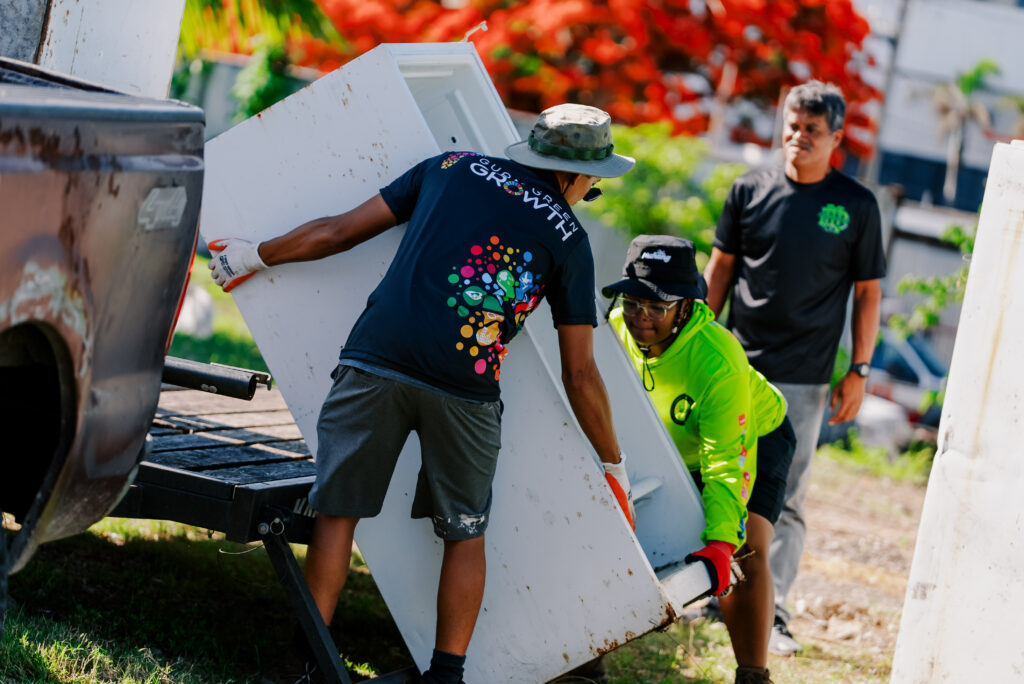
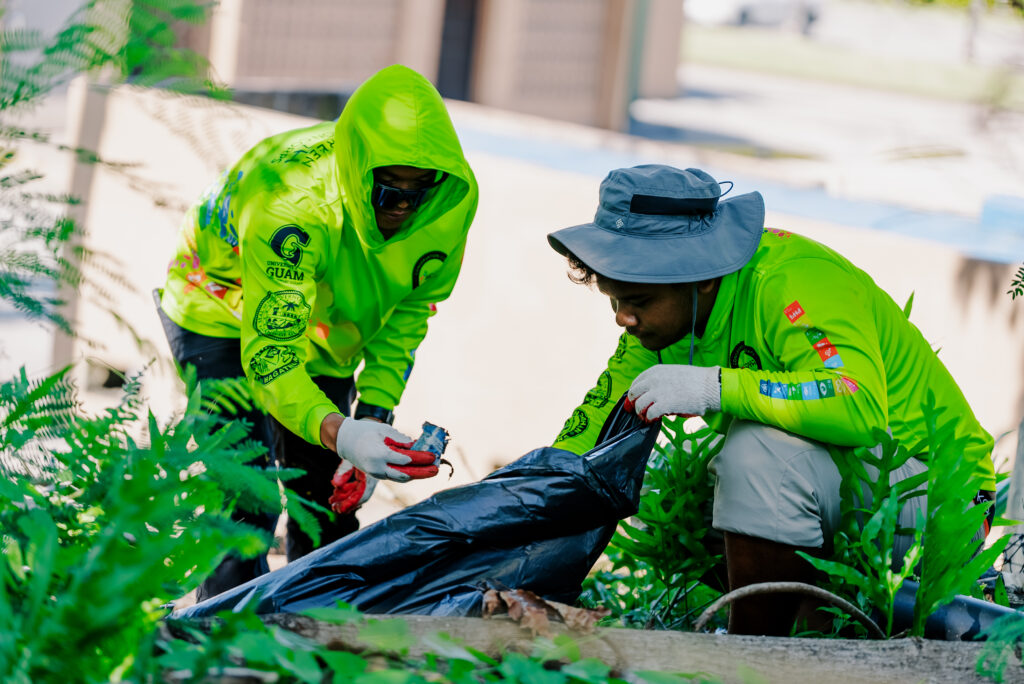
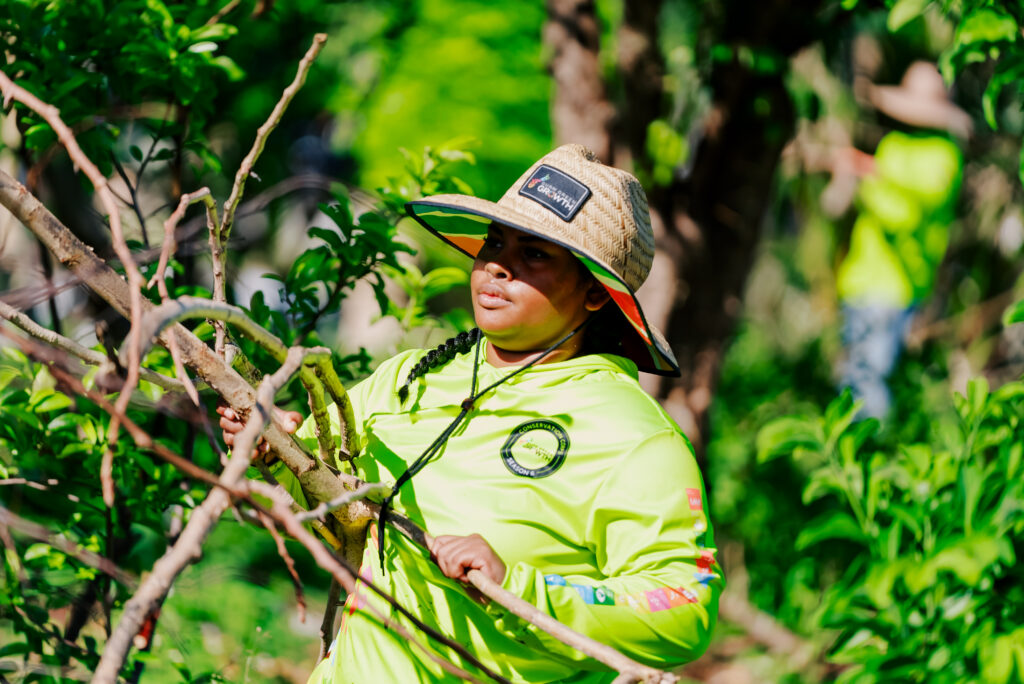
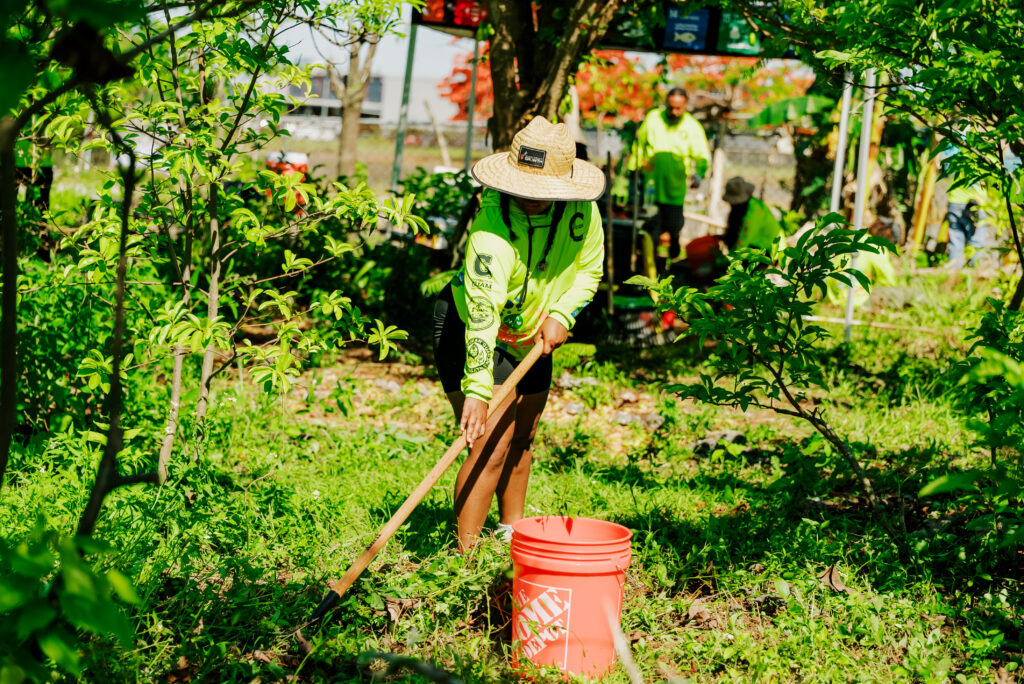
The Guam Green Growth (G3) Guam Restoration of Watersheds (GROW) Corps, facilitated by the University of Guam Center for Island Sustainability and Sea Grant, has been named to 50 States, 50 Breakthroughs, a national showcase highlighting transformative public service initiatives across the United States and its territories.

The showcase features one project from every U.S. state, along with Washington, D.C., Guam, and Puerto Rico, and recognizes initiatives advancing public impact in areas such as artificial intelligence and emerging technology, climate and disaster response, digital transformation, workforce development, policymaking, transportation and infrastructure, housing and health, and citizen engagement.

The G3 GROW Corps was selected in the climate, energy, and disaster response category for its work restoring Guam’s watersheds, strengthening environmental resilience, and developing a sustainability-focused workforce.

UOG President Anita Borja Enriquez, DBA, who also serves as the co-chair for the G3 initiative, underscored the institutional significance of the inclusion in the list. “Being featured in this national showcase underscores the University’s leadership in advancing community-driven solutions. It signals that the work happening with UOG and Guam Green Growth is contributing to conversations and progress well beyond our shores.”

Austin Shelton, Ph.D., the director of the UOG Center for Island Sustainability and Sea Grant (UOG CIS & Sea Grant), emphasized the broader meaning of the recognition.

“Through Guam Green Growth, we are integrating workforce development, environmental restoration, and community partnership into a unified strategy for long-term resilience. We are grateful for this recognition as a Top 50 Breakthrough, and we’re pleased to continue sharing the green growth model with our island neighbors, as well as other U.S. states and territories,” said Shelton.

The initiative was created by Apolitical, the National Academy of Public Administration (NAPA), and Humans of Public Service. Projects were reviewed by a panel of expert practitioners and leaders from across the public service ecosystem, spanning government, academia, technology, and civic innovation. Drawing extensive experience in public sector leadership, scalable impact, and emerging technologies, reviewers identified initiatives demonstrating measurable results, originality, and strong potential for adaptation by governments nationwide. Collectively, the selected projects offer an encouraging vision for the future of public service in the United States.

“At a time when trust in government matters deeply, 50 States, 50 Breakthroughs show what effective, innovative public service looks like in action,” said James-Christian Blockwood, President and Chief Executive Officer of the National Academy of Public Administration. “These solutions improve outcomes in our state and local communities and offer powerful examples that strengthen public service nationwide.”

According to Brian Whittaker, Executive Director of Humans of Public Service, the stories of the honorees highlight that public servants across the country are deeply committed to their communities and are finding new, thoughtful ways to serve them better.

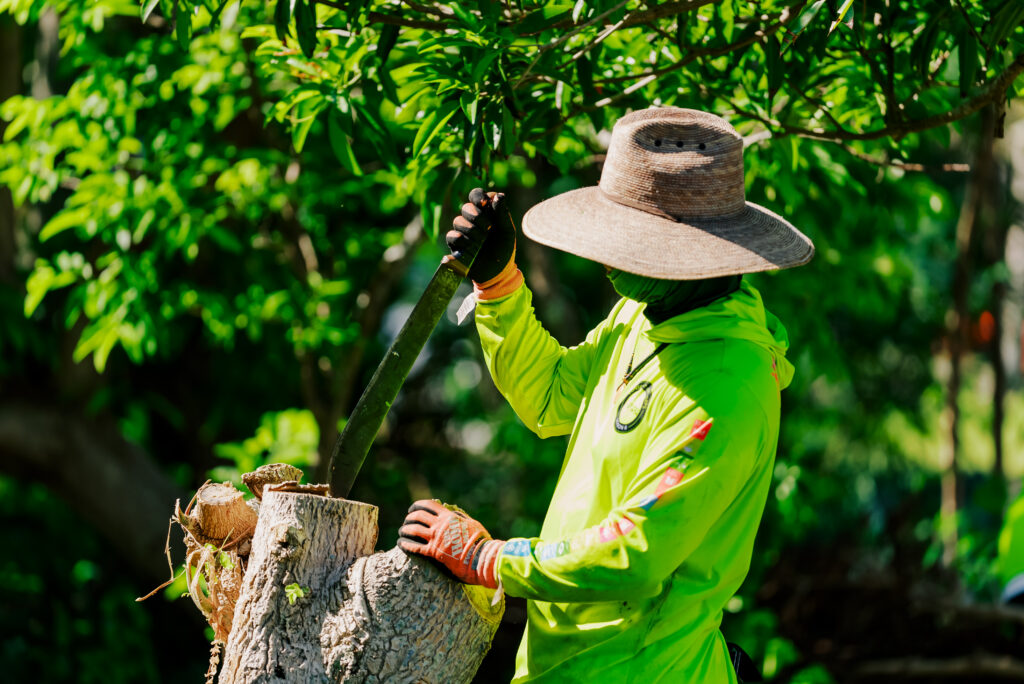
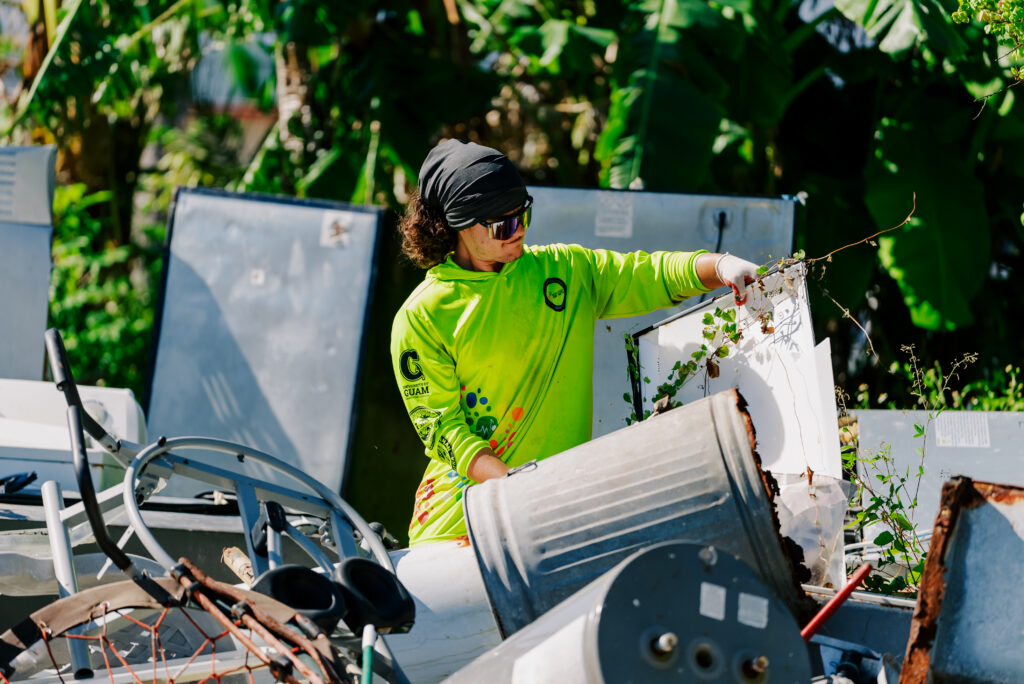
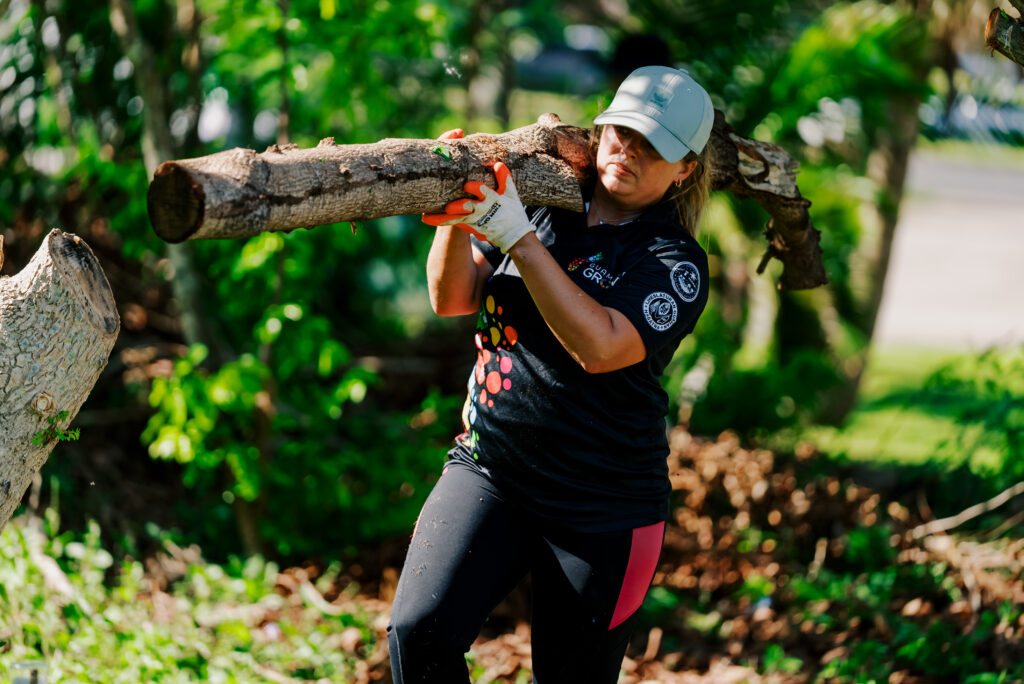
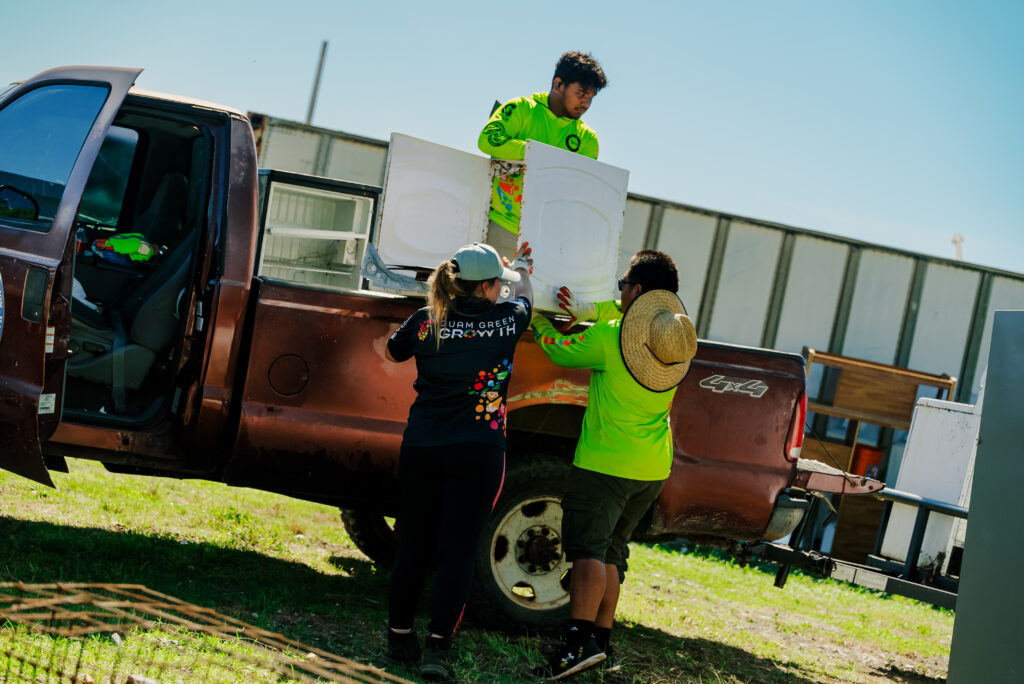
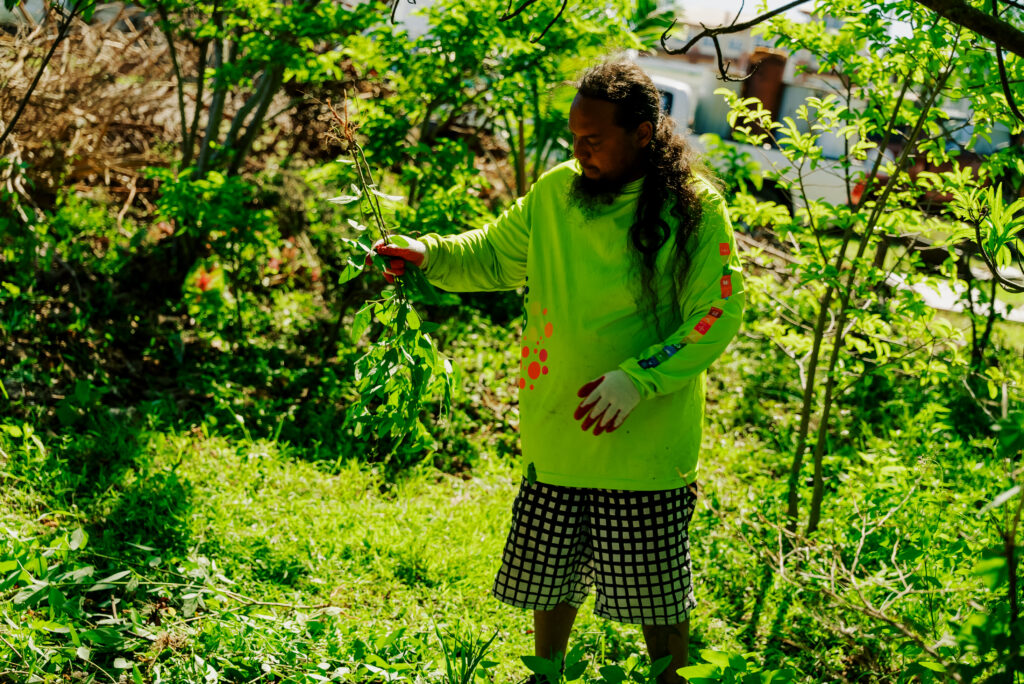
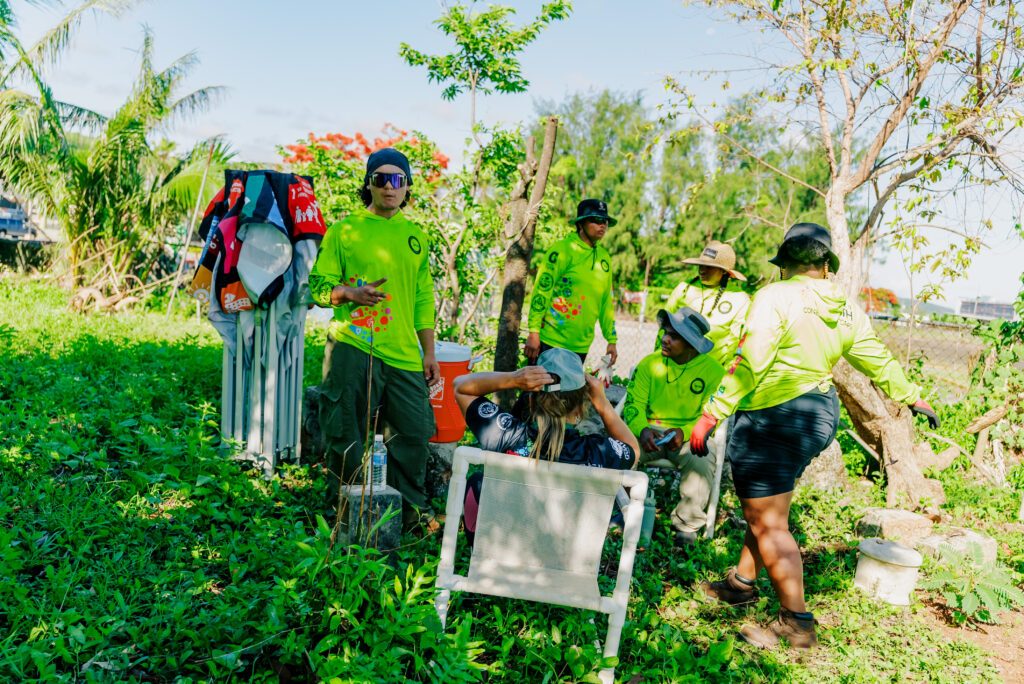
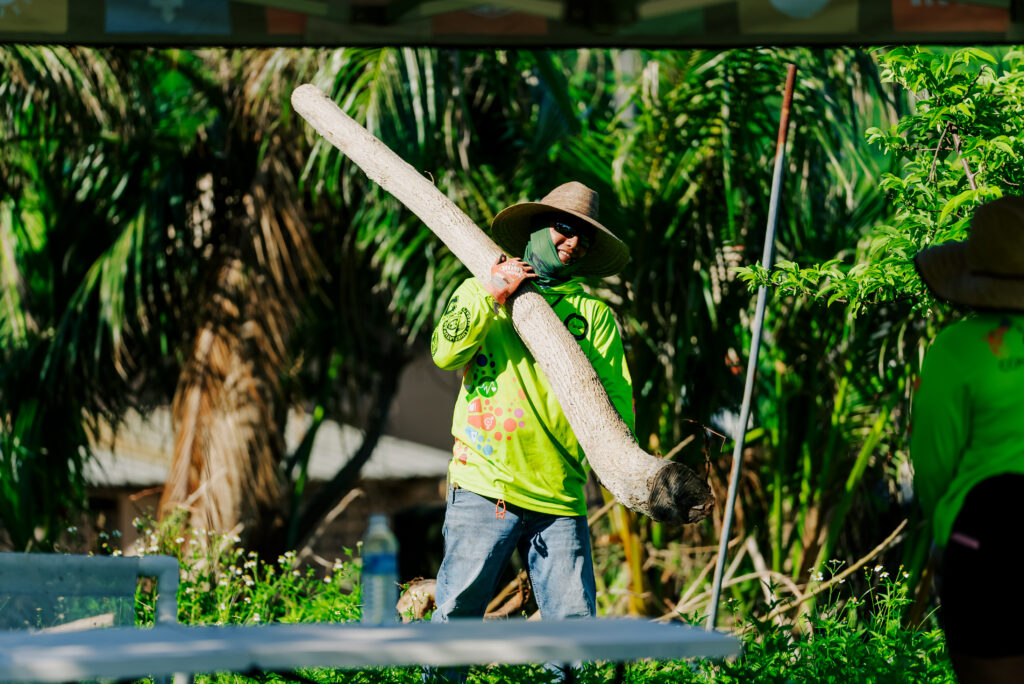
The G3 GROW Corps marked the successful completion of the first cohort earlier this year and helped to reach a landmark of over 7000 trees planted in watershed restoration efforts alongside UOG CIS & Sea Grant GROW team members.

The GROW initiative aims to reforest Ugum watershed badlands to prevent more sediment runoff into the rivers that provide water for the southern villages of Guam and have led to smothering of coral in close by coastal zones.

Skip to content