#InTheNews – Guam Green Growth focusing on food security initiatives
#InTheNews – Island sustainability director lays out G3 achievements
#InTheNews - Island sustainability director lays out G3 achievements
By Isaiah Aguon
KUAM.COM
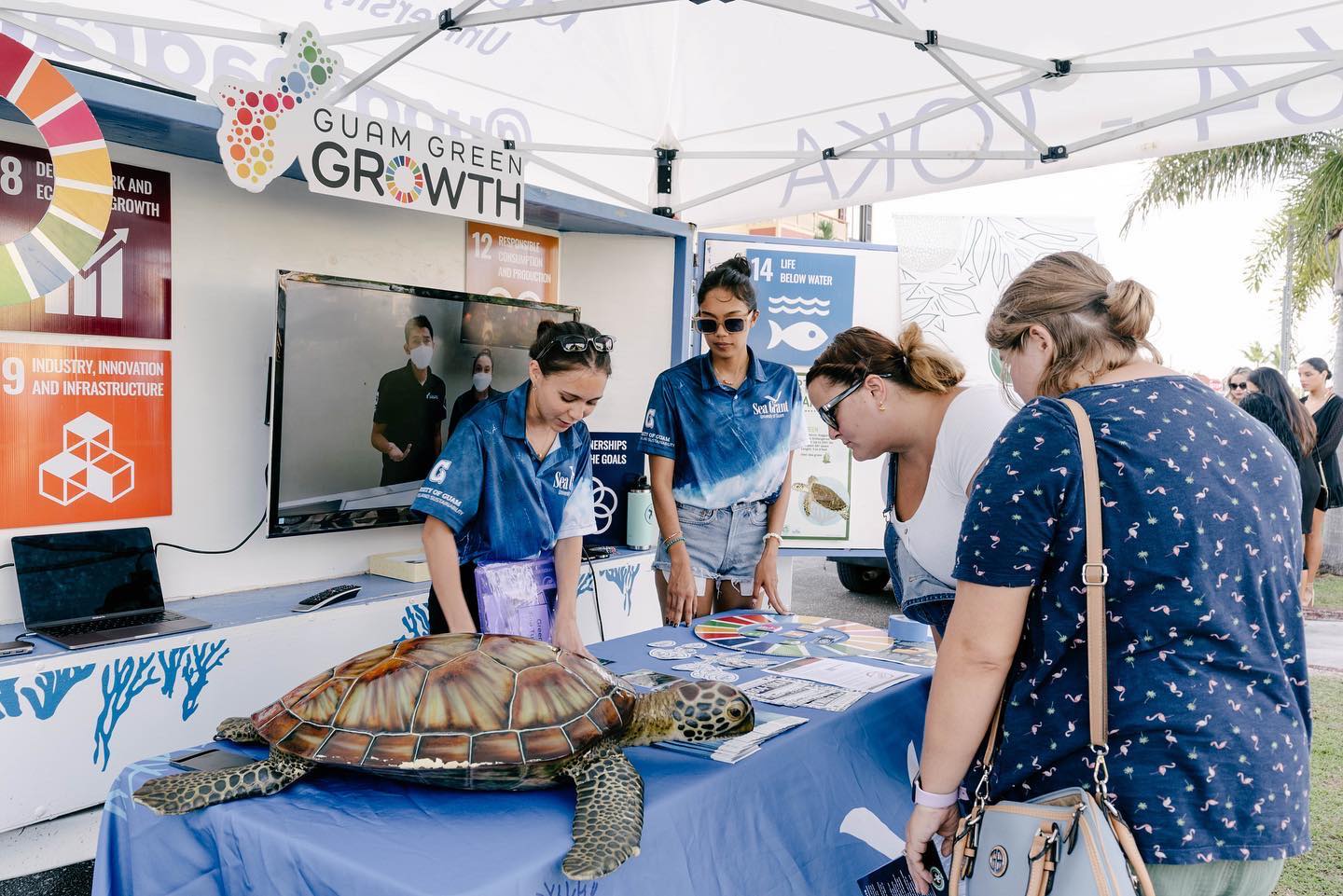
Guam Green Growth, also known as G3, provided an update on its latest initiatives at its recent steering committee meeting.
It develops tangible solutions to sustainability challenges and contributes to a green economy for the island region.
Dr. Austin Shelton, the director of the University of Guam Center for Island Sustainability gave an update on their food security projects.
“We have our extension associate David Crisosotomo leading these efforts from our team here at UOG SeaGrant,” he said. “We’ve announced in the past that we were setting up this community aquaponics system, so we have a couple of them in place. Now, this is our system at Island Girl Power up in Dededo and there are some fish inside getting stabilized Crisostomo will be going back up there to Dededo shortly to add 200 fish to the tank and keep those growing and we have the community volunteers to have this up and running and it will serve as an education tank so that others in the community and the village can set up there own aquaponic systems for their back yards or for their small businesses.”
#InTheNews – Our View: The move toward greater sustainability will create more ‘green’ jobs
Our View: The move toward greater sustainability will create more 'green' jobs
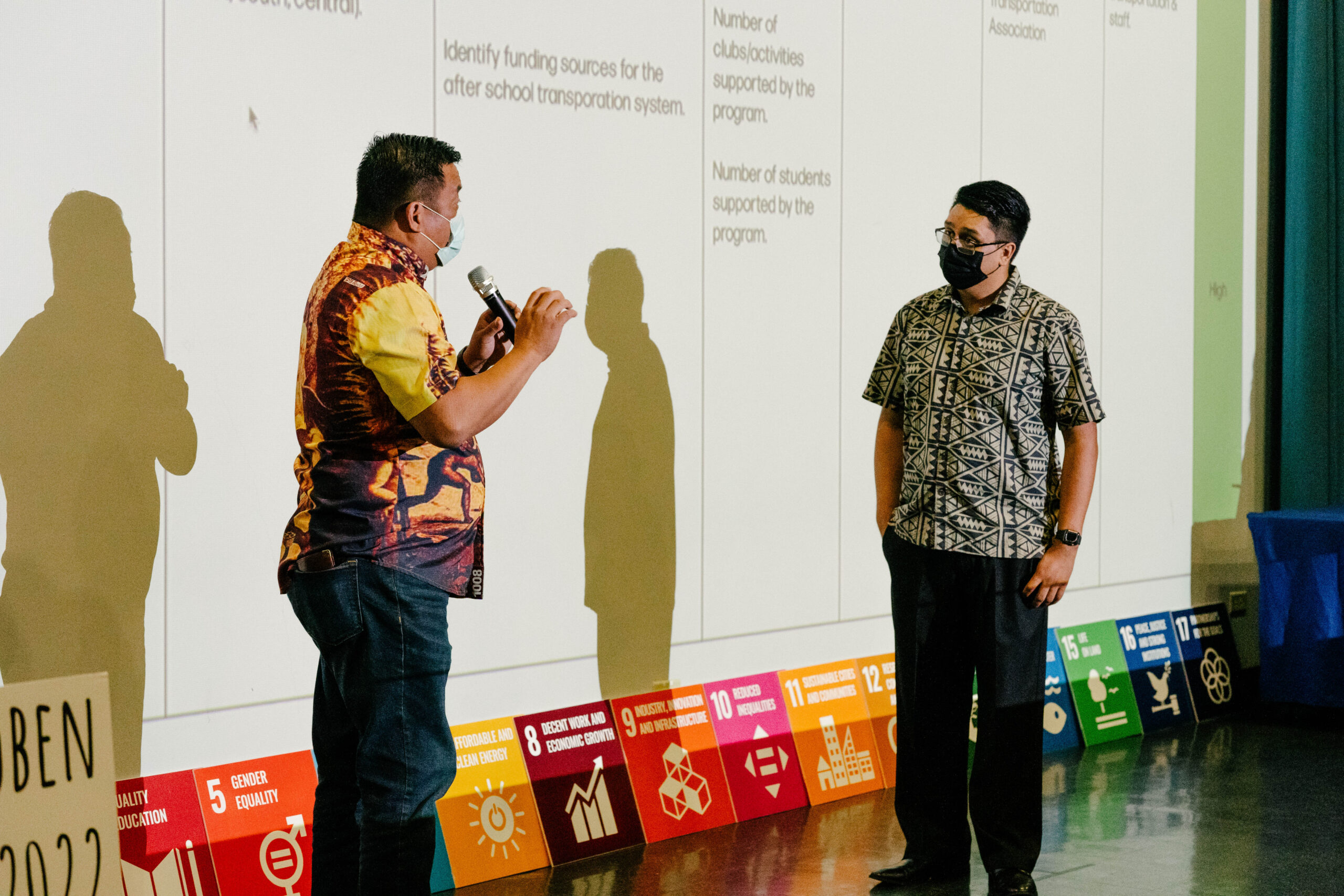
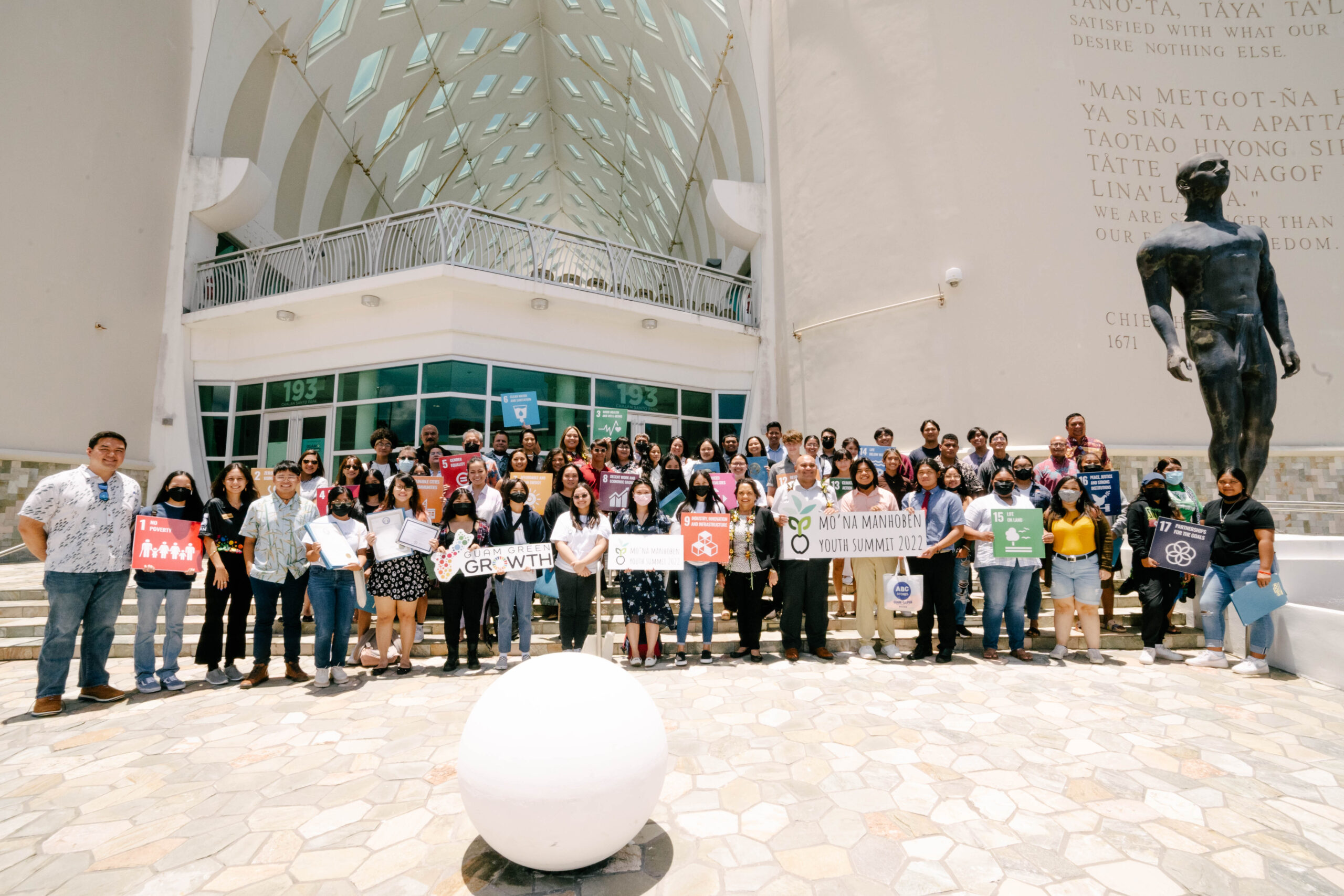
Sustainability has become ever more important in today’s world, and Guam is striving to ensure that it meets the 17 Sustainable Development Goals developed by the United Nations.
The goals are an urgent call for action by all countries to end poverty, improve health and education, reduce inequality and spur economic growth while also tackling climate change and working to preserve the environment, according to the UN.
The University of Guam Center for Island Sustainability and Guam Green Growth have been leading the charge here and have been making good headway.
Austin Shelton, director of the Center for Island Sustainability and Sea Grant, said the island is moving forward with aquaculture and aquaponics projects, as well as community gardens. Both will help reduce the need for imported food, improving the island’s food security.
#INTHENEWS: Recycling efforts, sustainable food efforts and recruiting new cohort discussed by G3
By Jackson Stephens
Pacific Daily News
Aquaculture projects on island are moving forward, according to Austin Shelton, director of the University of Guam Center for Island Sustainability and Sea Grant.
“We continue to move forward with aquaculture and aquaponics projects,” Shelton said during the Guam Guam Green Growth Steering Committee meeting on Wednesday.
Aquaponics is a sustainable water system of raising fish or other aquatic food staples and vegetables and fruit together, which could increase food security.
Search for Guam’s next conservation force underway


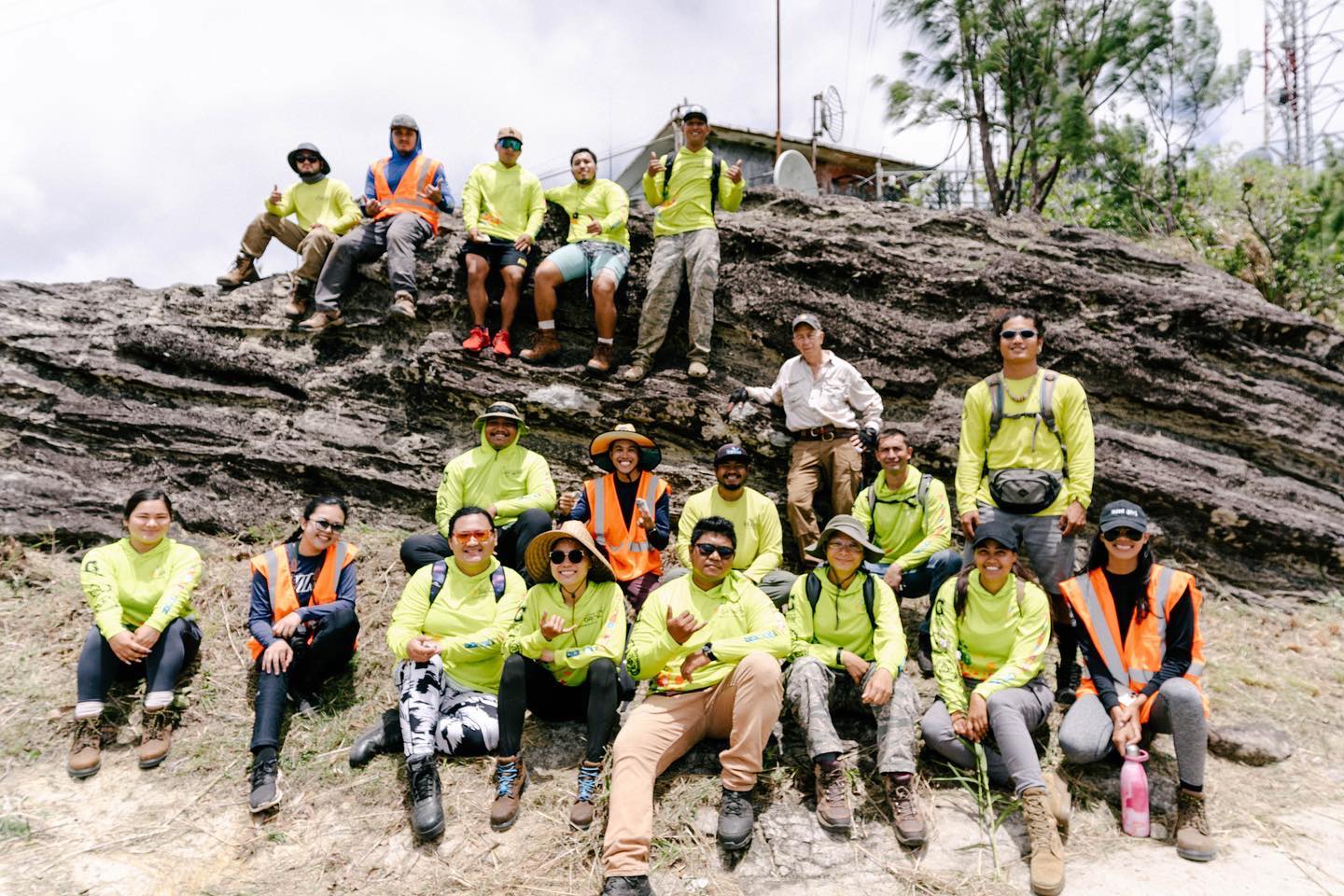
The call has sounded for a second crew of conservation stewards eager to further Guam’s progress in island sustainability and the emerging green economy.
The recruitment period for the second cohort of the Guam Green Growth (G3) Conservation Corps officially begins on January 10, 2022.
The G3 Conservation Corps is a five-month workforce development program that aims to advance and apply 12 corps members’ skills in the focus areas of agriculture and aquaculture, circular economy and zero waste, ocean conservation, invasive species management, reforestation and watershed restoration, energy conservation and renewable energy, and island beautification from March to August this year.
Corps members will have the opportunity to collaborate with and learn alongside teams from partnering government agencies and private organizations in support of various conservation initiatives throughout the island, while equipping themselves for a brighter future.
“The green economy is growing on Guam, and we want to help our community prepare for the emerging workforce through this program,” said Phillip Cruz, G3 Conservation Corps coordinator.
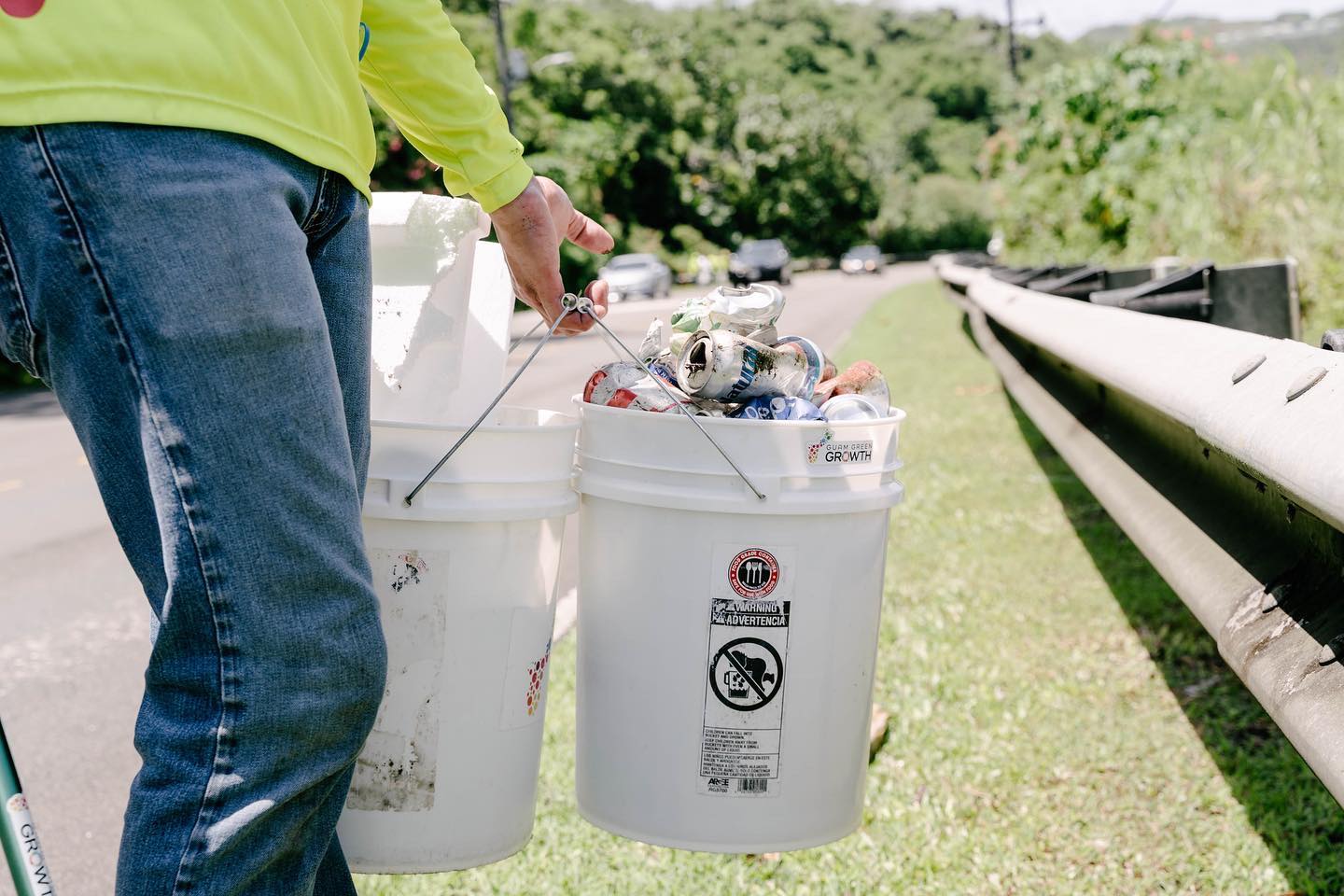
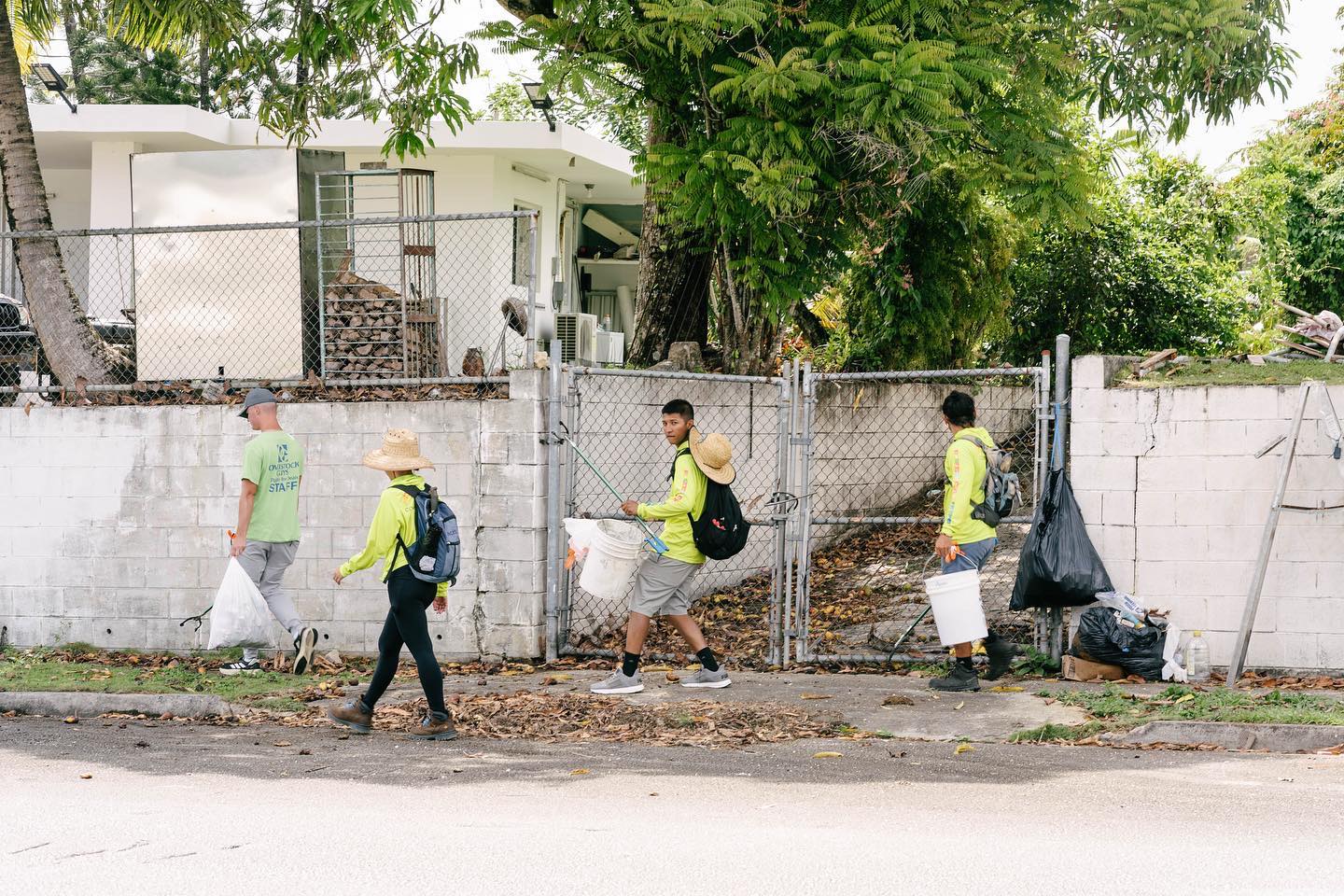
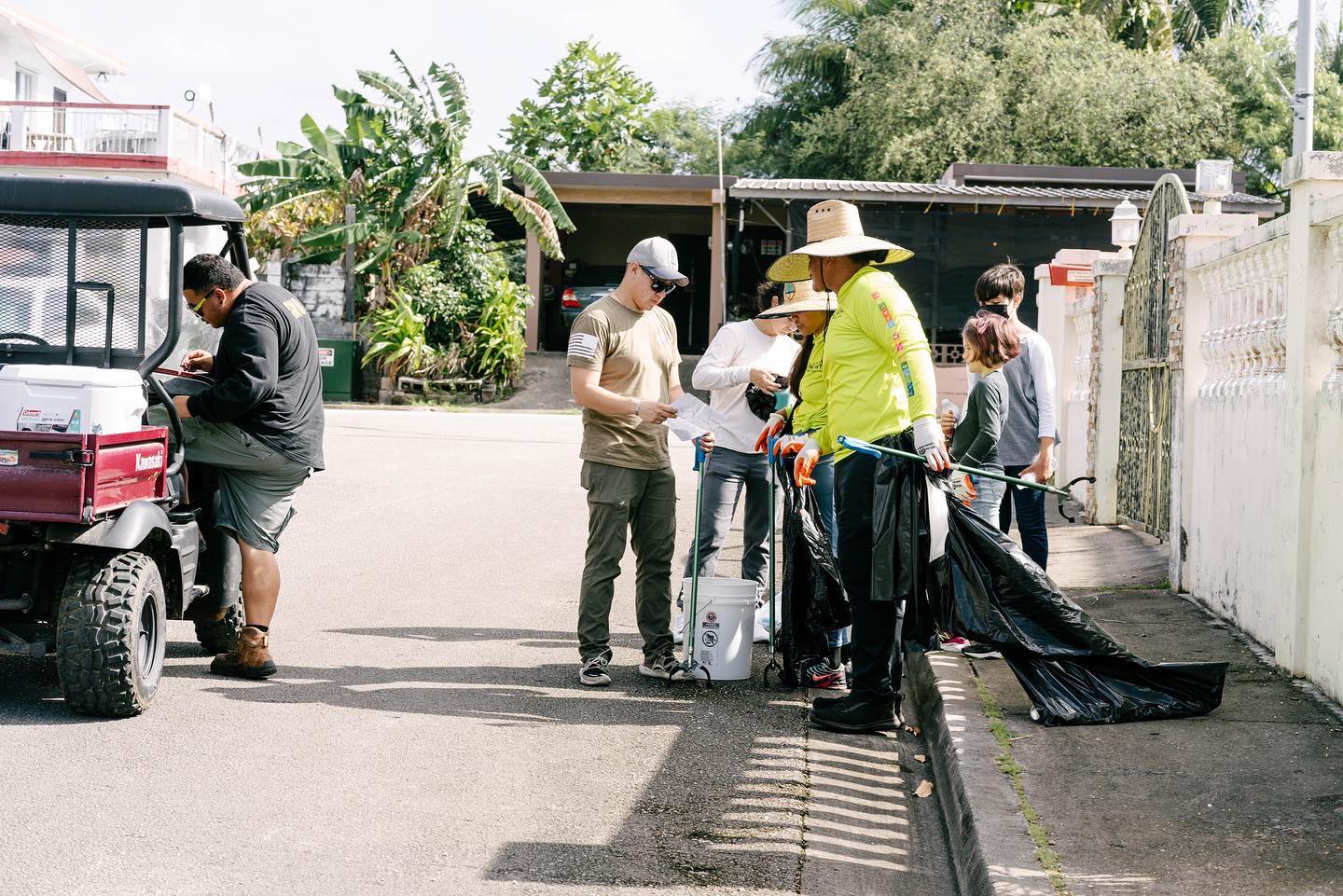
The first G3 Conservation Corps cohort made significant strides toward our sustainable future. They recycled over 70,000 aluminum cans, planted 2,000 food crops, collected hundreds of bags of illegally dumped waste from streets and jungles, planted 2,890 trees, installed 640 solar rooftop panels, and more.
“The inaugural G3 Conservation Corps cohort made incredible contributions to our island’s sustainability in 2021,” said Austin Shelton, director of the University of Guam Center for Island Sustainability and Sea Grant. “We are proud of what they contributed during the program and the sustainable actions they continue to make as trained citizens. This year, we look forward to a new group of conservationists who will serve our island and inspire our community.”
“We’re looking for individuals who are respectful, reliable, and aren’t afraid of hard work. If you would benefit from this workforce development program, please apply today. Share widely with your friends and family, who may also benefit from this program,” added Cruz.
How to Apply
Those interested in applying can submit their application through the G3 website at guamgreengrowth.org by Feb. 6, 2022.
Applicants must be at least 18 years old, have reliable transportation, and be U.S. citizens, nationals, or legal residents.
Selected applicants will be required to submit police and court clearances, purified protein derivative (PPD) skin test results, proof of full COVID-19 vaccination, submit to a drug test, and undergo a physical examination.
G3 Conservation Corps members will receive a biweekly stipend of $1,300. Members will earn up to 80 continuing education units from the university upon successful completion of the program.
The G3 Conservation Corps program is made possible through FY22 Guam Green Growth appropriation to the University of Guam.
About G3
Aligned with the 17 U.N. Sustainable Development Goals, the Guam Green Growth Initiative, or G3, cultivates an ecosystem for transformative action to achieve a sustainable, prosperous, and equitable future for Guam. The University of Guam facilitates the island-wide initiative in cooperation with the Office of the Governor of Guam and over 100 members of the G3 Working Group, representing all sectors of society.
###
INTHENEWS: G3 Conservation Coalition built to usher a more-sustainable community
#INTHENEWS: G3 Conservation Coalition built to usher a more-sustainable community
FROM KUAM.COM
#InTheNews – Our View: New Year is time for reflection
#InTheNews - Our View: New Year is time for reflection
Published in the Pacific Daily News
Photo by Rick Cruz
We enter 2022 as we entered 2021: under the shadow of a pandemic that continues to end lives and destroy livelihoods.
This is traditionally the time when we can reflect on what we, as a community, could have done better in 2021, and what we can do to make things better for everyone on the island in 2022.
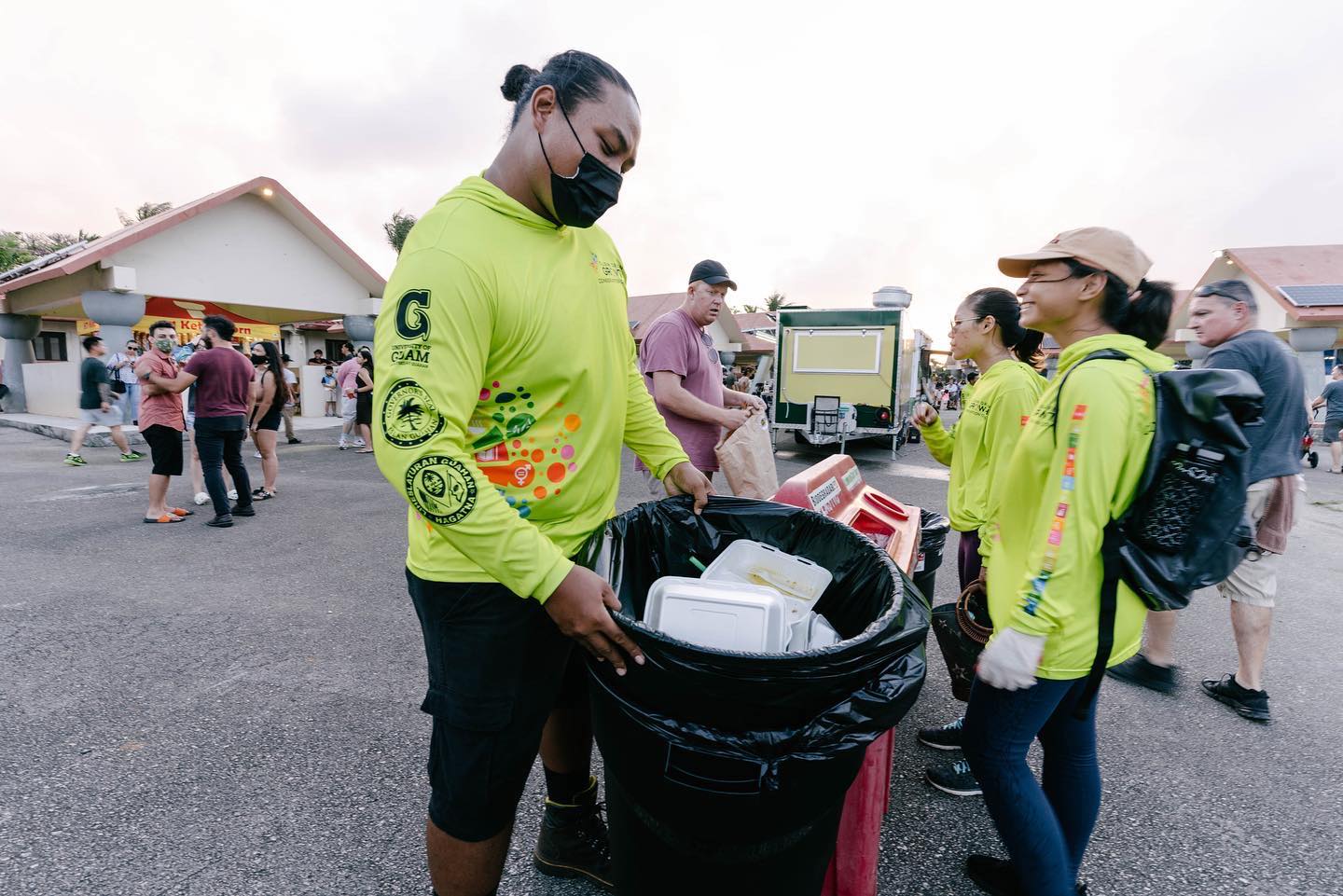
One of the bright spots of the year was the work done by Guam Green Growth, which worked to keep the island clean and promote sustainability. The group distributed reusable shopping bags, started a community garden in Hagåtña, graduated its first conservation corps and is getting ready to open a maker space in CHamoru Village…
#INTHENEWS: Guam Green Growth Makerspace and Innovation Hub to open at CHamoru Village
By Madison Scott
Pacific Daily News
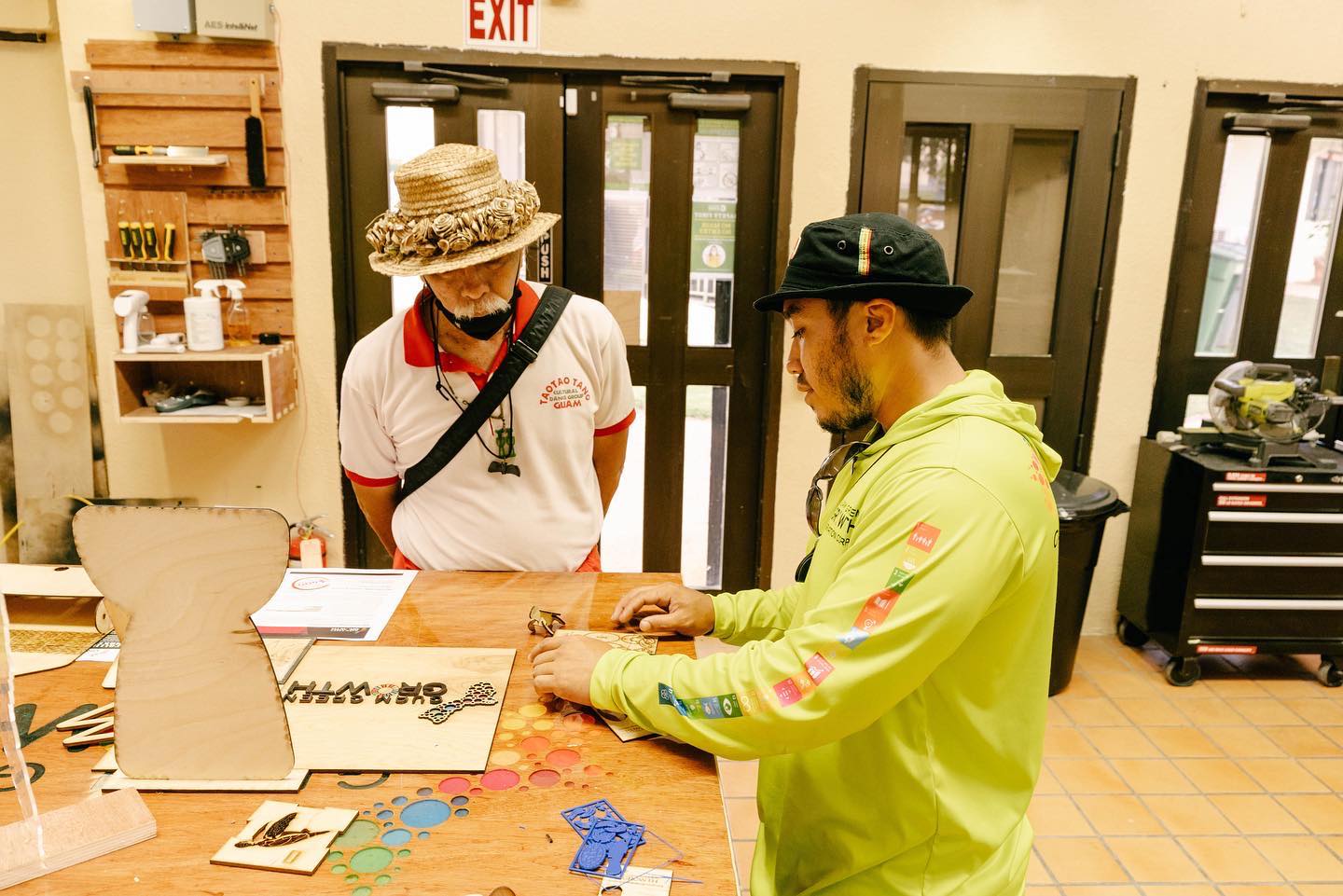
Creators and innovators of Guam, get ready for a new playground! The Guam Green Growth Circular Economy Makerspace and Innovation Hub is opening in a few short weeks in CHamoru Village in Hagåtña, and G3 circular economy coordinator Myracle Mugol is eager to get folks through their doors.
“We need a community, we need the collaborations. We already have the physical aspects of the machines and equipment to do the process. Now, we need to be able to have the thought leaders and the subject matter experts — and bring it to the community who want to learn, who wants to expand. And that’s going to happen through our hub. We’re going to be the one stop shop for all things circular economy,” Mugol said.
UOG Center for Island Sustainability and Sea Grant assist with aquaculture feasibility study with big implications for Guam’s future
The University of Guam Center for Island Sustainability and Sea Grant have been tapped to assist in a feasibility study that explores the potential of aquaculture as a viable industry on the island.
Hawai’i-based aquaculture expert Jim Wyban spoke about the study at the monthly aquaculture stakeholders meeting on Thursday, Dec 9, at the UOG College of Natural and Applied Sciences.
The Guam Economic Development Authority commissioned Wyban to develop the study with funding support from the FY 2019 EDA Disaster Supplemental grant.
The “Guam Aquaculture Industry Feasibility Study” components include site analysis and a conceptual design for an aquaculture center, which would be the first of its kind on Guam.
While on Guam, Wyban worked with UOG Sea Grant aquaculture extension specialist David Crisostomo. They visited several potential sites for the center and conducted meetings with stakeholders.

“I am trying to learn as much as I can about aquaculture on Guam — what happened in the past and what’s possible for the future. In addition, we are looking at sites that are possibilities for this concept, which will be a Guam Aquaculture Innovation Center,” Wyban said.
He added that the facility would be like the Fadian hatchery but on a larger scale. “It is focused on innovation in aquaculture, using and demonstrating, adapting to and developing the newest technologies.”
Wyban said he is modeling the proposed facility to the Hawai’i Ocean Science and Technology Park. “Basically, it is a state-owned facility that subleases sites within the facility to commercial companies. There are like 35 aquaculture companies down there,” he said.
The park is administered by the Natural Energy Laboratory of Hawai’i Authority, whose mission is to develop and diversify the Hawai’i economy by providing resources and facilities for energy and ocean-related research, education, and commercial activities in an environmentally sound and culturally sensitive manner.
At the meeting, several speakers also touched on the local and federal permitting requirements for an aquaculture business or facility on Guam. Wyban said that having a streamlined permitting process is crucial to attracting potential investors to the local aquaculture industry.
According to Wyban, the feasibility study will be completed by March 2022.
The UOG Center for Island Sustainability and Sea Grant have been working to develop aquaculture opportunities on Guam, recently completing setup and fish introduction at the first community aquaculture system at Island Girl Power in Dededo.
The group has held training sessions with stakeholders and partners and plans to set up aquaculture systems at various community centers and non-profit organizations as a continuation of the program in the coming year.