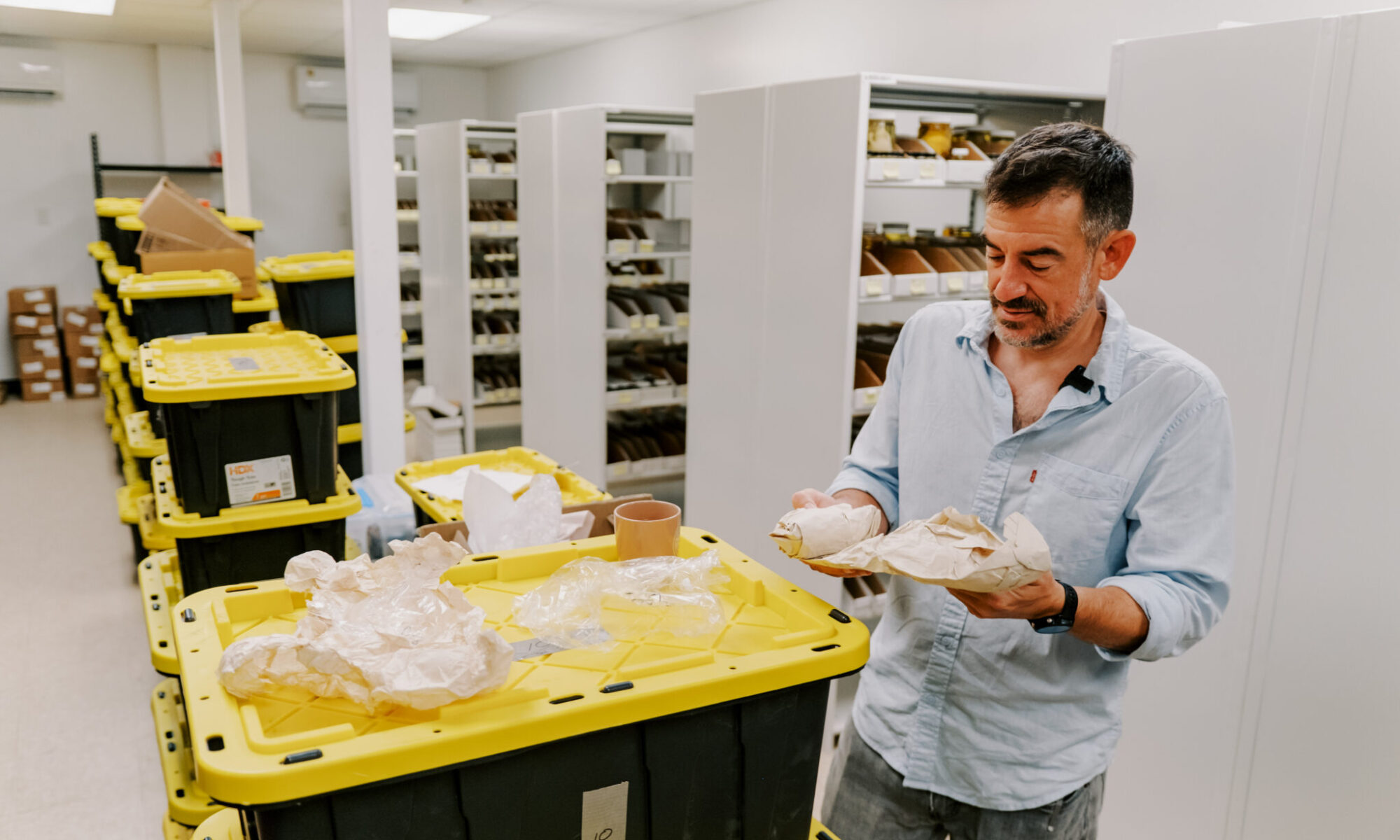
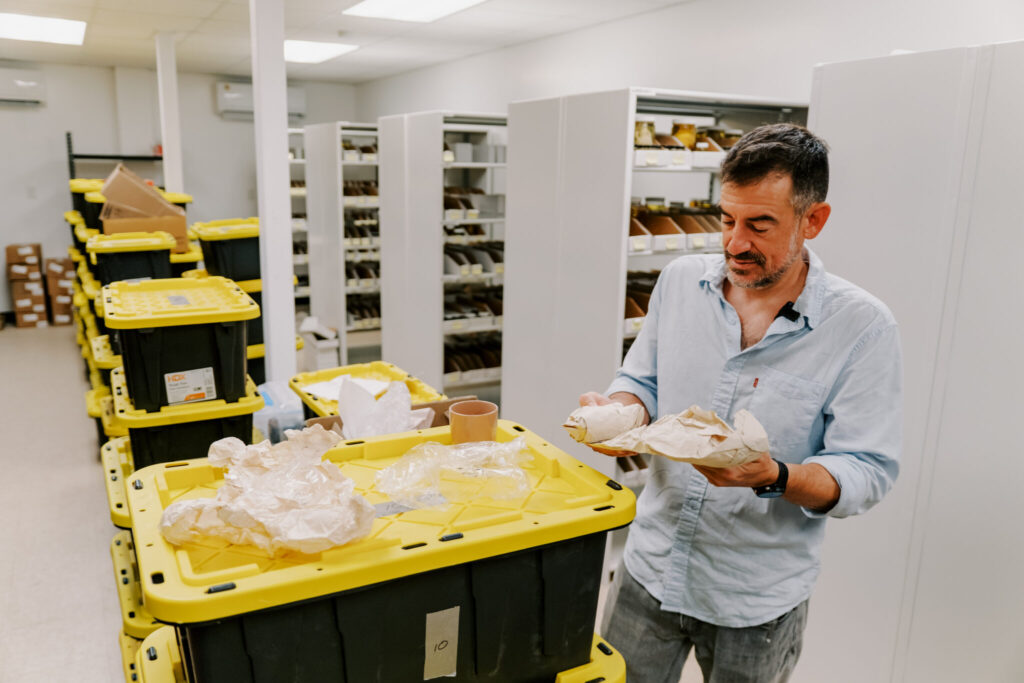
Guam Green Growth Conservation Corps clears path for youth at Island Girl Power

Uncategorized

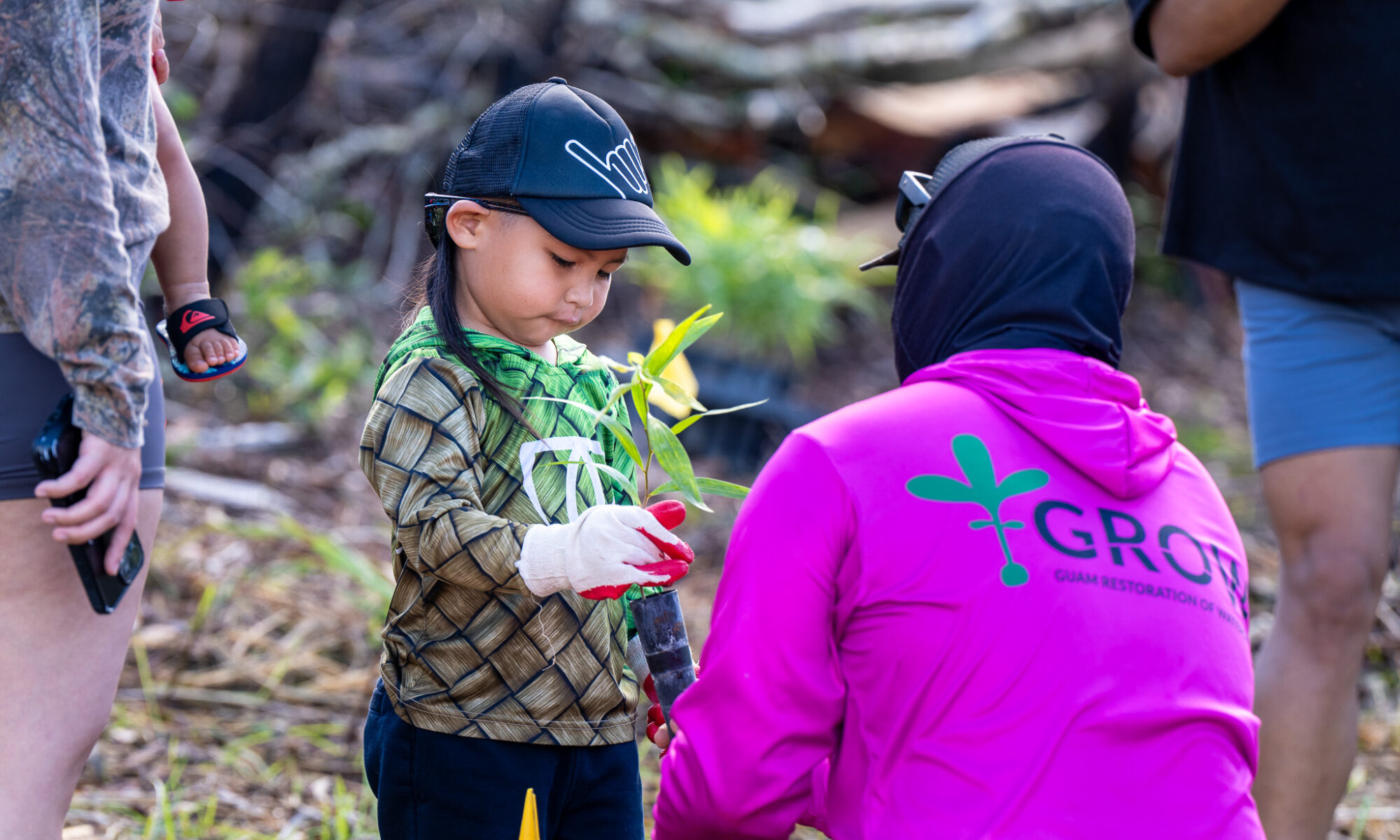
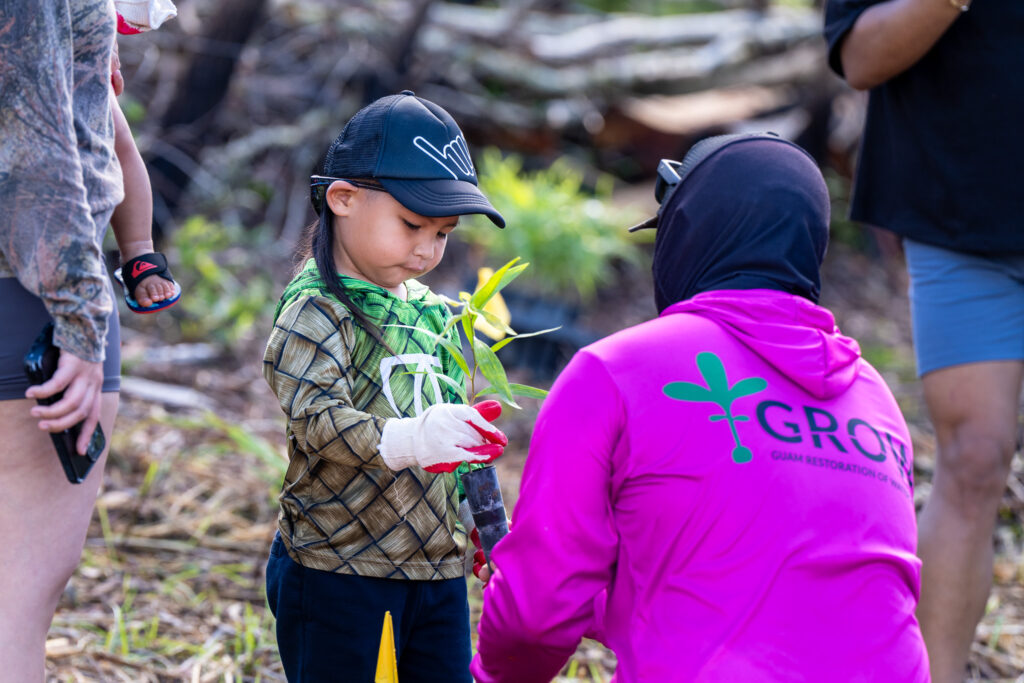
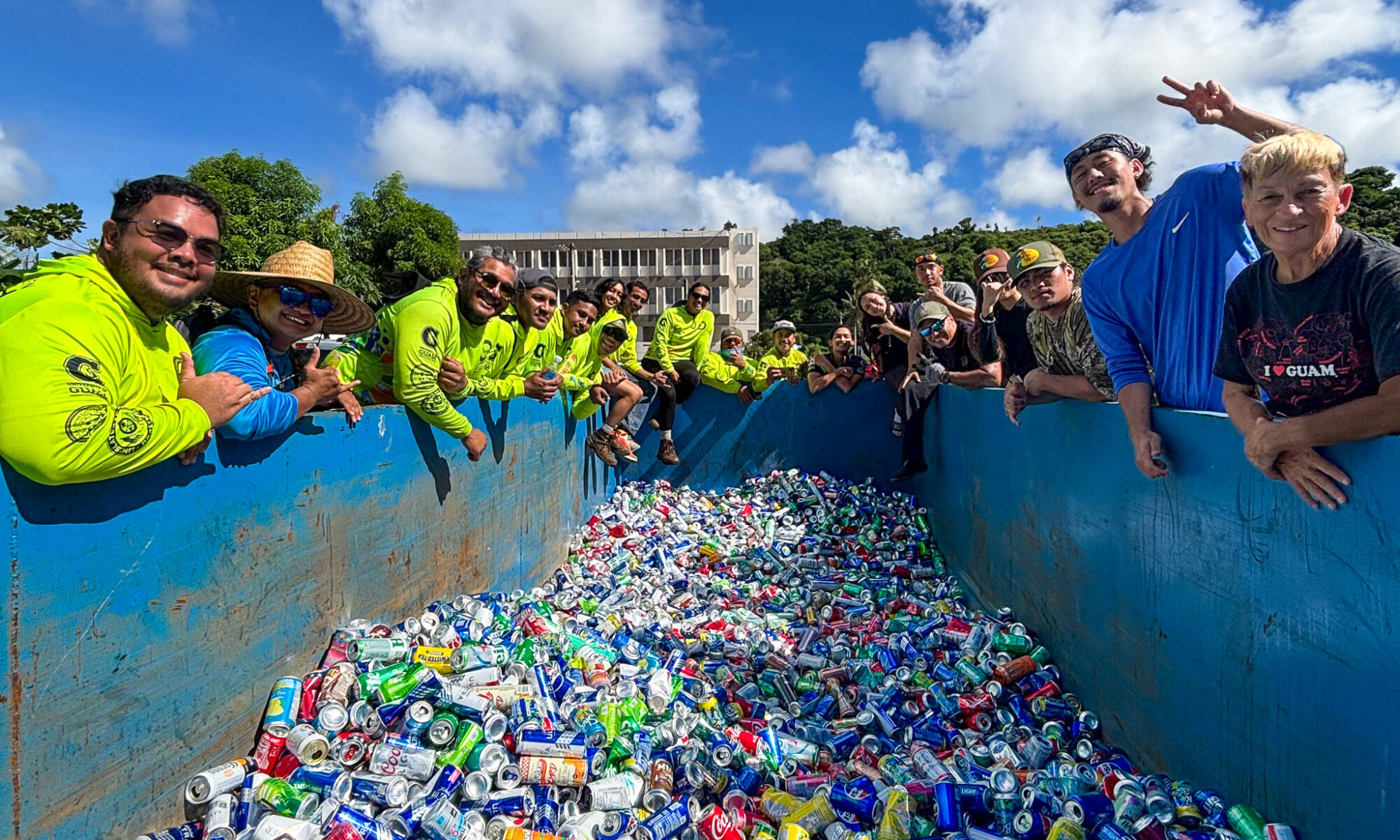
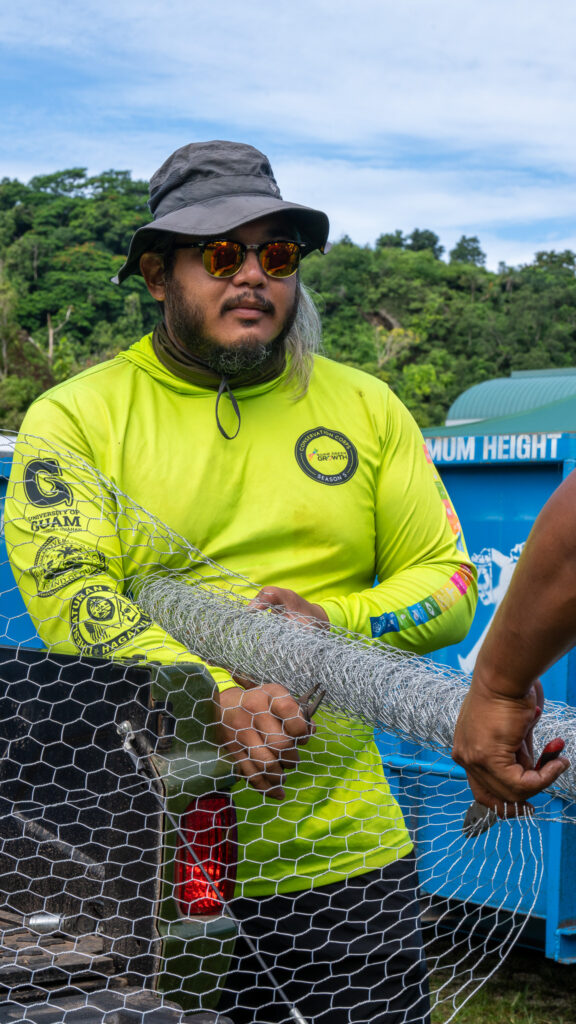
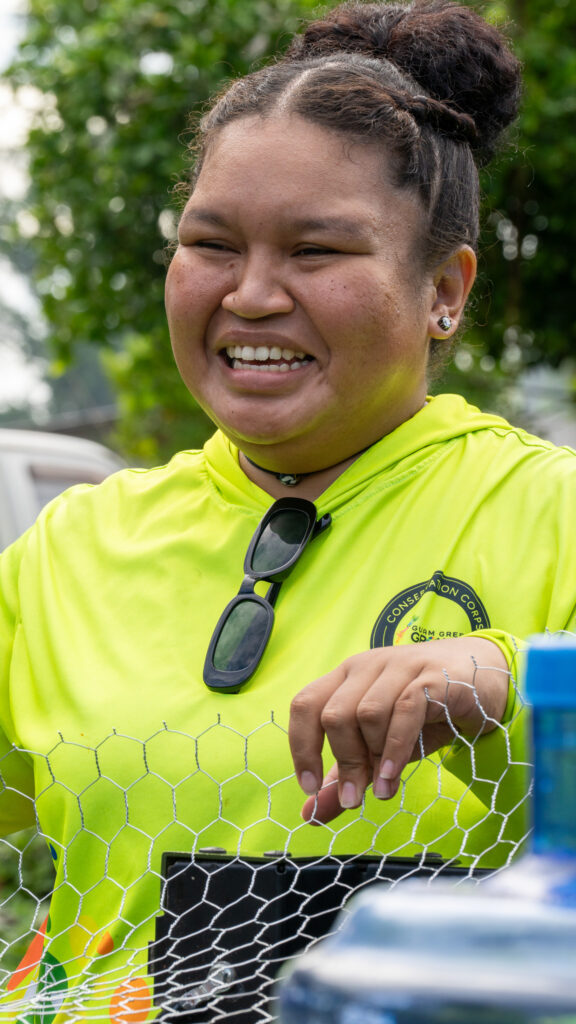
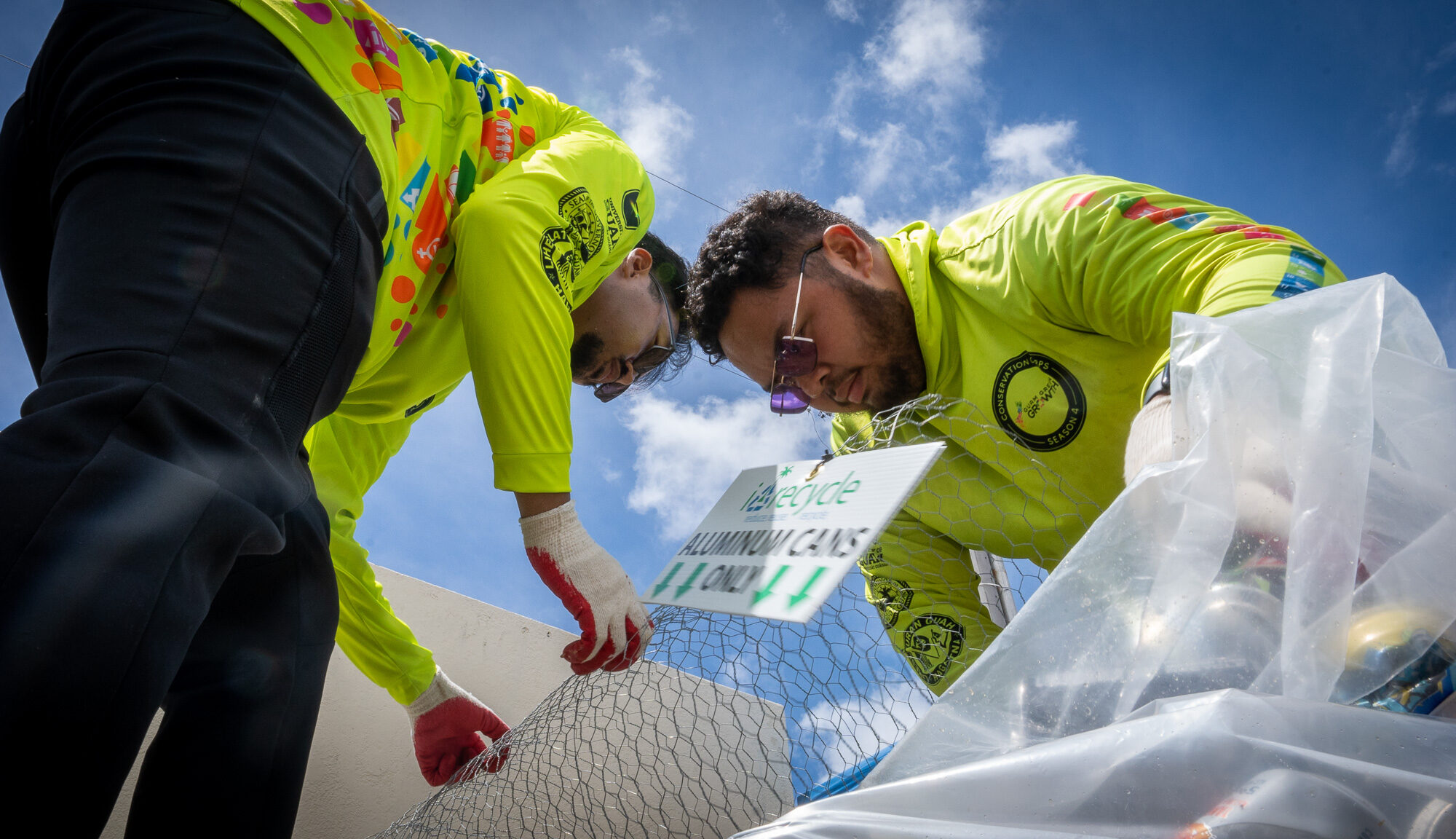
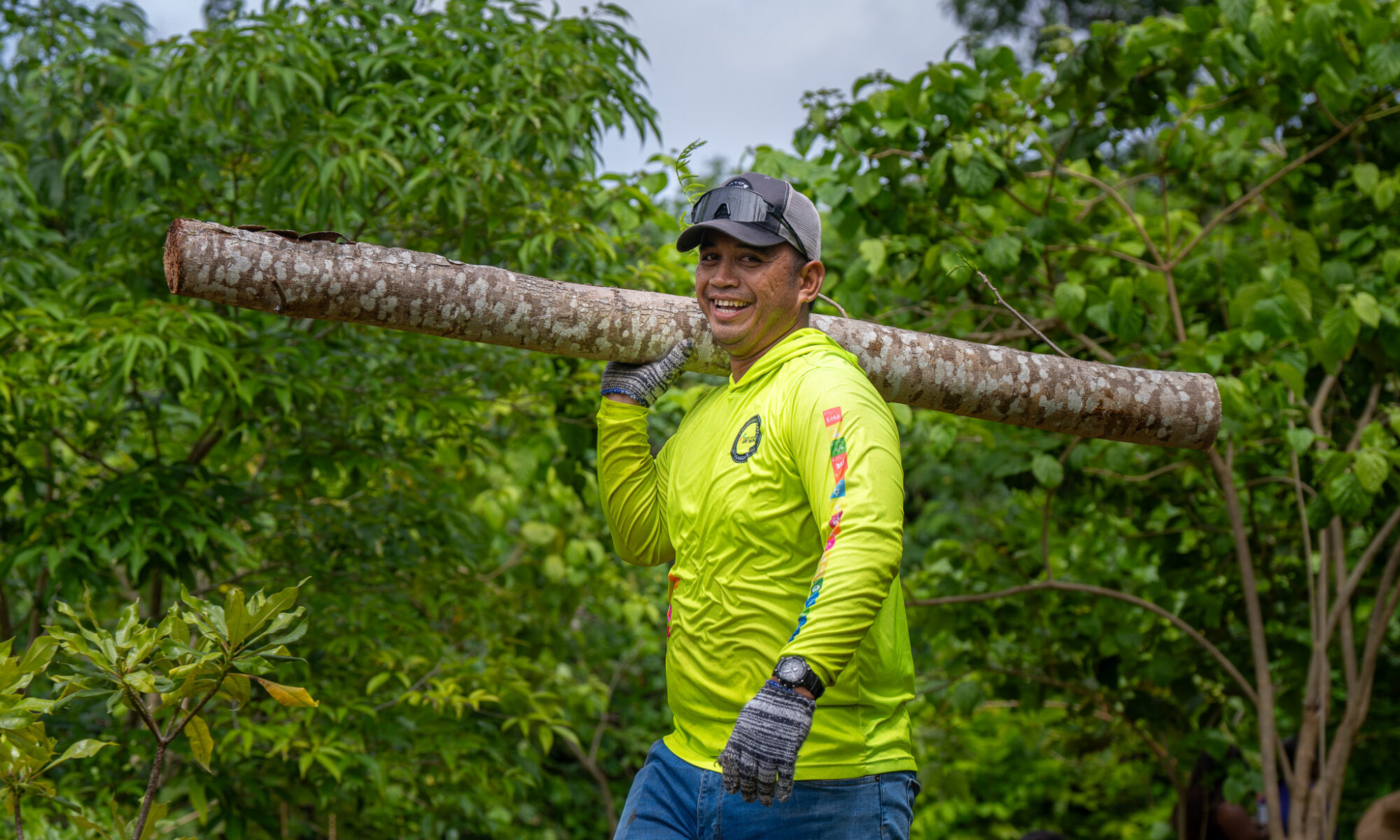
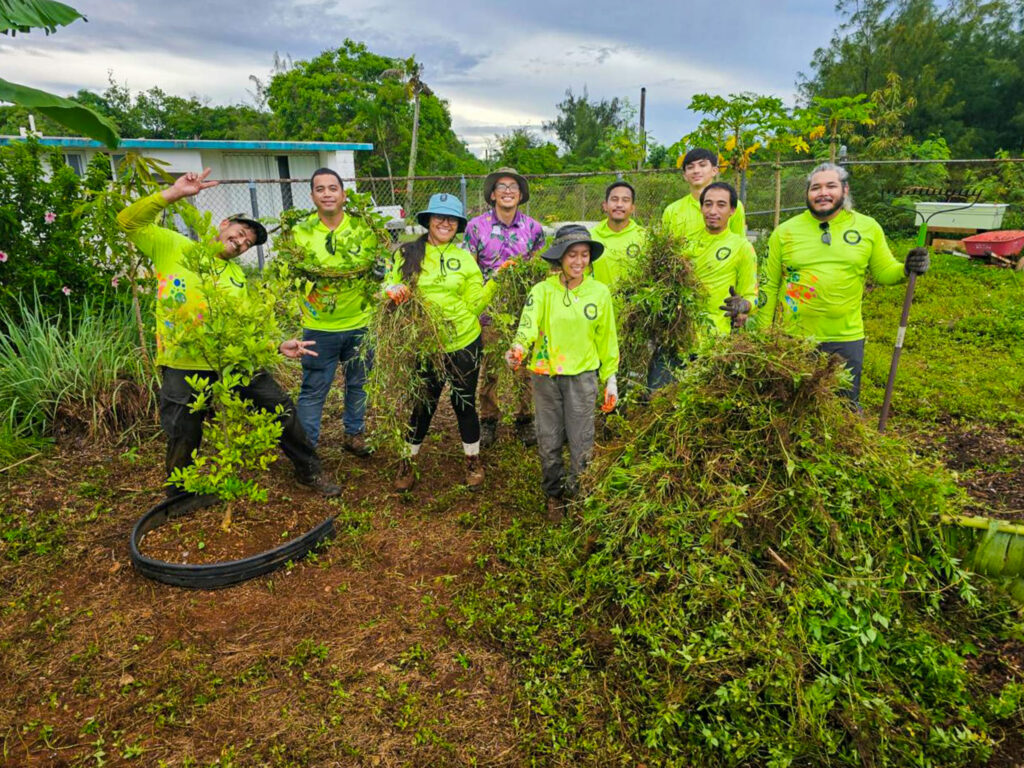
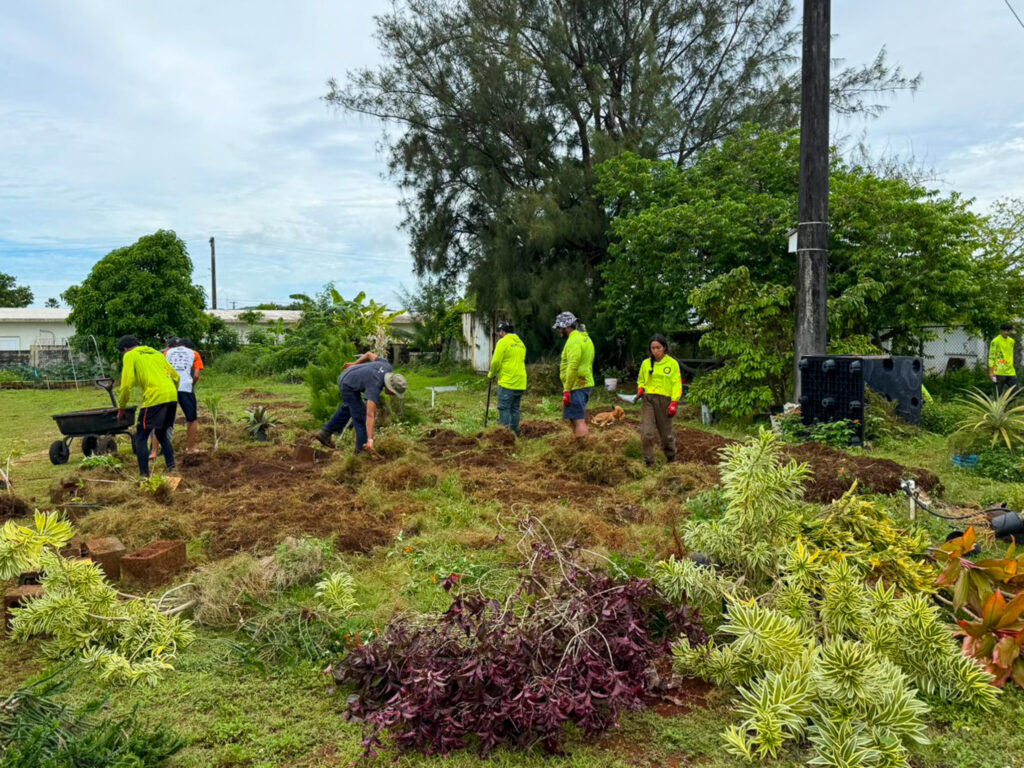
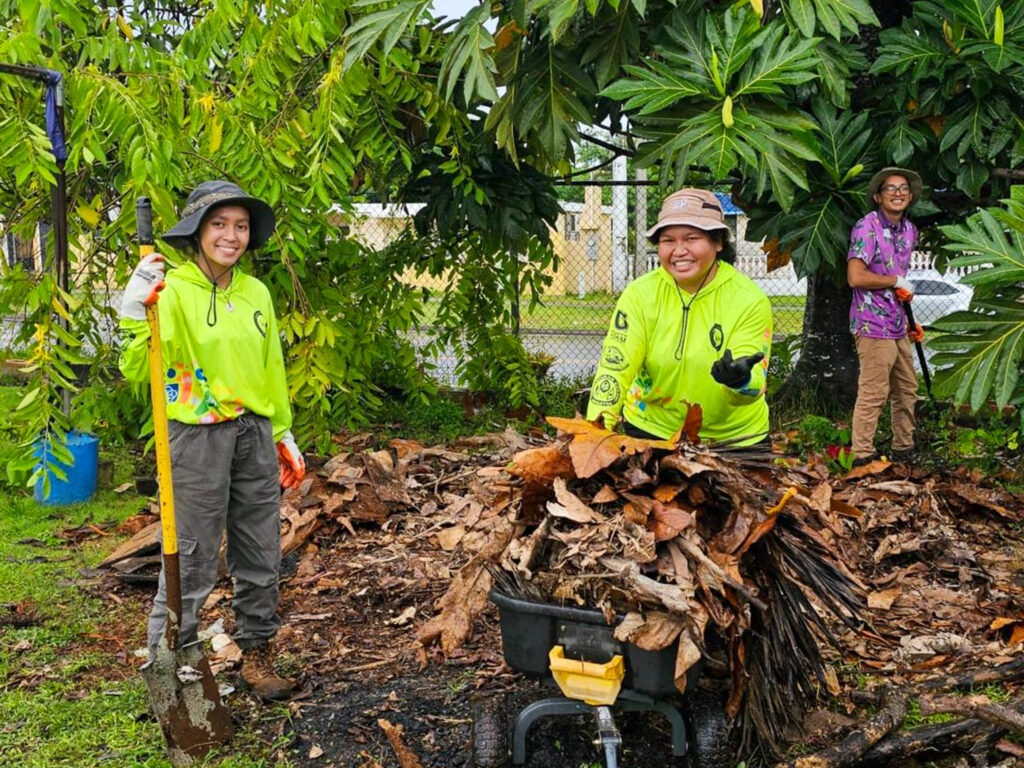
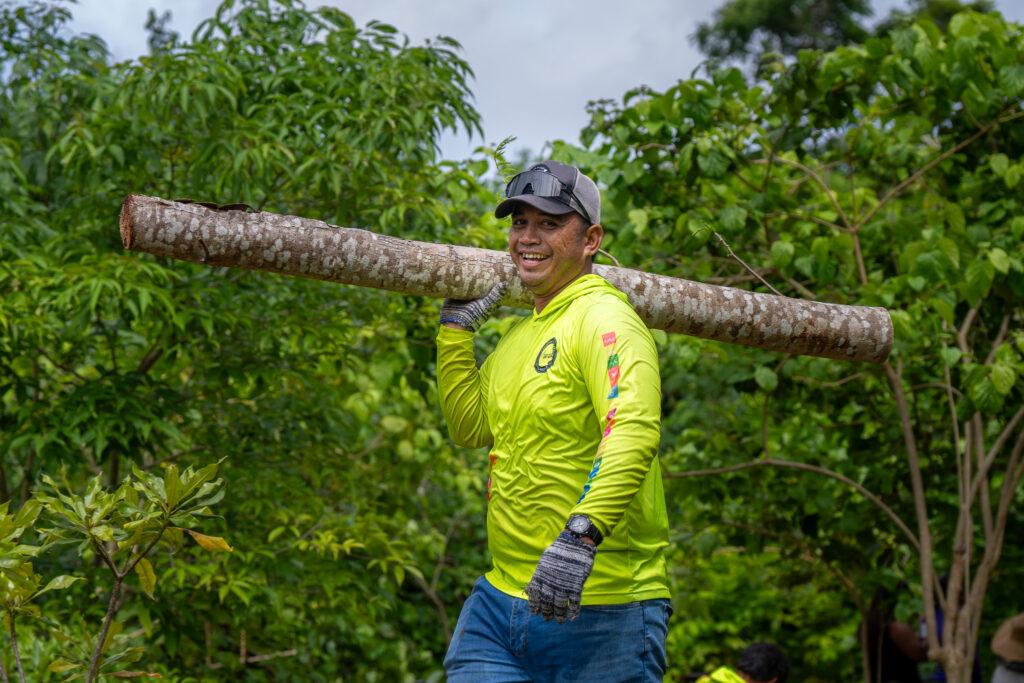
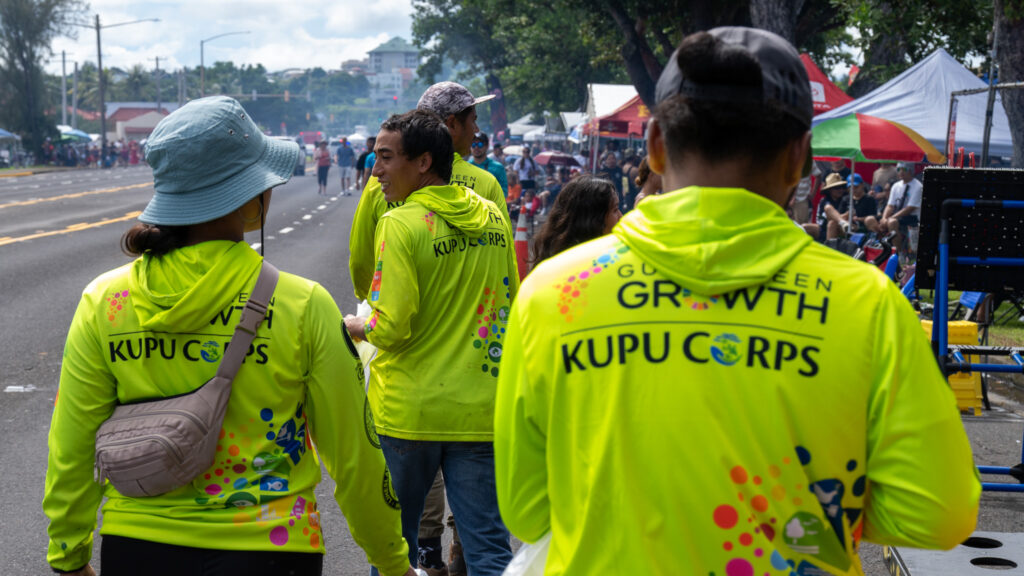
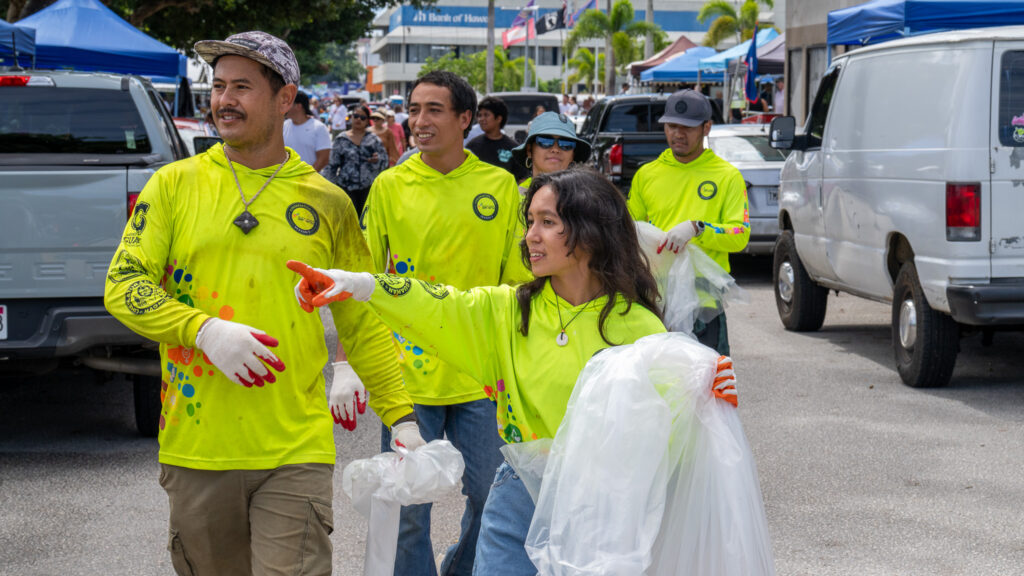
The Guam Green Growth Conservation Corps (G3CC) spent the week with Island Girl Power (IGP), a non-profit organization based in the village of Dededo which focuses on empowering young girls and their families, and a sustainability partner determined to teach the importance of food security through its community gardens and other activities.  

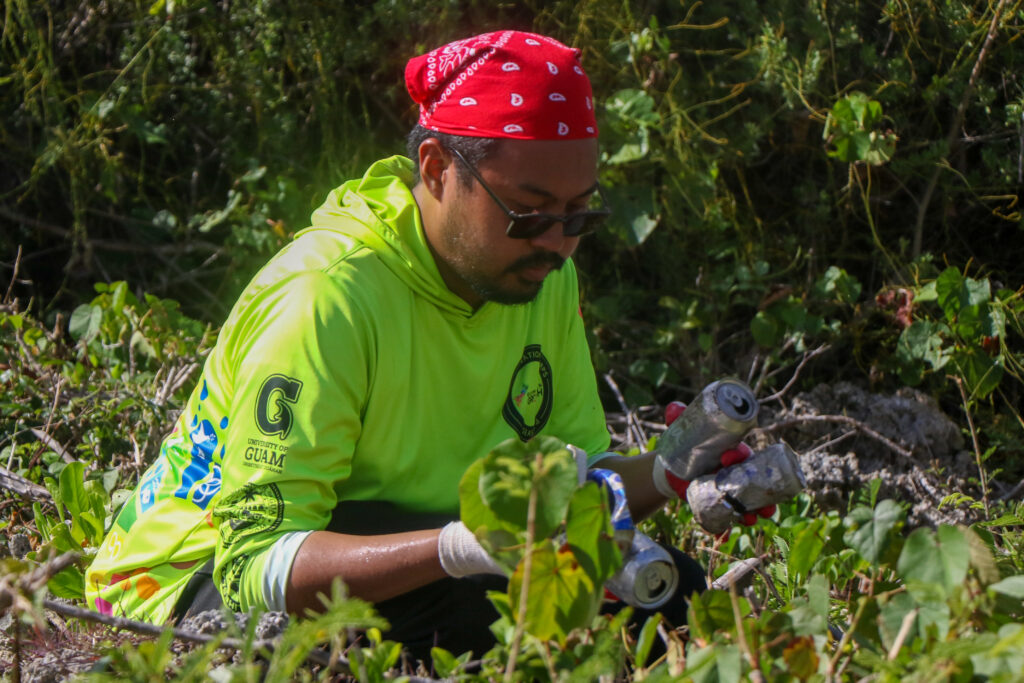
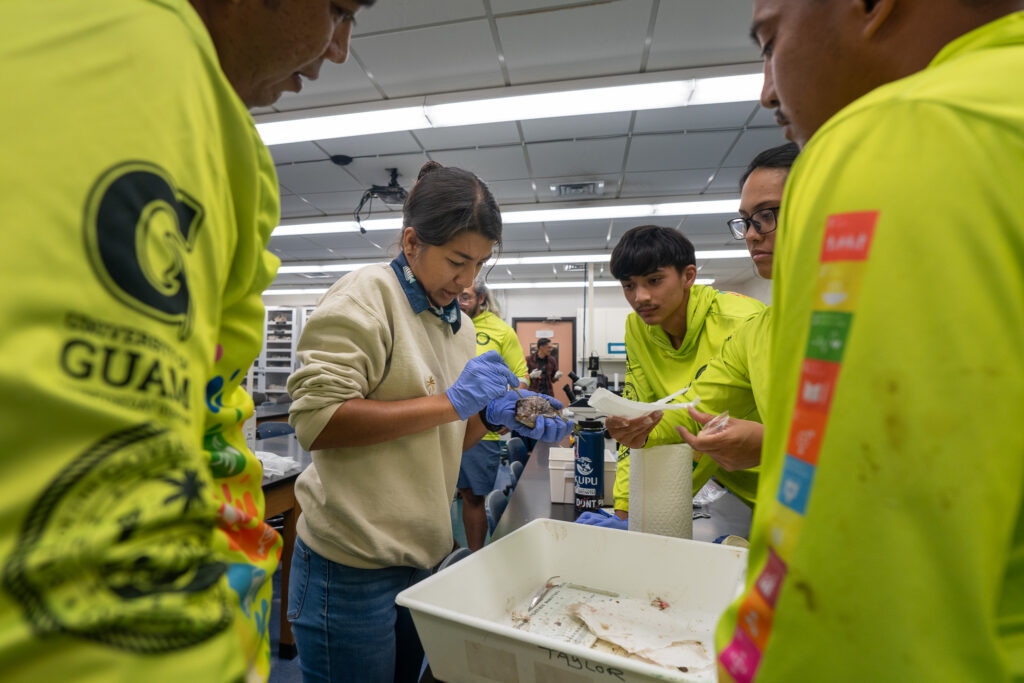
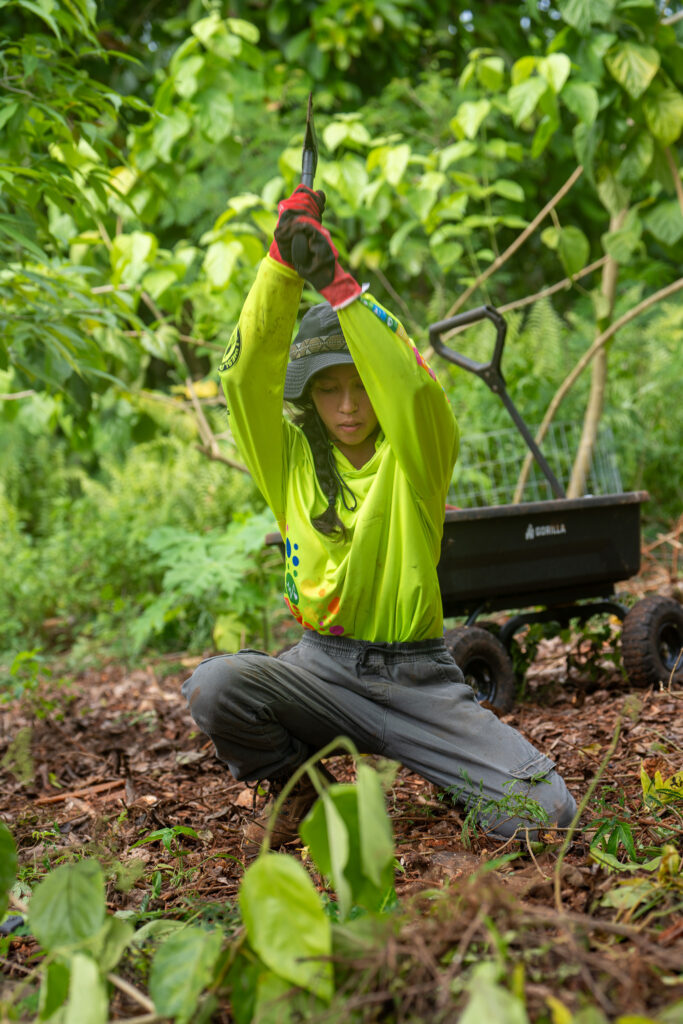
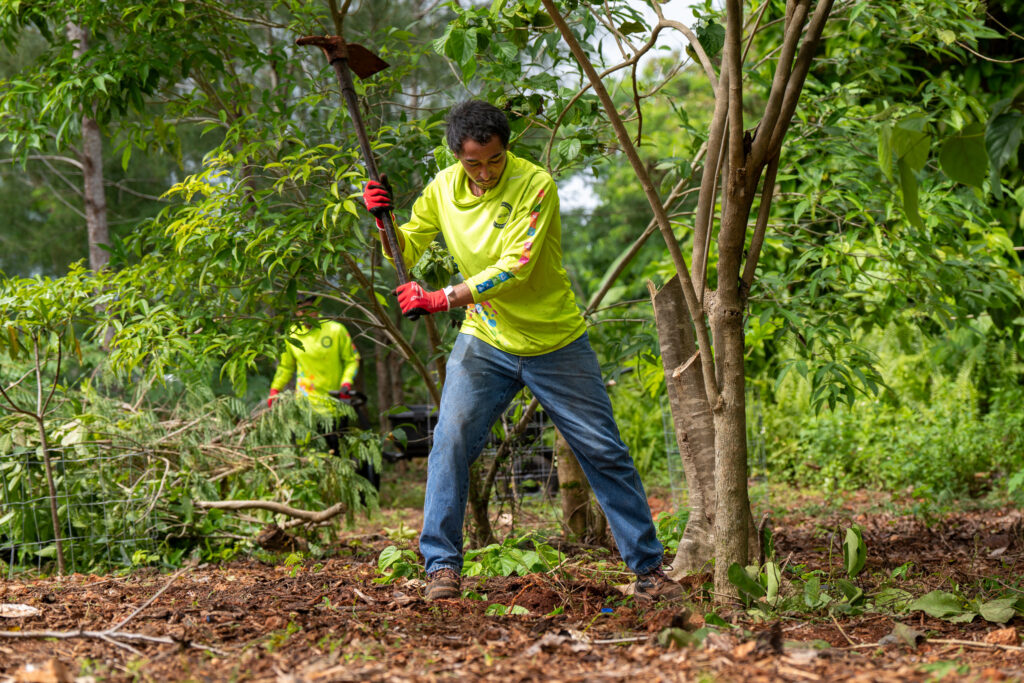
While at the Dededo facility, the G3CC learned about agroforestry, a form of agriculture relative to cultivating and conserving trees, how to identify native plant species via the iNaturalist app, and even lent a hand in IGP’s community garden to ensure fresh fruits and vegetables are available to the surrounding community.  

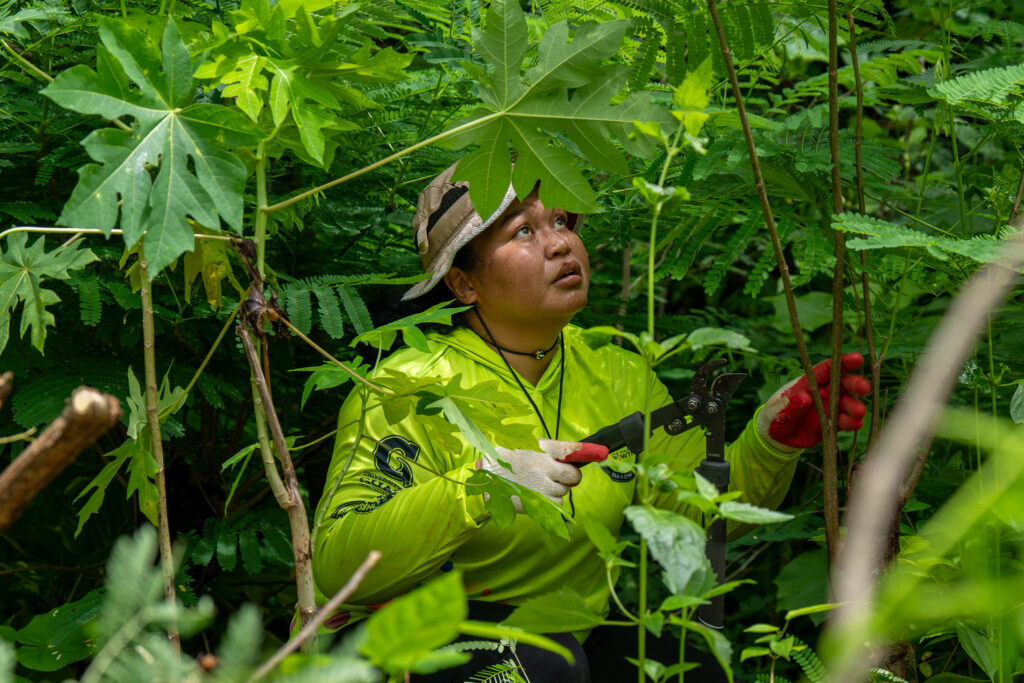
Despite scattered showers throughout the week, nothing could dampen to the spirits of the G3CC who managed to transform a portion of the IGP property from a wild jungle brimming with an overgrowth of invasive plant species to a freshly landscaped space ready for native plants. Among these invasive species removed were Leucaena leucocephala and Spathodea campanulata, two invasive species of tree, and Antigonon leptopus, most known as the Chain-of-Love vine.  

For the G3CC, the time spent with IGP was a fruitful one ripe with new ideas and skills geared toward a more sustainable community. For some members of the cohort, the fruits of their collective labor is further sweetened in the helping of IGP and the entire island to further empower young girls and their families to envision a greener Guam.  

Budding scientists tackle real-world challenges at UOG INCLUDES STEM Symposium

Uncategorized

Three high school students earned top honors at the 2025 NSF INCLUDES Supporting Emerging Aquatic Scientists (SEAS) Islands Alliance STEM Symposium, where they presented innovative projects tackling some of Guam’s pressing environmental and ecological challenges.

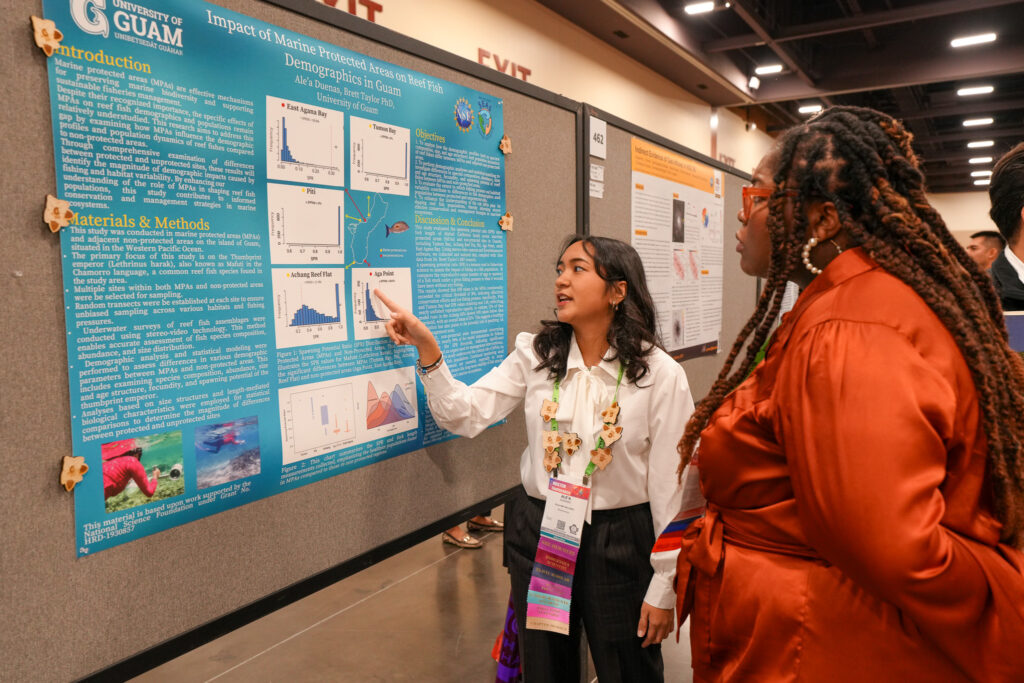
Held at the University of Guam School of Business and Public Administration, the symposium featured posters from a total of six high school students. Their topics ranged from invasive species, waste recycling to biodiversity — each project highlighting the real-world applications of STEM education in island communities.

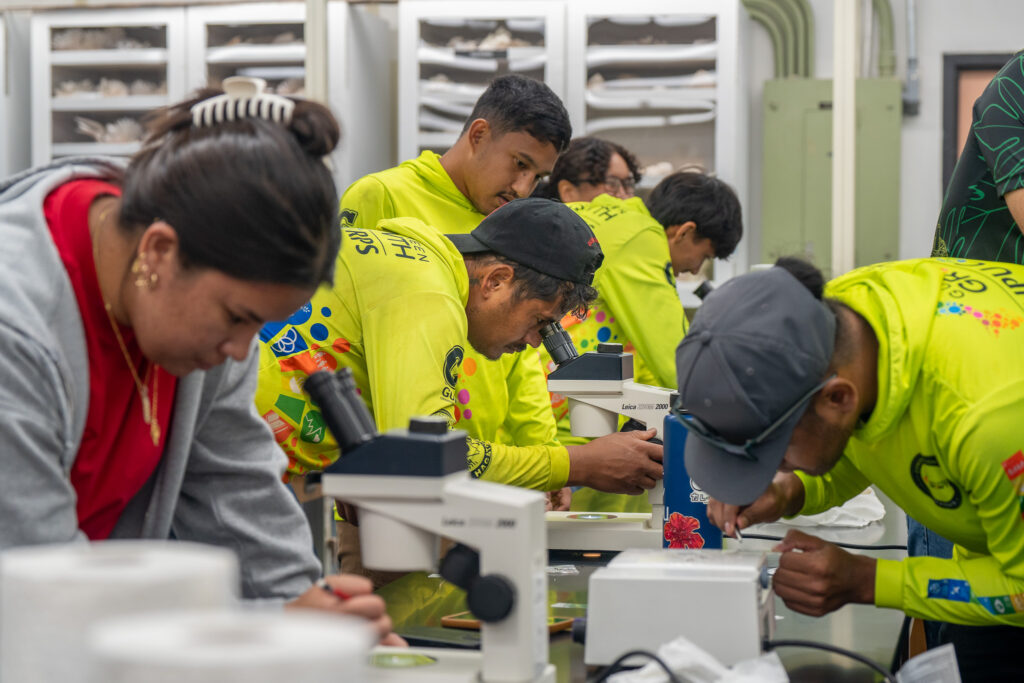
The students were part of the STEM High School Summer Internship Program, an initiative supported by the NSF INCLUDES SEAS Islands Alliance. Over the course of the summer, they worked alongside mentors to develop and conduct their own scientific projects. 

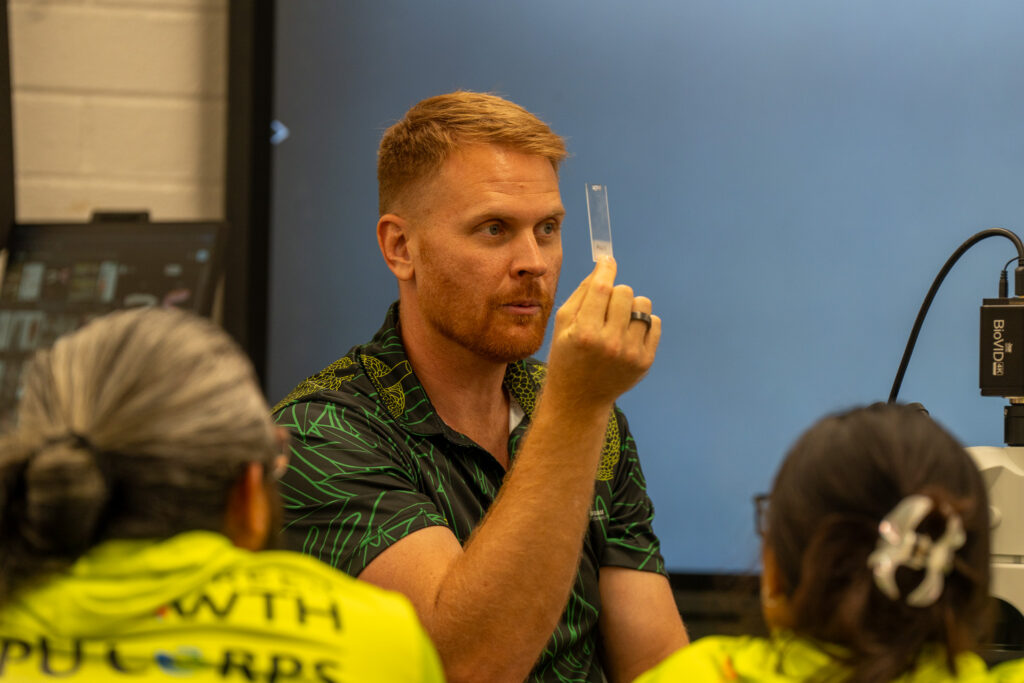
Speaking to the interns, UOG Center for Island Sustainability and Sea Grant (UOG CIS & Sea Grant) Director Austin Shelton, Ph.D., emphasized the value of their experience. “What’s really great about your high school internship is that you’re getting place-based education with very top-tier science, and that is something that you can bring with yourself anywhere in the world,” Shelton said. “What you have earned this summer is a National Science Foundation-funded summer internship—that’s something that you’ll be able to put on your college applications.”

Cheryl Sangueza, Ph.D., co-principal investigator for NSF INCLUDES SEAS Islands Alliance Guam and lead for the capacity building team at the UOG CIS & Sea Grant, said that this is the culminating event for the high school interns of the program.
Here are the high school interns who placed in the symposium:

1st Place: Marley Aldan (Junior, Tiyan High School)

Project: “It’s Getting Sticky: Comparing Seed Adhesion to Natural vs. Synthetic Materials”
Mentor: Else Demeulenaere, Ph.D.

Aldan explored a common but overlooked cause in the spread of invasive species— different types of clothing. Her project focused on how seeds from the invasive plant Bidens alba stick to various fabric types. Testing materials like polyester, spandex, cotton, and linen, Aldan found that natural fabrics tend to collect more seeds than synthetics.

“By doing this I am hoping to see which clothing materials people shouldn’t wear outside so they can lessen the spread of Bidens alba because it is an invasive species on Guam that takes over its environment,” Aldan said. 

Aldan’s research suggests that even small choices, like what we wear, can impact Guam’s biodiversity. She recommends future studies explore seed retention rates to better understand how seeds drop and travel from one area to another. Her research also suggests that containing invasive species like Bidens alba increases the chances for native species to thrive and helps protect biodiversity.


2nd Place: Caleb Ngiratereged (Senior, Simon Sanchez High School)

Project: “Effect of Waste Tire Rubber in Cement-Based Mortar”
Mentor: Ernesto Guades, Ph.D.

Faced with a growing tire waste problem on Guam—where an estimated 120,000 scrap tires are produced each year— the project examined whether shredded tire rubber could be safely incorporated into cement-based mortar.

By testing 15 concrete specimens with varying amounts of tire rubber (0%, 2.5%, and 5%), Ngiratereged discovered that while the compressive strength slightly decreased with more rubber content, this method still shows promise for non-load-bearing applications.

“Around Guam there is a lot of wasted tires, just dumped on the side of the road. I proposed that we use tire rubber in cement-based mortar to increase the strength of it, as well as for sustainability,” Ngiratereged said.


3rd Place: Ashley Castaneda (Senior, John F. Kennedy High School)

Project: “Taxonomic Reassessment of Two Mastogloia Species: M. baldjikiana and M. indonesiana”
Mentor: Christopher Lobban, Ph.D.

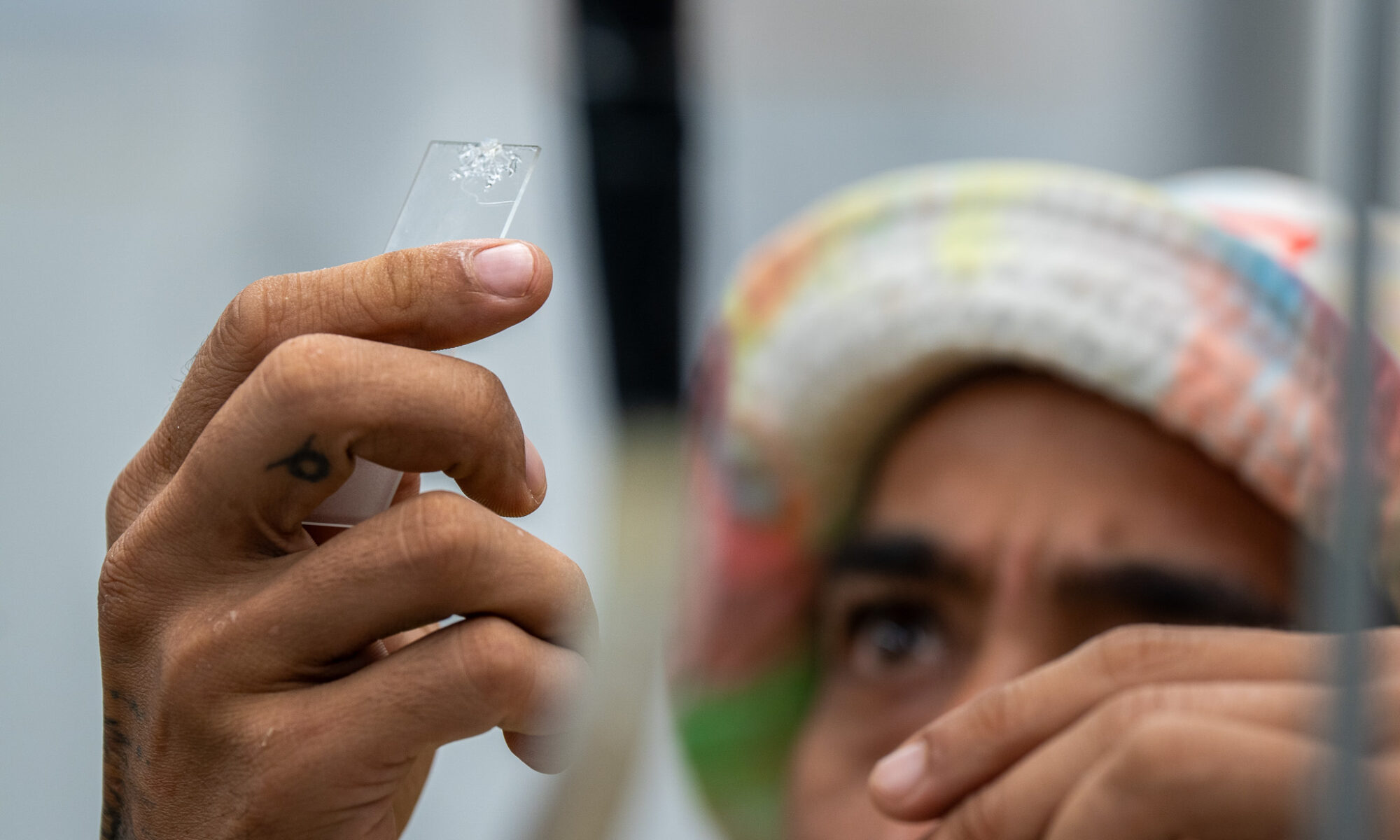
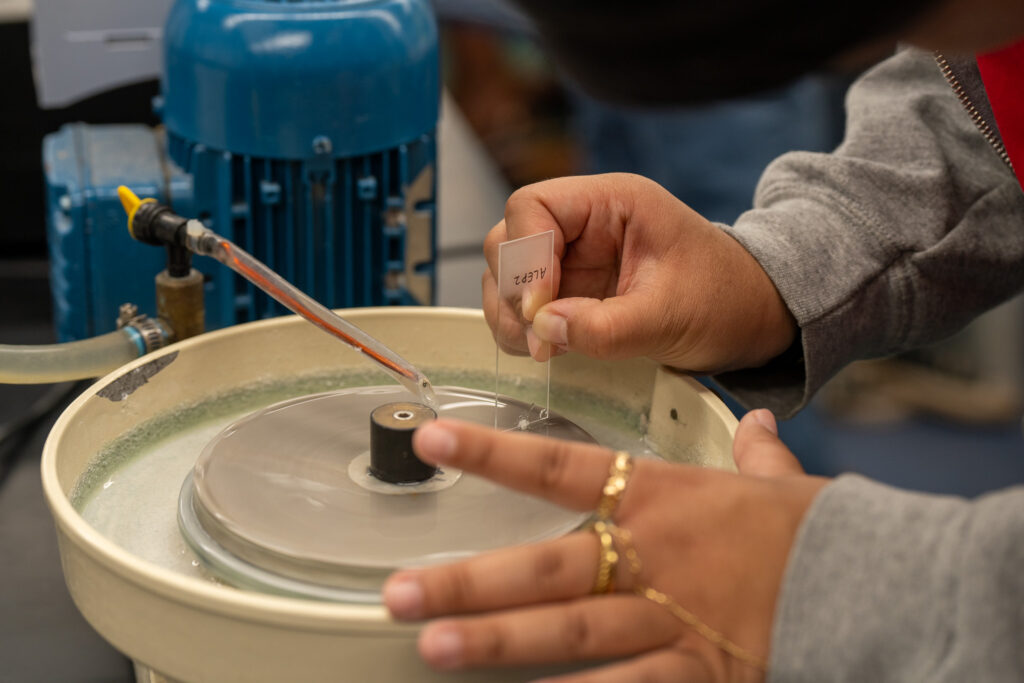
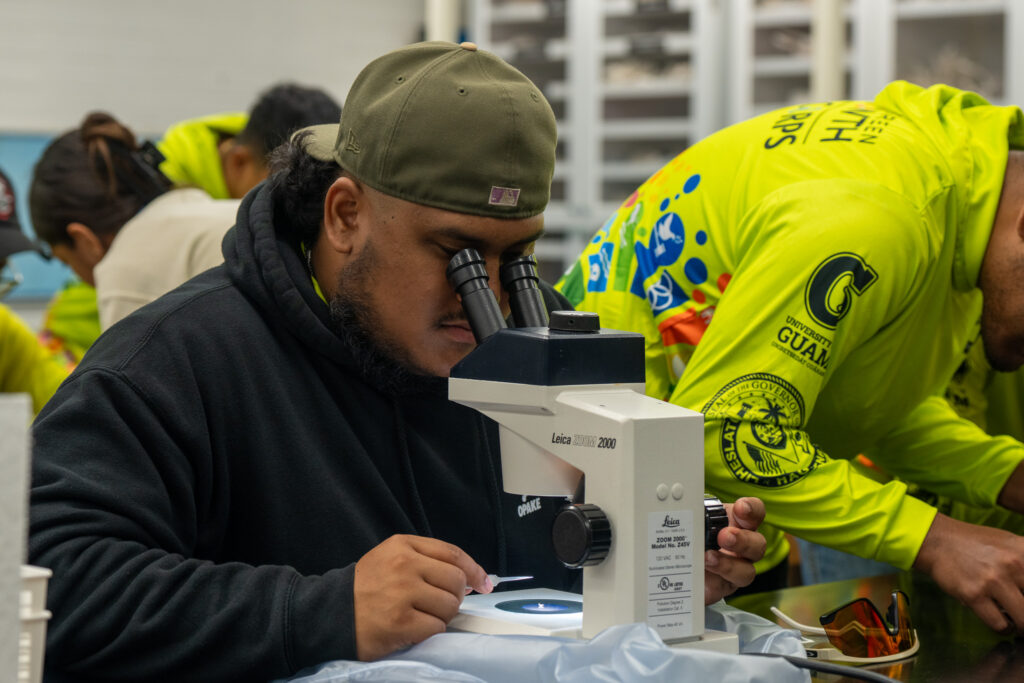
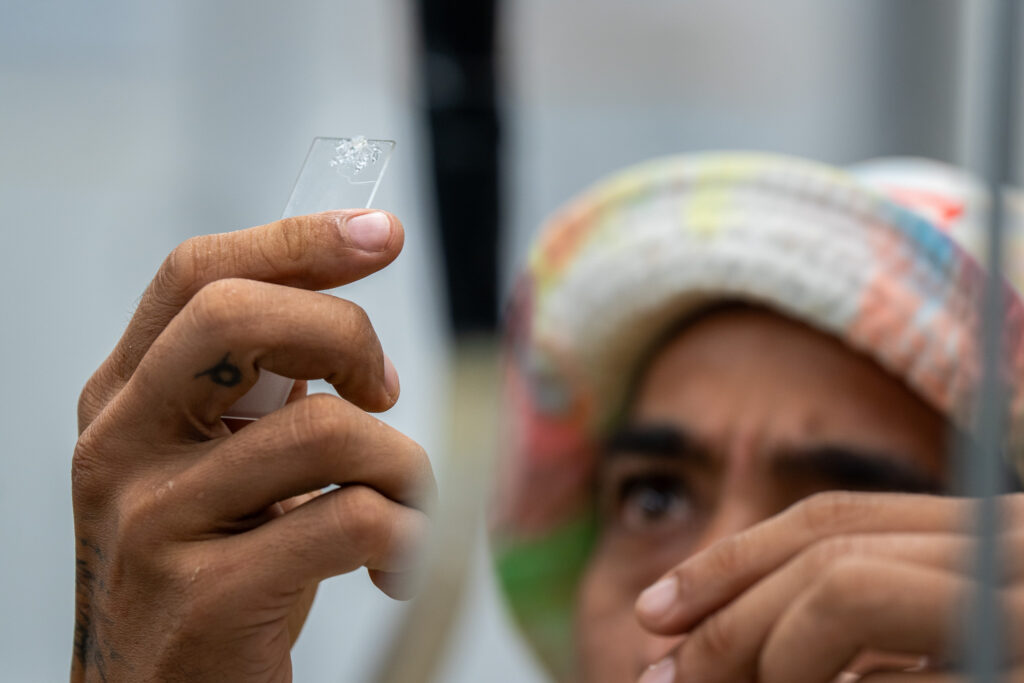
Castaneda investigated the microscopic world of diatoms—photosynthetic, plant-like microorganisms important to aquatic ecosystems. Her research focused on the taxonomy of two closely related diatom species: Mastogloia baldjikiana and Mastogloia indonesiana.

Using light and scanning electron microscopy, Castaneda compared diatom samples with historical records, finding no trace of M. baldjikiana.

Instead, she found that evidence pointed to the samples being M. indonesiana, suggesting a possible misidentification in previous scientific studies.

On winning third place, Castaneda said, “This is my first science fair and my first award from a science fair. I am grateful to have been given this opportunity.” 

The internship program has opened research opportunities for students on the island who are interested in various science fields, including botany, ecology, marine biology, sustainability, and other areas of environmental science.

UOG School of Engineering research at G3 Makerspace explores plastic as construction material

Uncategorized

The Guam Green Growth (G3) Circular Economy Makerspace & Innovation Hub is collaborating with Ernesto Guades, Ph.D., an assistant professor at the University of Guam School of Engineering, on a research project exploring how certain types of recyclable plastic can be prototyped into construction materials.

According to Guades, the project received funding through the Pacific Regional Integrated Sciences and Assessments (Pacific RISA) Economic Valuation of the G3 Initiative, a program administered by the UOG Center for Island Sustainability and Sea Grant.

The broader goal of the economic valuation is to assess and quantify the economic impact and return on investment of the G3 initiative, including components such as the G3 Makerspace & Innovation Hub and the G3 Conservation Corps workforce development program.
“We are working on projects on sustainable materials, particularly plastics,” Guades said. “They provided some seed funds to study how we can convert recycled plastics into materials that can be used in construction.”

The project, which began in January, focuses on creating plastic lumber using specific types of recyclable plastic. While plastic lumber is commercially available, Guades said they are usually costly and limited in application.

“The strength of what we found is comparable to what is commercially available,” he said. “We would like to make it affordable so the result is quite comparative,” Guades said.

Initially, Guades used polypropylene, also known as Type 5 plastic, which is commonly found in food containers. With promising results, the research is now entering a second phase, which expands both the scope of materials and the scale of production.

“Previously, we only studied one type of plastic—Type 5, which is polypropylene. So, what we are doing now in the next stage is we try to also cover the other types of plastic,” he said. “We are now going to Type 2, which is called high-density polyethylene.”

This next phase includes combining—or hybridizing—different types of plastics to evaluate their combined strength and usability.

“We try to combine them … and find out what’s the effect. Whether we can include them as one or we can separate them,” he said.

All fabrication and prototyping are being done at the G3 Makerspace & Innovation Hub using specialized equipment, including a shredder and an extruder machine.

The shredder breaks down plastic waste into smaller flakes, making it easier to process. The extruder melts the shredded plastic and pushes it through a mold to create new products.

Guades is also working with the COMPASS NextGen grant program to engage six undergraduate intern researchers over the summer. Some of these students, from the UOG School of Engineering, are conducting hands-on work at the G3 Makerspace, assisting with the operation of the shredder and extruder, and researching plastic combinations to achieve the right balance of Type 2 and Type 5 plastic for strong, commercial-grade plastic lumber.

The project also aims to create larger sample sizes that could be tested in practical construction scenarios.

“Because now we have limited sections—only very small—we would like to make a bigger section so that we can apply that in several applications,” Guades said.

Potential uses include bridge and housing construction. “Well, it is for plastic lumber. This can actually replace timber or wood. But we would like to do more than that. So, the applications will be for bridges or maybe for structural components of houses. So that’s the target,” he added.

“This is based on the initial experience that we have—it’s promising,” he said. “We are getting a comparable result and even better than what is available commercially.”

The Guam NSF EPSCoR program and the G3 Makerspace are connected through their shared mission to advance sustainability and innovation in Guam.
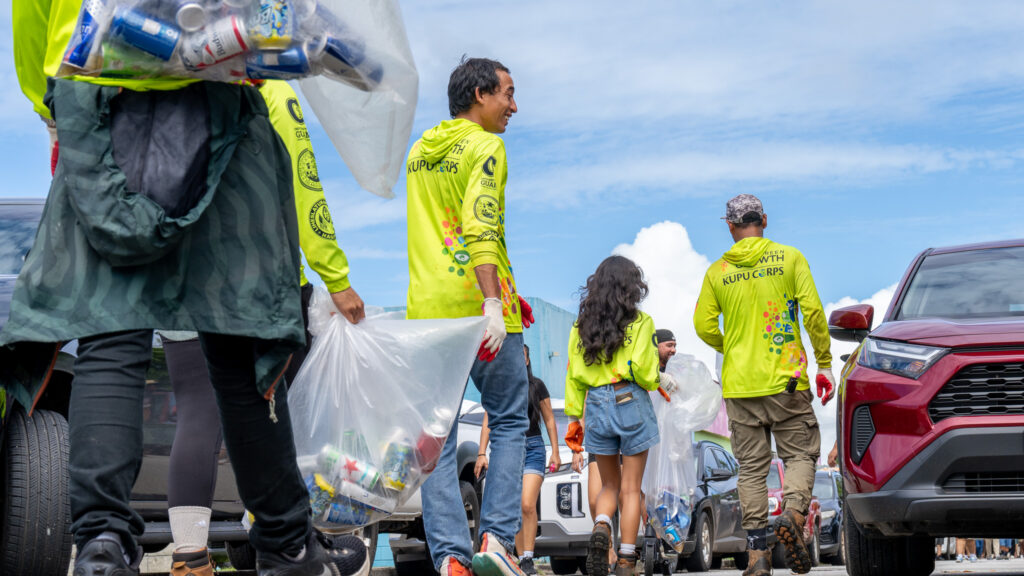
Guam NSF EPSCoR is a catalyst for G3, supporting research and workforce development in STEM fields that feed directly into the initiatives at the G3 Makerspace. With collaborative projects like this one with the UOG School of Engineering, researchers and students transform scientific knowledge into sustainable products and technologies, helping to drive Guam’s green economy forward.

Guam Green Growth reports regional and local initiatives at July meeting

Uncategorized

At the July Guam Green Growth (G3) Steering Committee meeting, members highlighted progress toward the 17 U.N. Sustainable Development Goals—both locally and regionally—including the launch of a new Green Growth hub in Micronesia and a watershed restoration workforce initiative that expands the G3 Conservation Corps. 

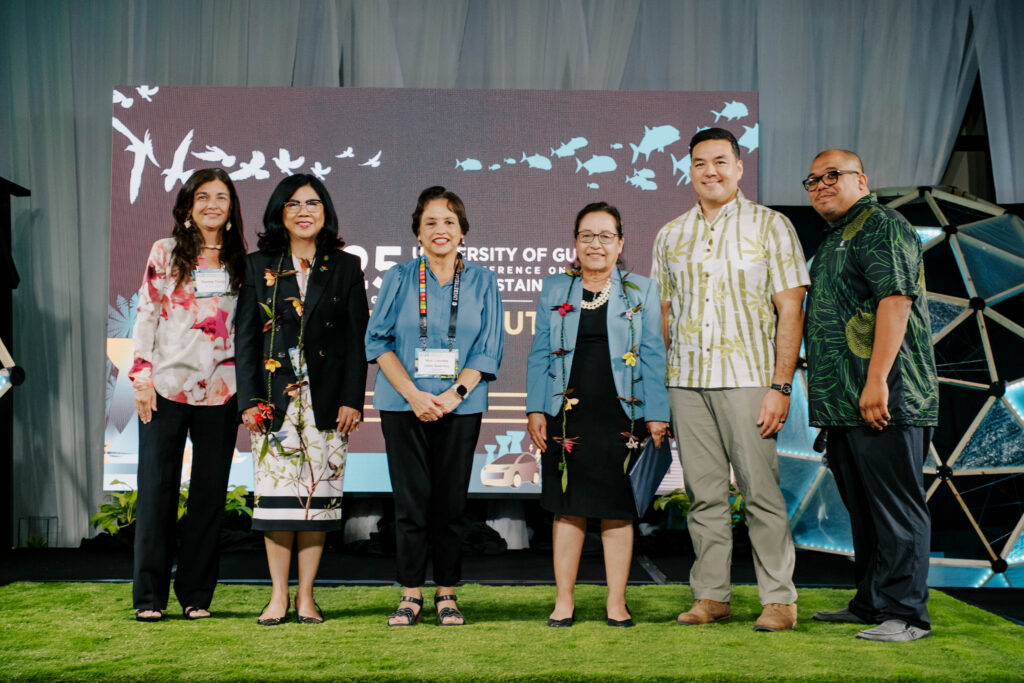
One of the regional highlights described by Austin Shelton, Ph.D., director of the University of Guam Center for Island Sustainability and Sea Grant and co-chair of the G3 Steering Committee, was the launch of the Marshall Islands Green Growth initiative, unveiled during the 27th Micronesian Islands Forum held this month in Majuro. 

Marshall Islands President Hilda Heine, Ed.D., first revealed plans to start their own Green Growth hub back in April. 

“During our conference on Island Sustainability, that the Governor co-chaired with the University of Guam President Enriquez back in April, there was a commitment that President Heine made to launch Green Growth in the Marshall Islands — that is coming to fruition this week and we are really excited for them to build on that,” Shelton said. 

According to Shelton, to lay the foundation for the Marshall Islands’ hub, the G3 team—alongside Hawai‘i Green Growth and the Local2030 Islands Network—has been helping develop their dashboard and supporting grant-writing efforts to establish a circular economy makerspace. 

Another major announcement at the steering committee meeting was the creation of the G3 Guam Restoration of Watersheds (GROW) Corps—a program focused on watershed restoration. During the program, members will work closely with the UOG Sea Grant GROW team and the Guam Department of Agriculture’s (Guam DoAg) Division of Forestry and Soil Resources. “That’s for six months. That’s going to be more jobs and more trained individuals to go into our green workforce,” Shelton said. 

Under the leadership of UOG and the Governor’s Office, G3 working groups also shared local initiatives under different action categories contributing to the UN Sustainable Development Goals. These achievements are integrated into the G3 action framework dashboard to monitor island-wide progress. 

The reports included the following highlights:  

  • Healthy and Prosperous Communities: Guam DoAg helped develop the first regional Pacific Food and Agriculture Strategy through partnerships with the SPC and other island nations. Guam’s Forest System Plan has been adopted and includes the designation of green spaces and conservation areas. The department is now developing rules and regulations to support its implementation. 
  • Educated, Capable, and Compassionate Island: The GCA Trades Academy reported plans to launch the first maritime courses on Guam and to create airline industry training programs. Meanwhile, the working group also reported the groundbreaking of a new campus of the Northern Marianas Technical Institute in Saipan this month. 
  • Sustainable Homes, Utilities, and Transportation: The Guam Energy Office received a $1.5 million Energy Efficiency and Conservation Block Grant for improvements in government-owned buildings. Projects include installing solar panels, outdoor solar LED lighting in selected parks, and working with mayors to identify other public lighting locations. 
  • Sustainable Alliances: Guam has reaffirmed its request for a UN visiting mission during the UN C-24 (Special Committee on Decolonization) Pacific Regional Seminar in March 2025, according to Melvin Won Pat-Borja, executive director of the Guam Commission on Decolonization.  He said the C-24 has adopted a resolution that reflects this request.  
  • Thriving Natural Resources: The GROW team planted over 5,000 trees in Ugum last year, according to Fran Castro, associate director for operations and development at UOG Sea Grant. Also, UOG Sea Grant and Guam DoAg, Division of Aquatic and Wildlife Resources held a series of fisheries stakeholder meetings across the island, where they shared and gathered community feedback on proposed fishery management measures, including size limits, mandatory licensing and catch reporting, ban on the harvesting of atuhong (bumphead parrot fish), ban on commercial sale of six species, and limiting night time spear fishing.  

After the reporting, Shelton acknowledged the efforts of the working groups, saying, “Thank you to all of you, our G3 working group, for all the amazing work that you are doing. It is being tracked in our Guam Green Growth dashboard, and I think the world is really taking notice of that.” 

Shelton also reported that Guam was recently featured by the American Leadership on the SDGs—an initiative led by the UN Foundation and the Brookings Institution’s Center for Sustainable Development that recognizes individuals and communities advancing the 17 UN Sustainable Development Goals. 

Homegrown talent comes back: UOG Navigating Home fellow looks at local solutions at G3 Makerspace

Uncategorized

“For me, being born and raised here as a CHamoru, if the best of us keep leaving the island, we will never be able to solve our own problems,” said Justin Cruz, the newest long-term 12-month fellow of the NSF Navigating Home Early-Career Fellowship Program (Navigating Home), when asked why he returned to Guam.
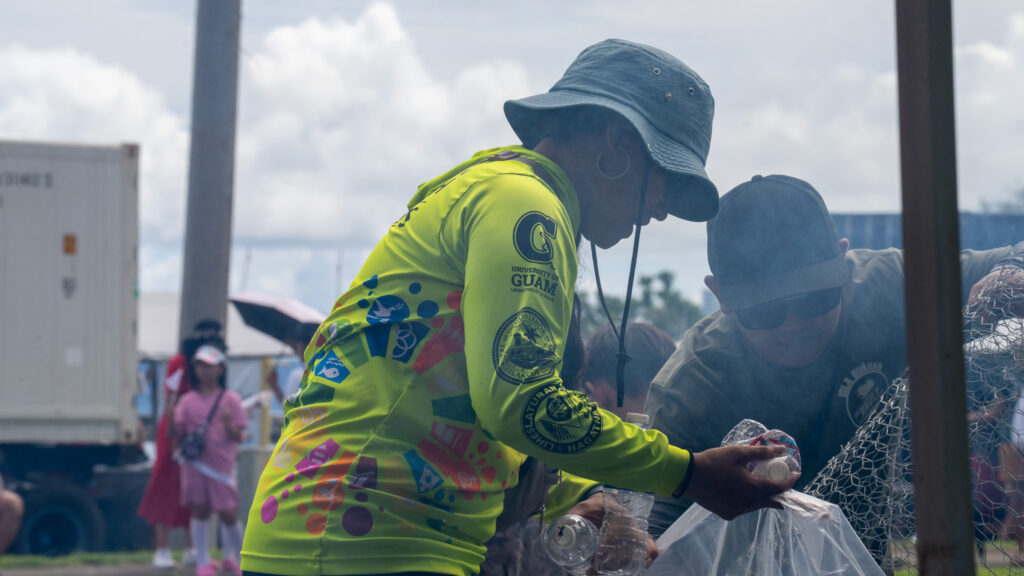
He believes that by returning, he can help address some of the island’s most pressing challenges. Aside from the ongoing issue of brain drain, which weakens the island’s workforce capacity, Cruz also pointed to increasing waste generation, with plastics and other post-consumer products often ending up in the landfill due to limited recycling infrastructure—contributing to environmental strain and missed opportunities for circular economy innovation.
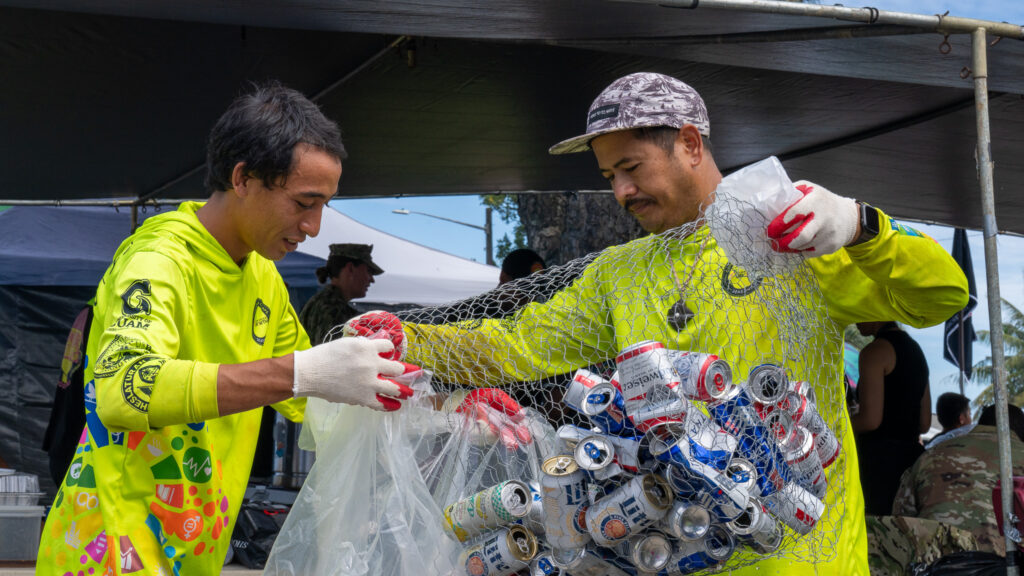
The University of Guam Center for Island Sustainability and Sea Grant, in partnership with the National Science Foundation (NSF) INCLUDES SEAS Islands Alliance, introduced Cruz during a special signing ceremony, following the Guam Green Growth (G3) Steering Committee meeting at the Governor’s Complex in Adelup.

Established in 2023, the NSF Navigating Home program is designed to reduce brain drain by encouraging the return of skilled STEM (science, technology, engineering, and mathematics) professionals to their home island of Guam, Puerto Rico, or U.S. Virgin Islands. Program participants must have degrees in marine, environmental, or sustainability sciences and may have left their home territories for education or work.

Cruz joined the program and was placed as a fellow with the G3 Circular Economy Makerspace and Innovation Hub, where he had previously worked from 2023 to 2024.

Before returning to Guam, Cruz spent time in California, in 2024, where he took robotics classes at the Universal Technical Institute and later gained CNC machining skills at the NTMA Machinist School. 

He said that CNC machining skills could help foster small-scale manufacturing capabilities on island. “We can help them get the skill set here,” Cruz said, referring to residents interested in launching product-based businesses.

CNC, or computer numerical control, automates the manufacturing process using pre-programmed software to carry out precise tasks—turning materials such as metals, plastics, and wood into finished products. The G3 Makerspace currently houses a set of CNC machines, the only ones on the island. 

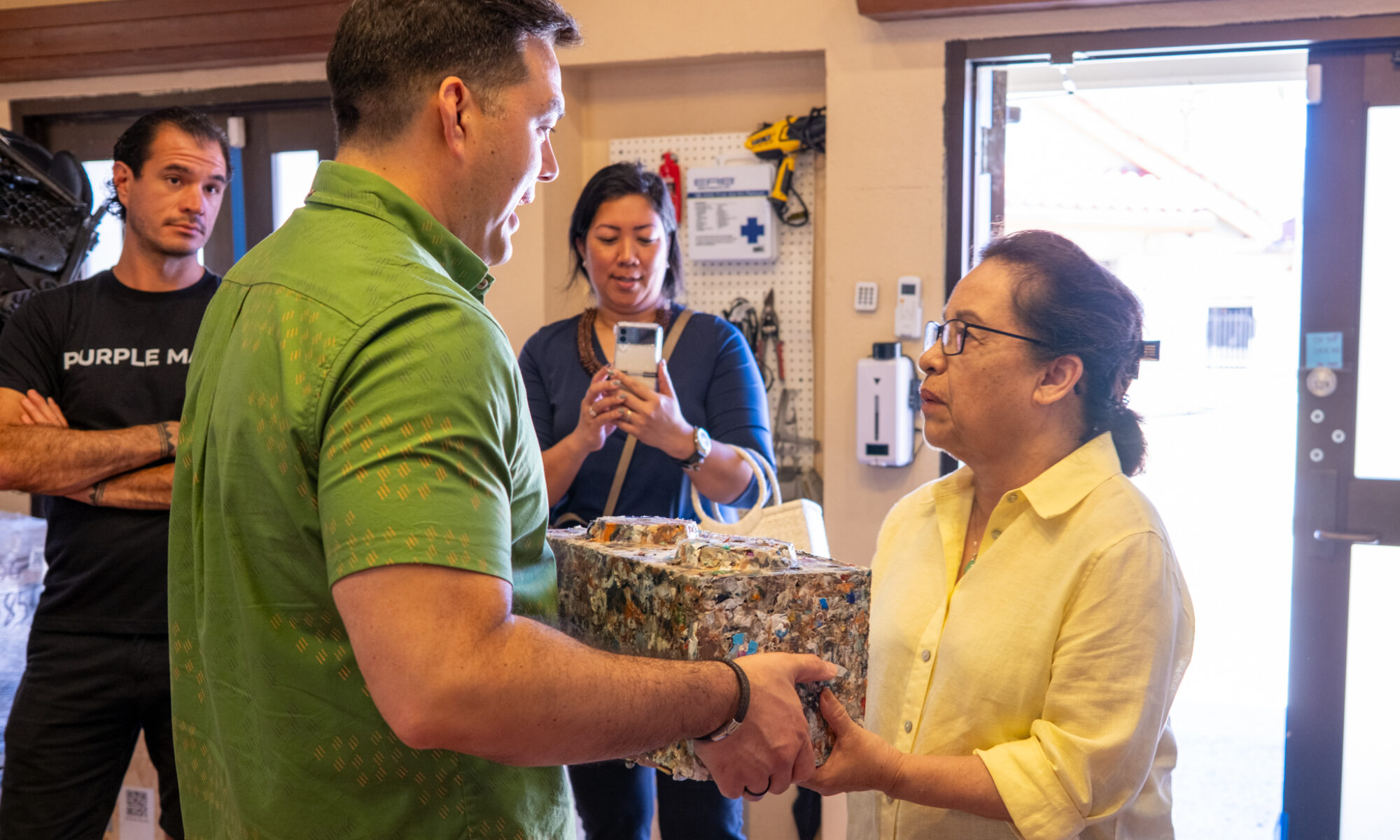
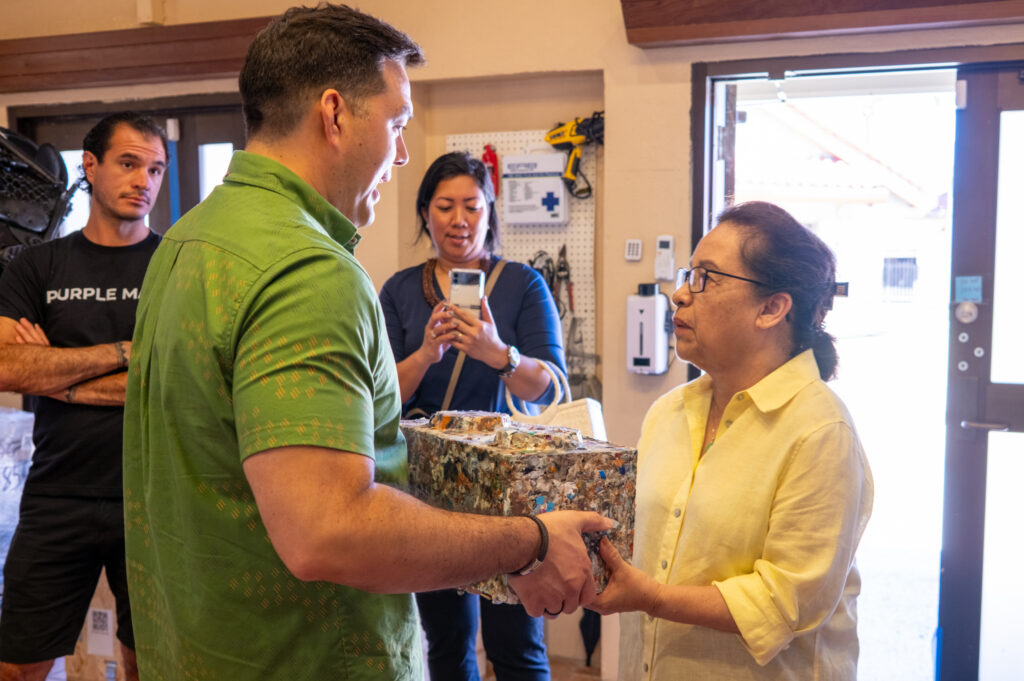
During the ceremony, Cruz showcased several products he created at the G3 Makerspace recycling plastic and developing it into a flat-pack stool prototype and student desk. The desk’s plastic top, made from a discarded COVID-19 pandemic sneeze guard, can also be used as a dry-erase board. The materials were sourced from Cruz’s former school, Maria A. Ulloa Elementary in Dededo.

Born and raised on Guam, Cruz noted that his time off-island helped him recognize the importance of returning. “Of course, we needed to bring all the knowledge home so that we could fix it ourselves,” he said. “I guess you could say with my certificate and everything I learned, it was too easy to go to the States, get another job that could possibly provide a better life for me and my family. But if we don’t fix it ourselves, it will never be fixed. It is the way I see it.”

“Through past National Science Foundation grants, we created over 250 student research opportunities that never existed before in Guam,” said Austin Shelton, Ph.D., director of the UOG Center for Island Sustainability and Sea Grant. “After getting top-notch training at UOG, some of these students are now completing advanced degrees off-island, so we created the Navigating Home to bring them back to Guam on one-way tickets to enter our workforce.”

Acting UOG President Sharleen Santos-Bamba added, “The University of Guam is always very fortunate to have talented individuals work with us and to foster relationships and collaborations across the island and the region. It’s opportunities like this that allow us to plug up the brain drain. Those of us around the table made the decision to stay home and plug up that drain. And now it’s our chance to bring our talent back to Guam.” 

NSF Navigating Home is currently recruiting short-term fellows to return to Guam for a three-month term.  The fellowship will include round-trip airfare to Guam, a stipend of up to $7,000, and a chance to develop your skills and explore career fields with a host agency within UOG or GovGuam. Interested applicants can email Axel Defngin at defngina@triton.uog.edu for more information.  

UOG surveys shows strong support for ocean renewable energy

Uncategorized

A recent survey conducted by the University of Guam’s Center for Island Sustainability and Sea Grant (UOG CIS & Sea Grant) indicates strong support among Guam residents toward developing ocean renewable energy.

The survey explored public perception across various ocean renewable energy technologies. A significant majority of respondents expressed support for their development in Guam:

·       Wave Energy: 72.65% would support its development.

·       Tidal Energy: 67.57% would support its development.

·       Marine Current Energy: 67.35% would support its development.

·       Offshore Wind Energy: 64.08% would support its development.

·       Ocean Thermal Energy Conversion (OTEC): 57.6% would support its development, though this technology had the                    lowest prior awareness among those surveyed (26.44%).

While awareness of these technologies varied, with wave energy being the most recognized (46.62% had heard of it prior to the survey) and OTEC the least, the support levels remain consistently high.

“While we continue to explore the sustainable growth of our island and the responsible management of the resources we have available to us, it is important to listen and understand how our community feels about another potential form of energy being available,” said UOG CIS & Sea Grant Director Austin Shelton, Ph.D. “There is a great amount of support for the exploration of ocean renewable energy and we look forward to continuing research into these innovative solutions for a sustainable future.”

Beyond specific technologies, the survey highlighted a general positive sentiment towards ocean renewable energy with 75.12% of respondents saying they either “Agree” or “Strongly Agree” that they are in favor of developing ocean renewable energy as a renewable source for Guam. 80.19% said that overall, they support ocean renewable energy and 78.26% feel that its development in Guam is a worthwhile pursuit.

According to the results, respondents also foresee several benefits from the development of ocean renewable energy including 71.04% who believe it can reduce carbon emissions if implemented commercially, 77.04% feel it can increase local understanding of environmental and energy issues, 79.65% believe it will create jobs in Guam and 69.4% believe it will help lower electricity prices for residents.

Despite the strong support, some concerns were also noted.

Many were concerned of the impact ocean energy infrastructure would have on the ocean wildlife populations around Guam. 26.51% believe it will change ocean currents enough to harm ocean life. 16.71% feel it’s not a good use of taxpayer money and 36.36% agreed or strongly agreed that infrastructure could lead to the disruption of fishing practices, and 45.08% believe it will lead to limiting access to fishing areas.

The survey was funded through a grant from the National Oceanic and Atmospheric Administration and the National Sea Grant College Program and was conducted through partnerships with the United States Department of Energy’s Water Power Technologies Office and the Pacific Northwest National Laboratory (PNNL).

The survey was conducted digitally between August and December 2024 and included responses from a sample of 552 Guam residents across all genders and demographics.

The findings suggest a promising environment for ocean renewable energy development on Guam, with strong public support driven by perceived environmental and economic benefits, alongside an awareness of potential challenges.

UOG CIS & Sea Grant launch second cohort of Community Backyard Aquaponics Systems program, expanding food security efforts

Uncategorized

The University of Guam Center for Island Sustainability and Sea Grant (UOG CIS & Sea Grant) is proud to announce the launch of its second cohort for the highly successful Community Backyard Aquaponics Systems (CBAS) program.

Building on the achievements of the inaugural group, this expansion will introduce additional aquaponics systems into homes across Guam, significantly bolstering the island’s journey towards greater food security and sustainable living.

The first cohort of the program proved to be a success, helping families and individuals to cultivate their own fresh produce and protein right in their backyards. Participants learned the innovative technique of aquaponics, which combines aquaculture (raising aquatic animals like fish) with hydroponics (growing plants without soil) in a symbiotic environment. This method not only conserves water but also provides a sustainable source of nutritious food.

“The success of our first CBAS cohort laid a strong foundation, and we are looking forward to welcoming a larger second cohort into the program. This expansion is another important step forward to increase food security across our island communities,” said UOG CIS & Sea Grant Director Austin Shelton, Ph.D.

With the second cohort, the program will distribute an additional 40 aquaponics systems, providing comprehensive training and ongoing support to new participants. This expansion is a direct response to the community’s demand and the proven effectiveness of the initiative in promoting self-sufficiency and sustainable practices.

“We are really excited at the reception of the first round of the CBAS program,” said UOG CIS & Sea Grant aquaculture specialist David Crisostomo, who heads the program. “Being able to provide this opportunity to the community and our people is something that can benefit future generations with food security.”

As a part of the program, selected applicants must attend mandatory training sessions to be qualified to receive the systems and will receive support from the UOG CIS & Sea Grant aquaculture team following the installation of the systems.  The individual systems are valued at $3500.00 and will be given to qualified recipients at no cost through support from the Office of the Governor.

Applications and program details are available online at uog.edu/seagrant or by contacting Crisostomo at (671) 727-5655 or via email at crisostomod8562@triton.uog.edu.

Deadline to apply for this cohort is July 7, 2025. 

UOG’s Taylor dives deep with new rabbitfish book

Uncategorized

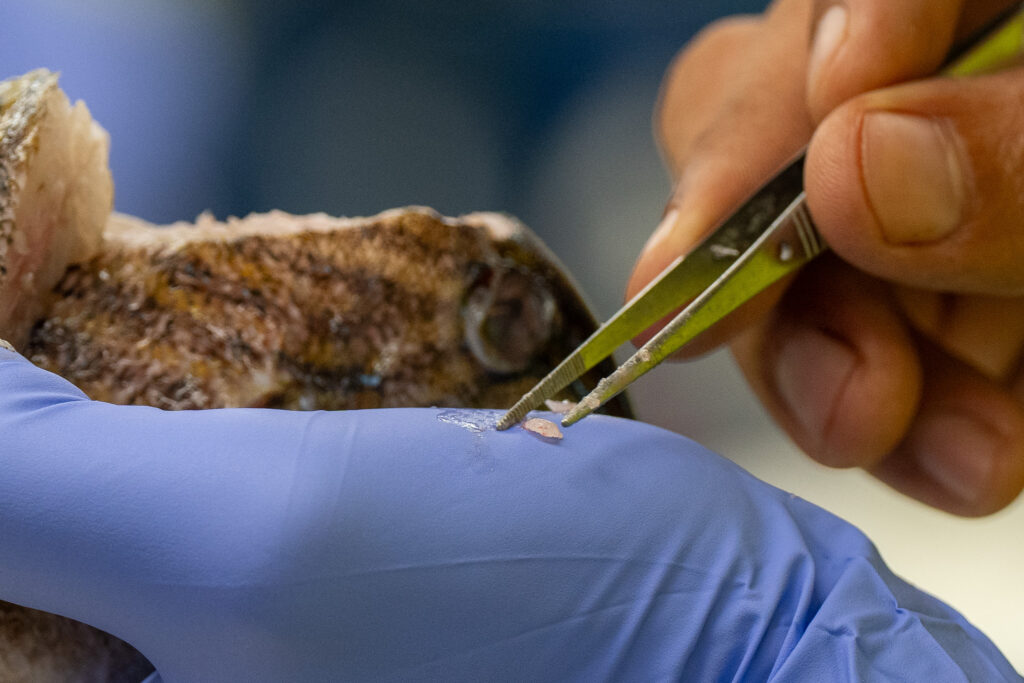
The University of Guam (UOG) is proud to announce the release of Biology of Rabbitfishes, a comprehensive volume exploring the evolutionary history, ecological roles, and economic significance of rabbitfishes (family Siganidae). 

The book, edited by UOG assistant professor Brett Taylor Ph.D. and Andrew Hoey Ph.D., brings together cutting-edge research on this fascinating group of reef fish that hold cultural significance to the people of Guam.

In its juvenile form, the rabbitfish, or mañahåk, have been harvested for thousands of years off the coasts of Guam and are a favorite in CHamoru cuisine.   

According to Taylor, a leading expert on the biology of tropical reef fishes and coastal fisheries, who serves out of the UOG Center for Island Sustainability and Sea Grant along with the UOG Marine Laboratory, this volume provides in-depth analyses of rabbitfish life histories, fisheries, and aquaculture, with a particular emphasis on the unique ways these fish have been collected in Guam.

“Rabbitfishes play an important role in tropical marine ecosystems and have historically been an important fisheries resource,” said Taylor. “This book sheds light on their ecological versatility, their capacity to adapt to changing environments, and their significance in sustainable fisheries and aquaculture.”

With more than 29 recognized species distributed across the Indian and Pacific Oceans—and more recently in the Mediterranean Sea—rabbitfishes have garnered increasing scientific attention for their ability to thrive in diverse habitats.

The research featured in Biology of Rabbitfishes underscores the significance of these species in coastal ecosystems, particularly in regions like Guam, and how their rapid life cycle and adaptability make them a potentially valuable resource for sustainable fisheries and aquaculture.

Biology of Rabbitfishes will serve as a key reference for marine biologists and fish scientists and is published by CRC Press of the Taylor & Francis Group and is available in print or eBook format at https://www.routledge.com/Biology-of-Rabbitfishes/Hoey-Taylor/p/book/9781032216492.

UOG’s Shelton profiled for SDG leadership by UN initiative

Uncategorized

The American Leadership on the SDGs, a United Nations initiative, has featured University of Guam Center for Island Sustainability and Sea Grant Director Austin Shelton, Ph.D., for his work in advancing the 17 UN Sustainable Development Goals.

The American Leadership on the SDGs is a joint effort by the United Nations Foundation and the Center for Sustainable Development at the Brookings Institution. This initiative highlights the often-overlooked achievements of individuals and communities working towards critical global goals, while also equipping them with resources to amplify their impact.

“It’s an honor to be featured in American Leadership on the SDGs. There are hundreds of collective sustainability actions tracked on the Guam Green Growth Dashboard and people around the world are taking notice. I am thankful to the dozens of G3 Working Group members and partners who are accelerating local action for global impact and really making a big difference for our sustainable future,” Shelton said.

In the feature by Megan Rabbitt of the United Nations Foundation, Shelton describes how his commitment to sustainability began. Growing up, he witnessed the decline of the island’s coral reefs.

“Around the time I was in high school, I noticed that the corals just weren’t as colorful and bright anymore,” he said. “I wasn’t catching the same size and quality of fish as I used to.”

After completing his doctorate, Shelton pursued a career as a marine and environmental scientist, returning to the island to lead the UOG Center for Island Sustainability and Sea Grant. He soon realized that traditional marine conservation wasn’t enough. The 17 UN Sustainable Development Goals (SDGs) offered a comprehensive framework for the interconnected challenges facing islands like Guam. Shelton emphasizes that “sustainability is key to all of the actions we need to take,” linking ocean health (SDG 14) to land use (SDG 15) and climate action (SDG 13).

The feature also described Shelton’s contribution to Guam becoming a founding member of the Local2030 Islands Network in 2019. This network provides an island-led, peer-to-peer platform to advance SDG progress, which eventually led to the launch of Guam Green Growth, or G3. According to Shelton, G3 was inspired by the work done by Hawaiʻi Green Growth. 

G3 has spearheaded numerous sustainability projects, Shelton mentioned in the feature that he is particularly proud of their work on strengthening the circular economy and establishing Guam as a makerspace and innovation hub. The feature also mentioned G3’s investment in the next generation through the Conservation Corps program, training participants in various fields from agriculture to renewable energy.

Furthermore, the feature detailed how G3’s success has led to the launch of similar initiatives in Palau and the Commonwealth of the Northern Mariana Islands. The Marshall Islands are also slated to launch their program in this month.

“This recognition is important for Guam and other territories who are striving for sustainability against unique challenges, as it validates our efforts and amplifies our voice on a broader stage,” he added.

For more information on Guam Green Growth and the SDG work on Guam visit guamgreengrowth.org today.

Mendiola ready to make sustainable impact after term as UOG CIS and Sea Grant intern

Uncategorized

Zachary Mendiola, a dedicated student intern from the University of Guam Center for Island Sustainability and Sea Grant, has spent the past five months making a significant impact at the Guam Green Growth (G3) Circular Economy Makerspace and Innovation Hub. His transformative experience at the cutting-edge facility has not only honed his skills in sustainable practices but also solidified his passion for environmental stewardship on Guam.

During his internship, Mendiola gained invaluable hands-on experience in the burgeoning field of circular economy. He delved deep into the principles of repurposing materials, witnessing firsthand how discarded items can be given new life. “Over the past five months, I have had the valuable opportunity to delve into the principles of sustainability and appreciate the significance of repurposing materials that might otherwise be discarded,” Mendiola shared in his reflection. “This experience has been truly transformative, positively influencing both my character and my outlook on sustainability.”

A key aspect of Mendiola’s work involved learning and utilizing industrial machines, including three-phase shredders and extruders that melt plastic into molds for lumber substitutes. He became proficient in the meticulous process of plastic sorting, understanding why different plastic types cannot always be fused together due to their unique properties. Beyond industrial processes, Mendiola also embraced traditional crafts like sewing and weaving, discovering diverse ways to transform waste. He highlighted plastic fusing as a particularly impactful technique: “Plastic fusing put both creativity with each design and taught us about the properties of certain plastic together.”

Mendiola also had the enriching opportunity to attend his first-ever Conference on Island Sustainability (CIS), where he connected with global innovators dedicated to a cleaner planet. While acknowledging challenges such as the tedious nature of plastic sorting and limited storage space, Mendiola’s perseverance ensured these hurdles were overcome, leading to substantial progress in managing collected plastics.

Reflecting on his journey, Mendiola expressed an overwhelming desire to continue his involvement. “If I were ever asked whether I’d return to work for G3, my answer would be a resounding yes,” he stated. “Knowing that from the start of my time in December, we’ve removed thousands upon thousands of plastic items from our ecosystems and landfills. This is a powerful reminder of the impact we’ve made. G3 has proven that, as an island community, we have the power to shape a more sustainable future—one bottle at a time. It’s innovation in action, and I’m proud to have been a part of it.”

Mendiola’s successful internship at the G3 Makerspace exemplifies the University of Guam’s commitment to providing students with practical, impactful experiences that contribute directly to the island’s sustainable development goals.

Skip to content